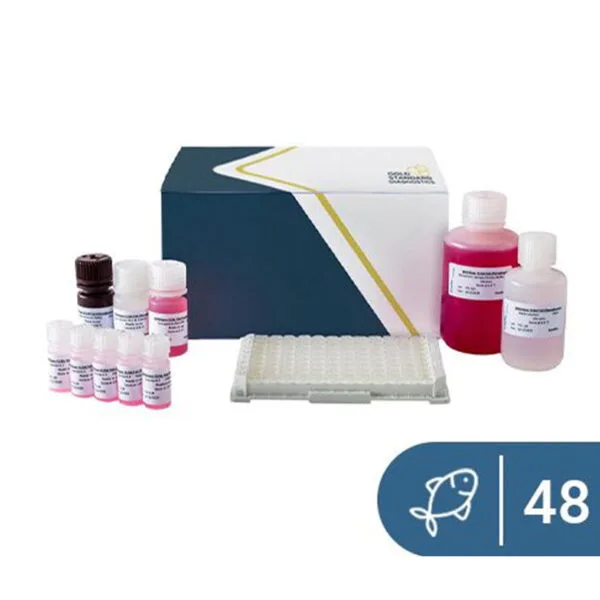
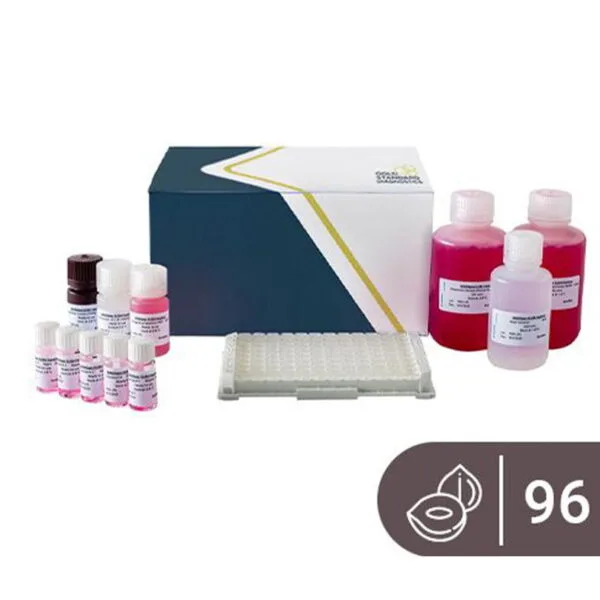
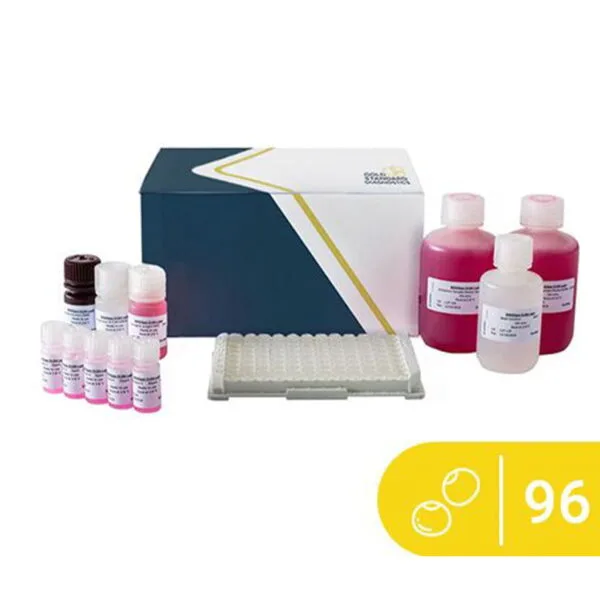
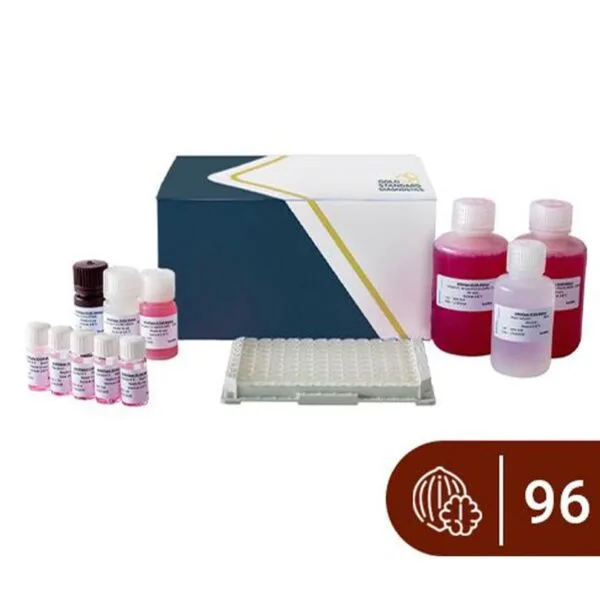
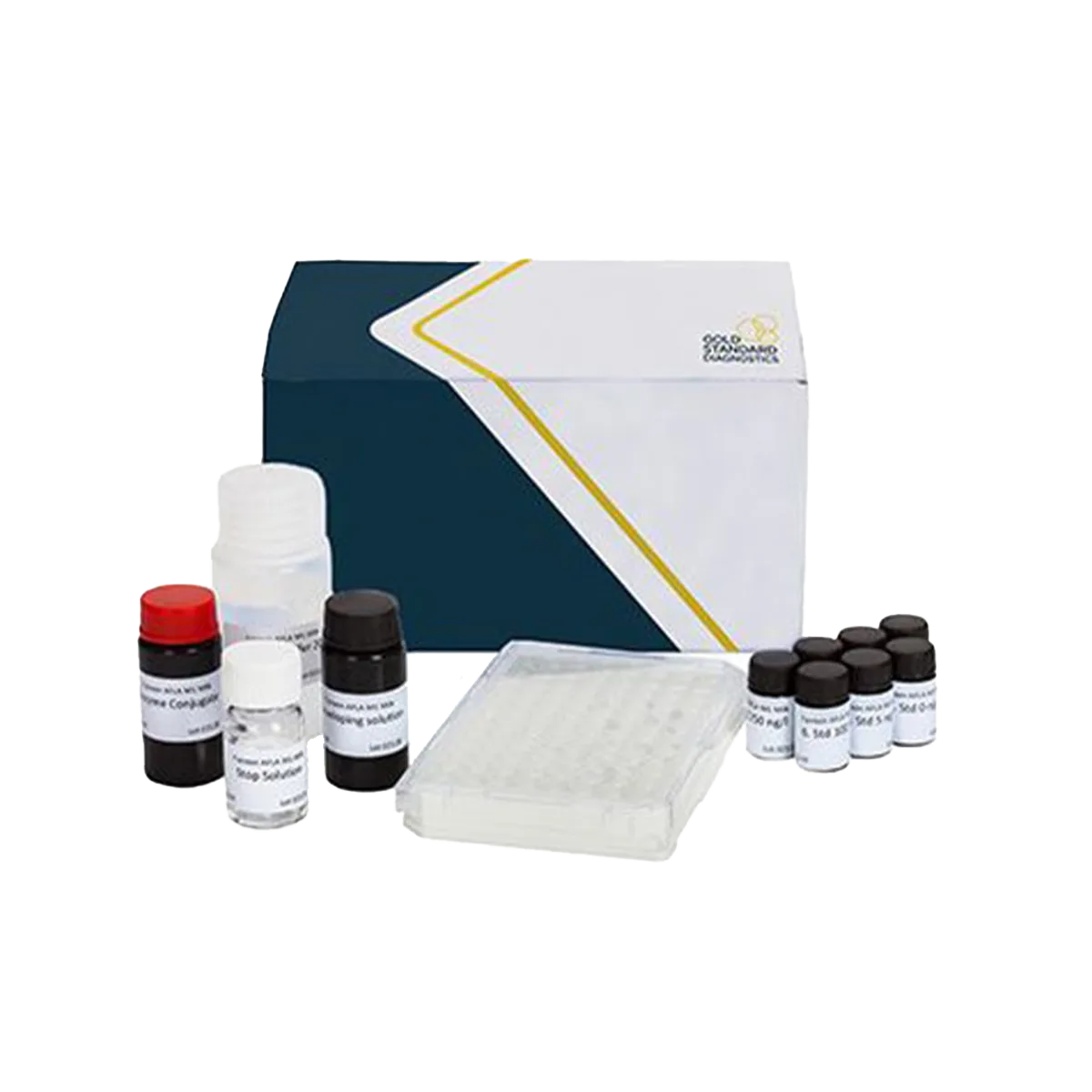
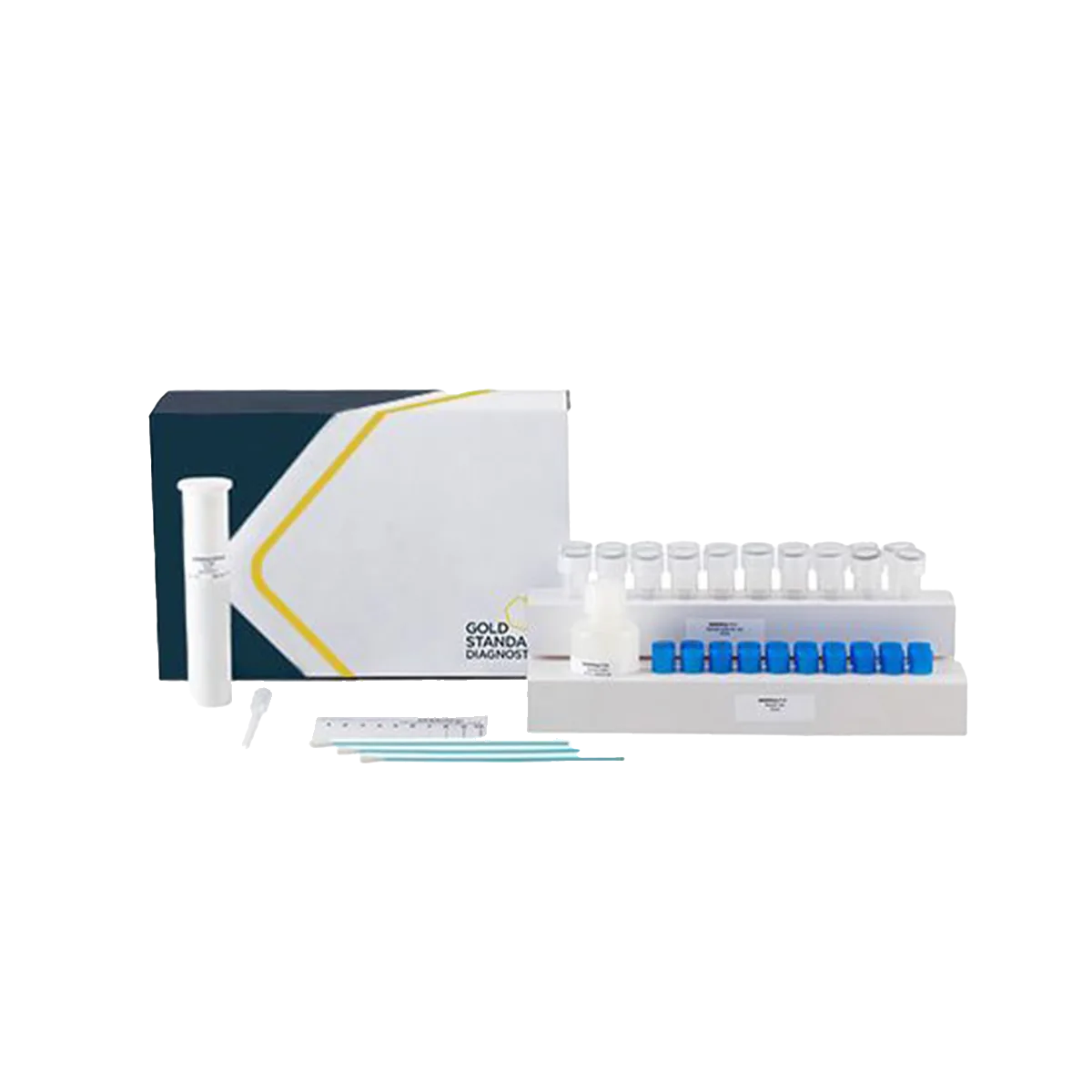
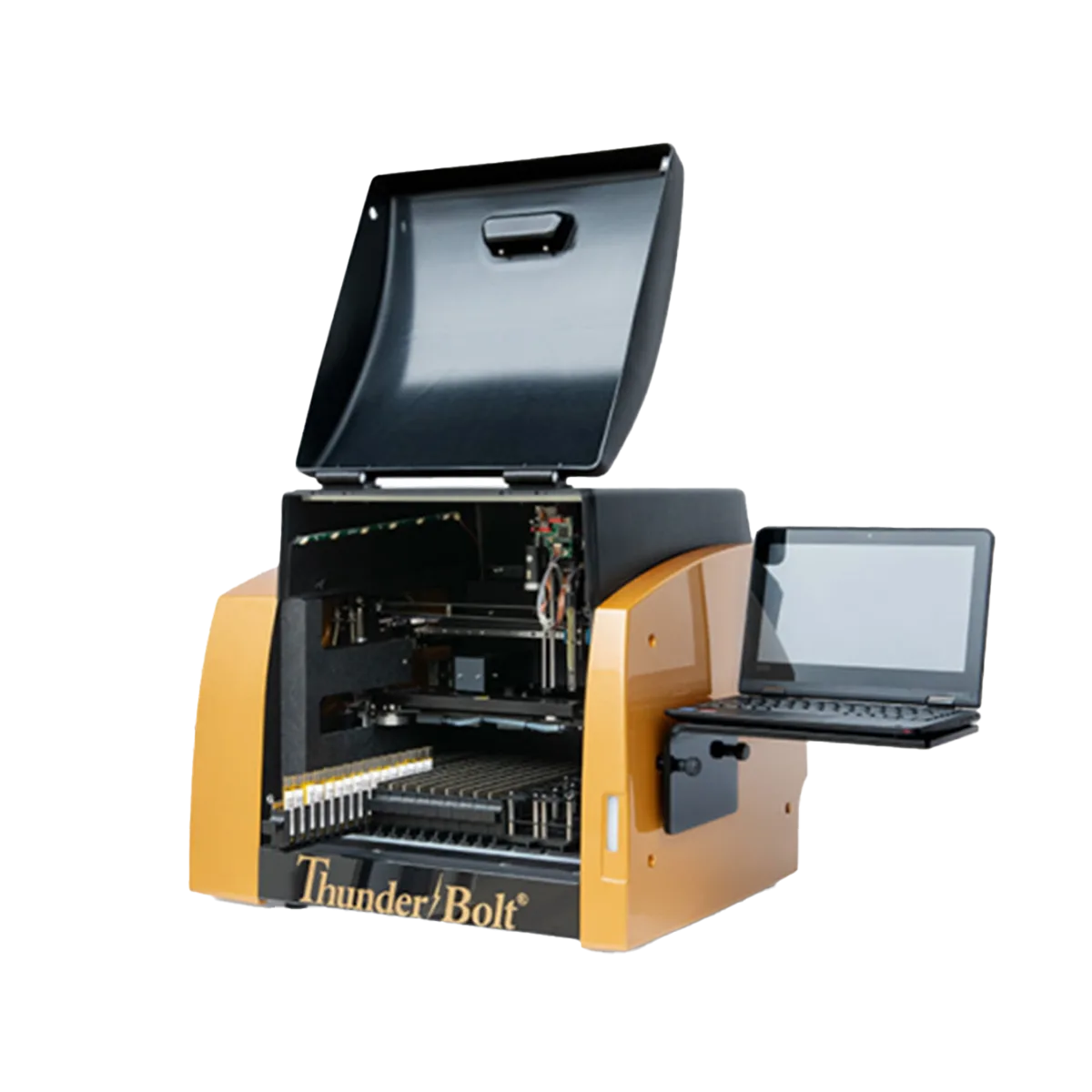
The SENSISpec Milk ELISA kit represents a highly sensitive detection system for milk proteins, based on NIST 1549 reference material. The assay is capable of quantifying casein and ß-lactoglobulin residues in food matrices and has been validated for bread, crackers, sausage, orange juice, wine, soy products, and chocolate. Testing has been validated on The BoltTM automated ELISA system. Bovine milk is one of the most critical allergenic food components, particularly for children. Even minimal quantities of bovine milk can trigger allergic reactions and may cause anaphylactic shock in severe cases. Therefore, individuals with milk allergy must strictly avoid milk and milk-containing products. Hidden milk proteins in sausages, bread, ready-made meals, and beverages present critical concerns for milk-allergic individuals. In accordance with EU Directive 2003/89/EG, milk additions must be clearly labeled on product declarations.
Technical Specifications
| Stock Code |
HU0030014 |
| Test Principle |
Sandwich enzyme immunological assay |
| Format |
Microtiter plate |
| Incubation Time |
60 minutes (20/20/20 minutes) |
| Standards |
0; 0.4; 1; 4; 10 ppm milk protein |
| Detection Wavelength |
450 nm (HRP + TMB) |
| Limit of Detection (LOD) |
0.05 ppm |
| Quantitation Range |
0.4–10 ppm |
| Cross-reactivity |
None |
| Shelf Life |
13 months |
| Storage Temperature |
2–8°C |
Applications
- Food allergen screening in processed products
- Milk protein residue quantification in bakery items
- Beverage quality control and allergen verification
- Sausage and meat product allergen testing
- Regulatory compliance testing per EU Directive 2003/89/EG
- Chocolate and confectionery allergen analysis
- Automated high-throughput allergen testing workflows
Frequently Asked Questions
What is the detection principle used in this ELISA kit?
The SENSISpec Milk ELISA uses a sandwich enzyme immunoassay principle. Capture antibodies immobilize milk proteins on the microtiter plate, detection antibodies conjugated with horseradish peroxidase (HRP) bind to the complex, and TMB substrate produces a colorimetric signal measured at 450 nm.
What food matrices has this kit been validated for?
The assay has been validated for bread, crackers, sausage, orange juice, wine, soy products, and chocolate. However, performance in other food matrices should be verified by the user.
What is the clinical significance of the 0.05 ppm detection limit?
The 0.05 ppm limit of detection is sufficiently sensitive to detect milk proteins at levels relevant for allergenic risk assessment, enabling identification of hidden milk contamination in processed foods critical for patient safety.
Is this kit compatible with automated ELISA systems?
Yes, the assay has been validated on The BoltTM automated ELISA system, enabling high-throughput screening and reducing manual handling variability.
What is the turnaround time for a complete assay?
The total incubation time is 60 minutes with a protocol of 20/20/20 minutes for the three main incubation steps, allowing results within approximately 2–3 hours including plate preparation and reading.
Does this kit show cross-reactivity with other allergens?
No cross-reactivity has been documented, ensuring specificity for milk protein detection without interference from other common food allergens.
How should the kit be stored?
Store all kit components at 2–8°C (refrigerated). With proper storage, the kit maintains its performance for 13 months from the manufacturing date. Avoid freeze-thaw cycles.







 Dehidre Medyalar
 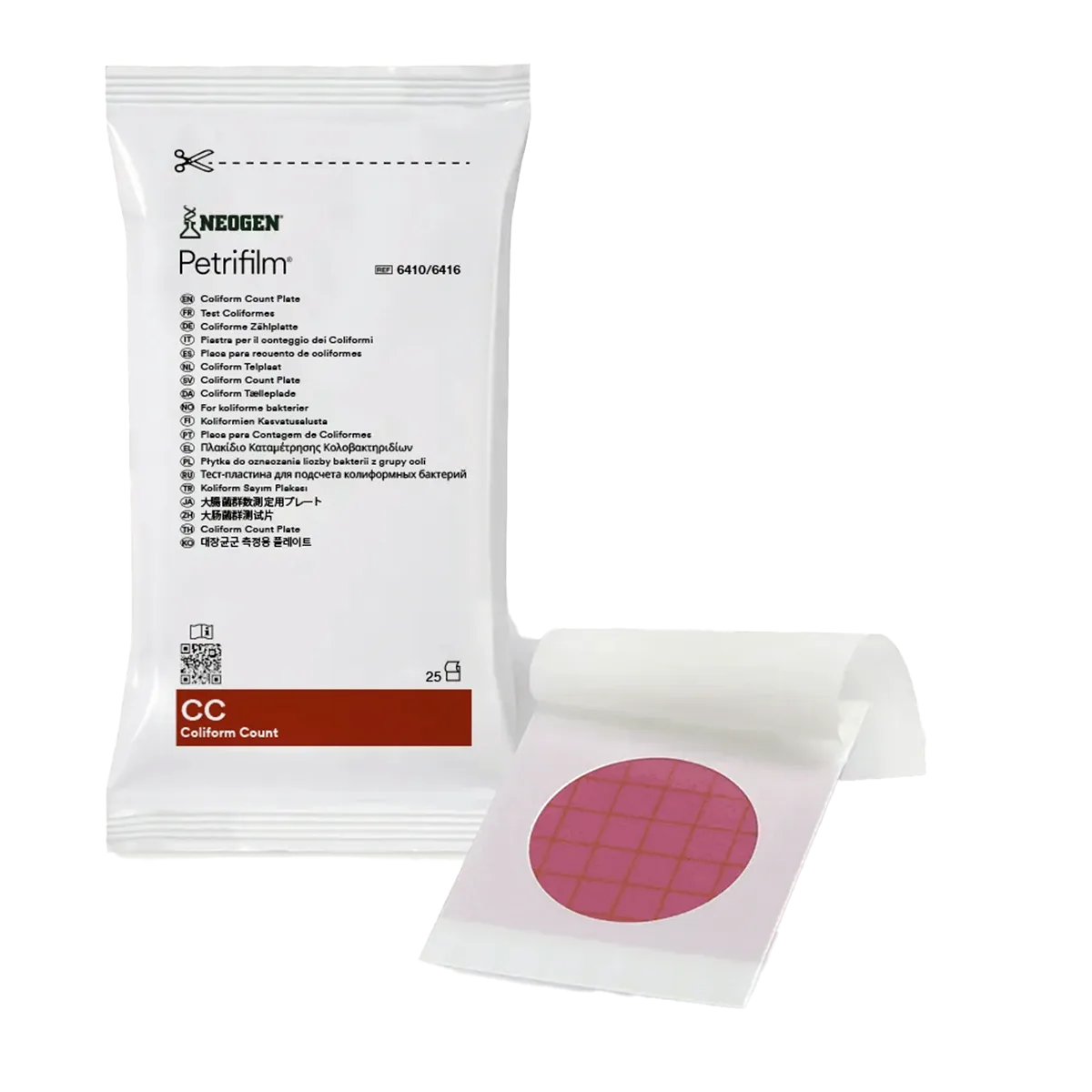 Petrifilm Hazır Besi Yerleri
 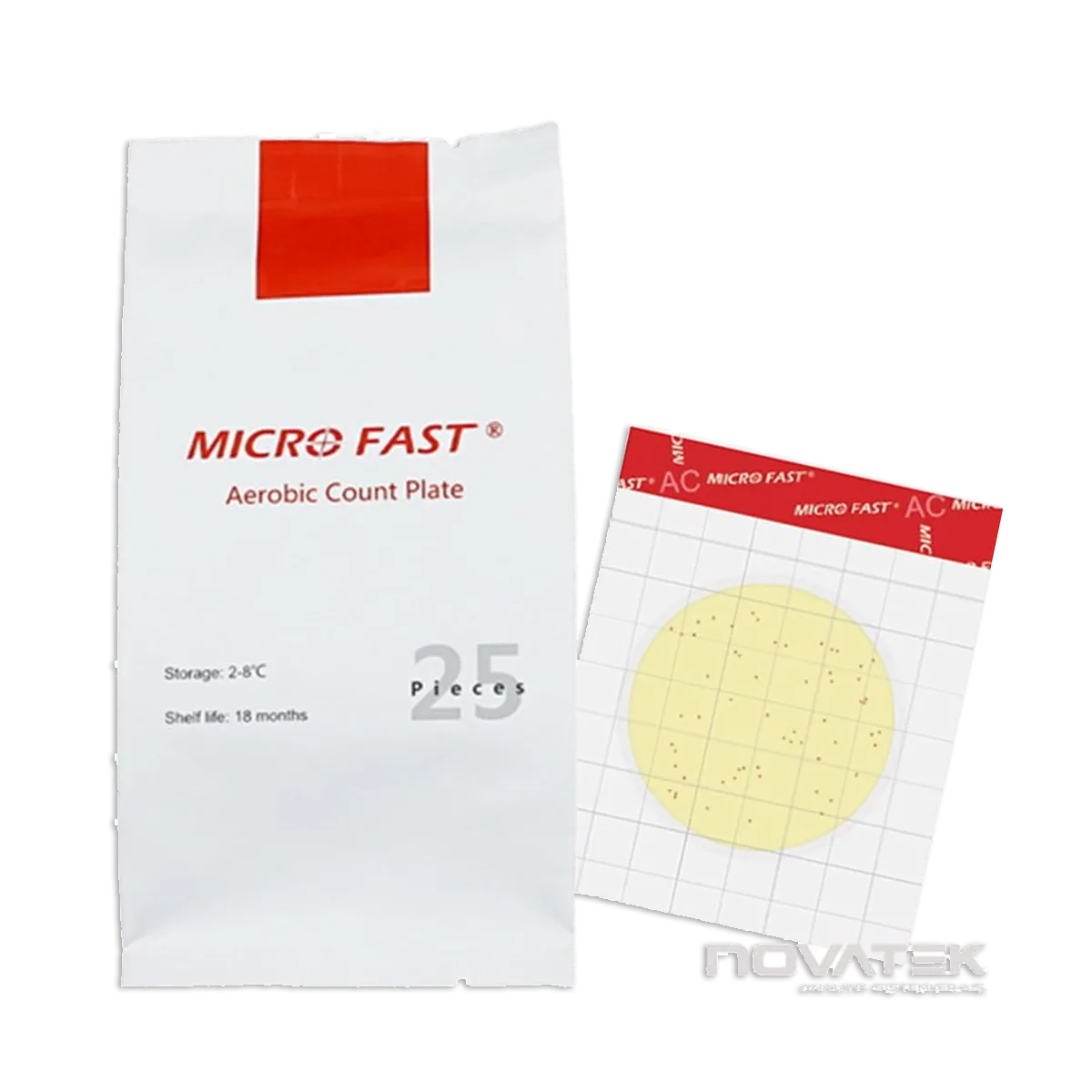 MicroFast Hazır Besi Yerleri
  Xebios Diagnostics Hazır Besi Yerleri
  Mikrobiyolojik Hızlı Testler
  Hava Örnekleme Cihazı
  Numune Homojenizasyon Cihazları
  Numune Torbaları
  Otomatik Dilüsyon Hazırlama Üniteleri
  Steril Dilüsyon Çözeltileri ve Özel Swab Sistemleri
  Membran Filtrasyon Sistemi
  Vorteks Mikser
  İnkübatör
  Fanlı İnkübatör
  Soğutmalı İnkübatör
  Peltier İnkübatör
  CO2 İnkübatör
  BOI inkübatör
  Koloni Sayım Cihazları
  Patojen ve Toksin Test Kitleri
  Real Time PCR
 Hijyen Kontrol ve İzleme Sistemleri
  Otomatik Besiyeri Dolum Üniteleri
  Otomatik Besiyeri Hazırlama Üniteleri
  Bunzen Beki
  Otoklav
  Sıcaklık - Sterilizasyon Kontrol İndikatörleri
  UV Sterilizasyon Lambaları
  Laminar Akış Kabinleri
  Tip I Biyogüvenlik Kabinleri (BSL-1)
  Elektronik pipetler
  Otomatik pipetler
  Petri Kapları ve diğer sarflar

 Aflatoksin - Strip Testler
  Aflatoksin - Elisa Kitler
  Aflatoksin Immuno Affinity Kolon
  Katı Mikotoksin Standartları
  Alerjen - Strip Testler
  Alerjen - Elisa Kitler
  GDO - Strip Testler
  GDO - Elisa Kitler
  GDO PCR Kitleri
  GDO Sarf Malzemeler
  Antibiyotik Test Kiti
  Özel Kabinler
  Sitotoksik Güvenlik Kabinleri
  AFG Scientific
  Enzim
Enzim  Kimyasallar
  Hücre Kültürü
  Nükleik Asit Saflaştırma
  PCR
PCR  Western Blotting
  Biyokimya Analizörleri
  Elisa Plate Okuyucular
  Elisa Plate Yıkayıcılar
  Covid 19 testleri
  Kalibrasyon Standartları ve Çözeltileri
  ChemWell ichem Kitleri
  Örnek Saklama Kutuları ve Kapları
 Ambalaj İçerisinden Gaz Analizleri (MAP)
  Anne Sütü Analiz Cihazı
  Çikolata Temperleme Ölçüm Cihazı
  Fotometre Cihazları
  Kızartma yağı testleri
 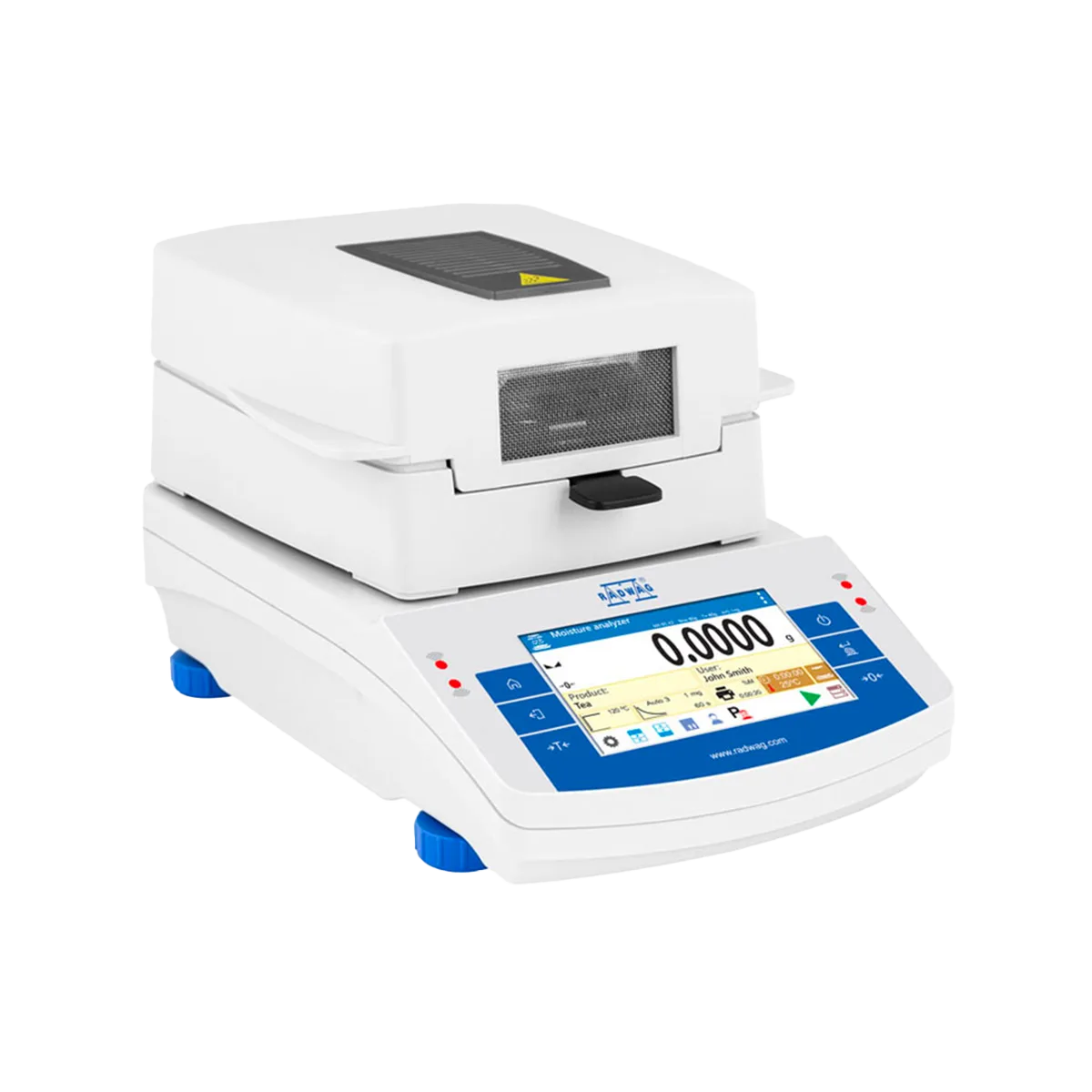 Nem Ölçüm Cihazları
 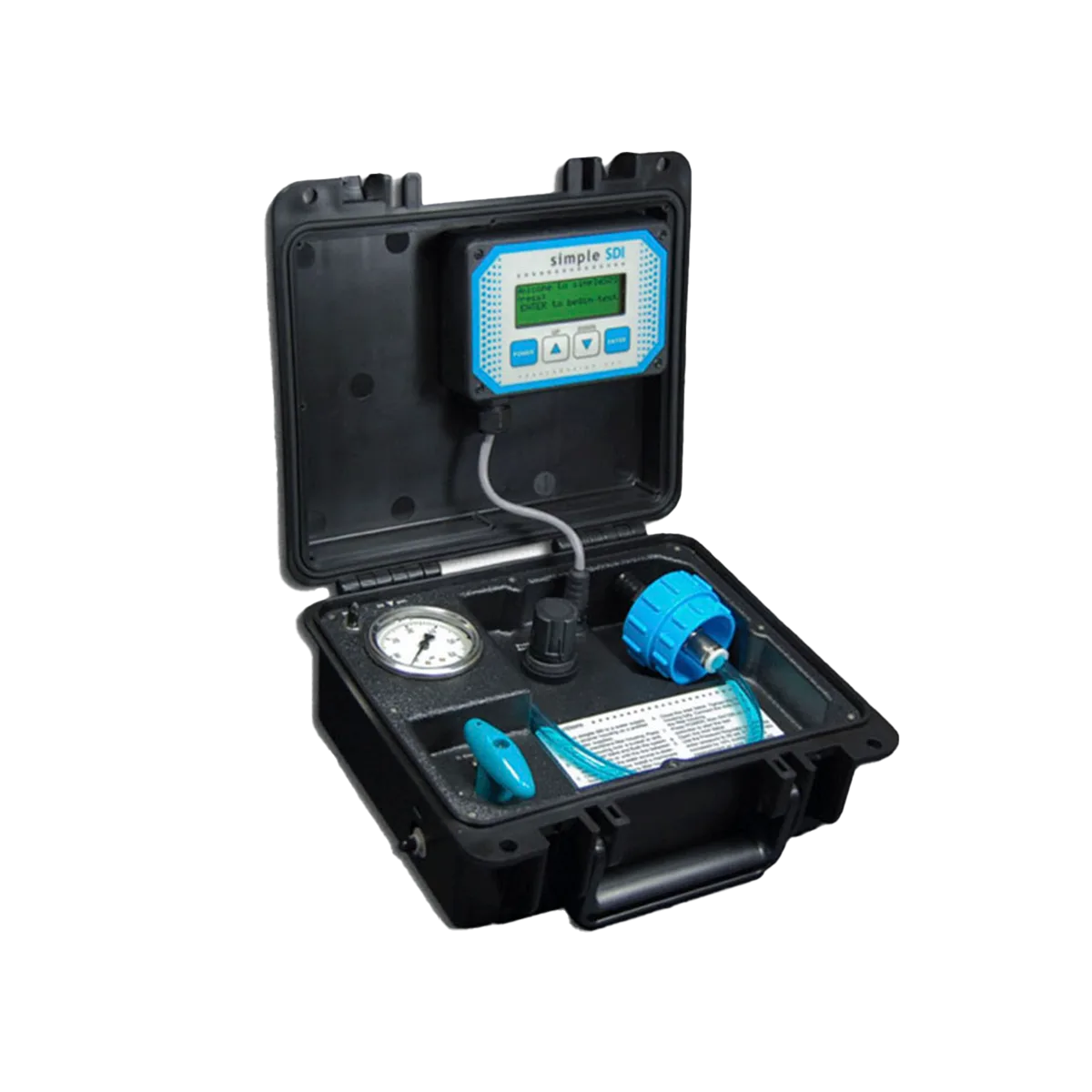 Silt Yoğunluk İndeksi (SDI) Test Cihazları
 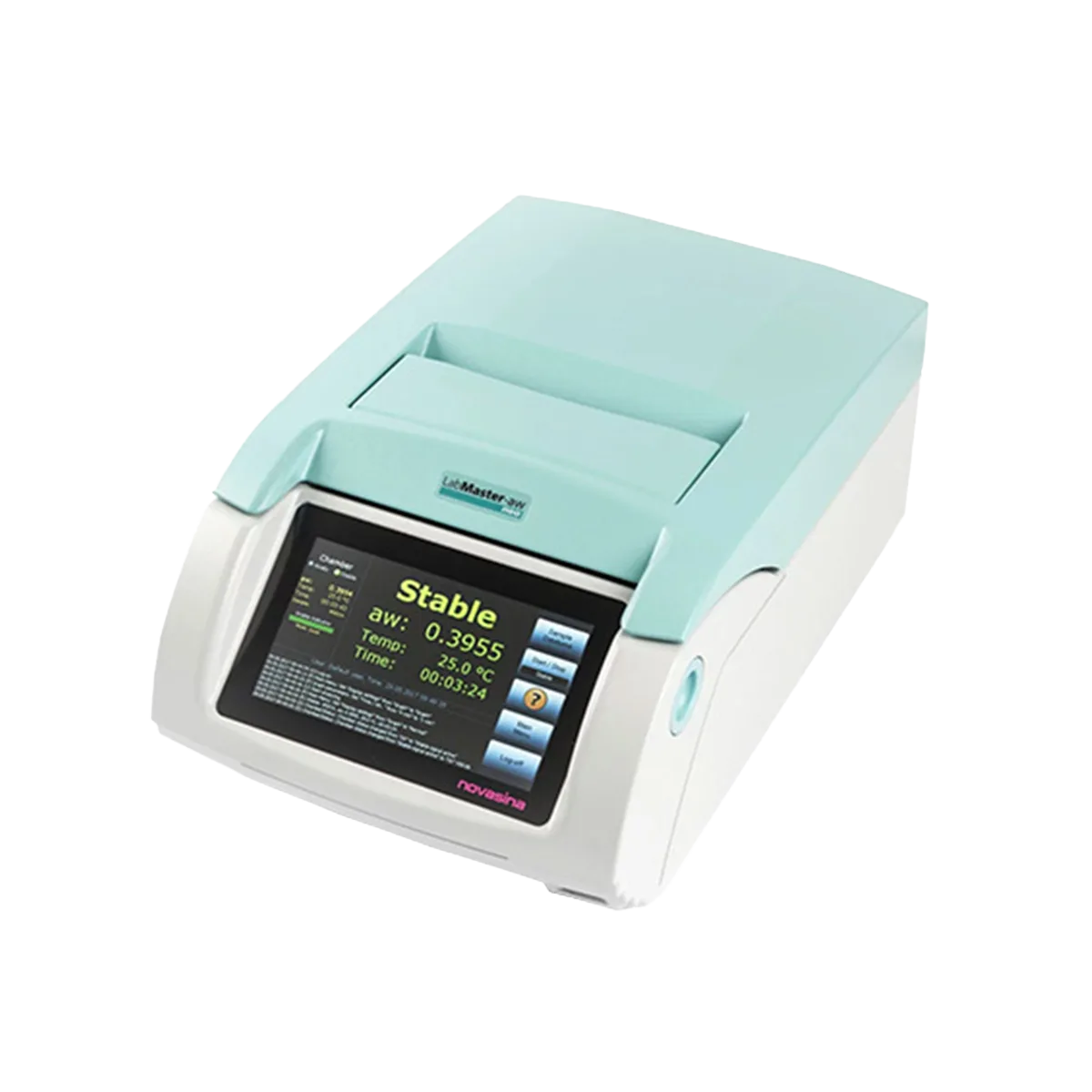 Su Aktivitesi (aw) Ölçüm Cihazı
 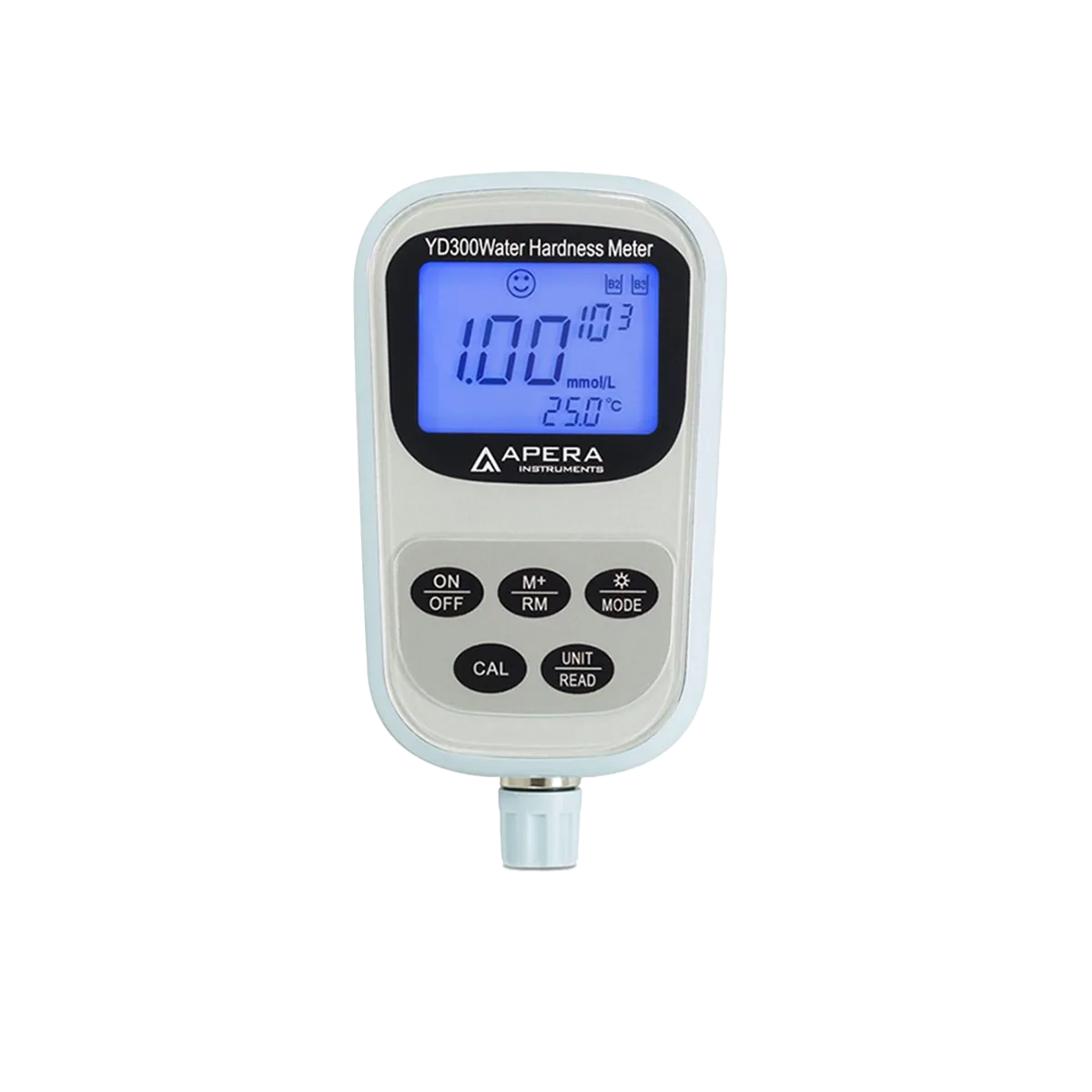 Su Sertliği
  Süt Analiz Cihazı
  Türbidimetre Cihazları
  Atomik Absorpsiyon Spektrofotometresi (AAS)
  FT-NIR Spektrofotometre
  Ksenon Spektrofotometre
  Raman Spektrometresi
  UV-Vis Spektrofotometre
  X-Işını Difraksiyon Cihazı (XRD)
  Abbe Refraktometre
  Asit Ölçerler
  Dijital El Tipi Refraktometre
  Dijital Refraktometre
  El Tipi Refraktometre
  IR Refraktometre
  Palette Serisi Refraktometre
  PEN Serisi Refraktometre
  Özel Ölçüm Refraktometreleri
  Polarimetre Cihazları
  In-line Refraktometre
  Çözünmüş Oksijen Ölçer (DO Metre)
  İletkenlik Ölçerler
  İyon Seçici Elektrotlar (ISE)
  Multimetre Cihazları
  ORP-Redoks Ölçüm Cihazları
  pH Metreler
  TDS Ölçüm Cihazları
  İyon Kramotografi
  Randall Ekstraksiyon Sistemleri
  Soxhlet Ekstraksiyon Sistemleri
  Karl Fischer Titratörleri
  Akış Sitometresi
  Elektroforez Sistemleri
 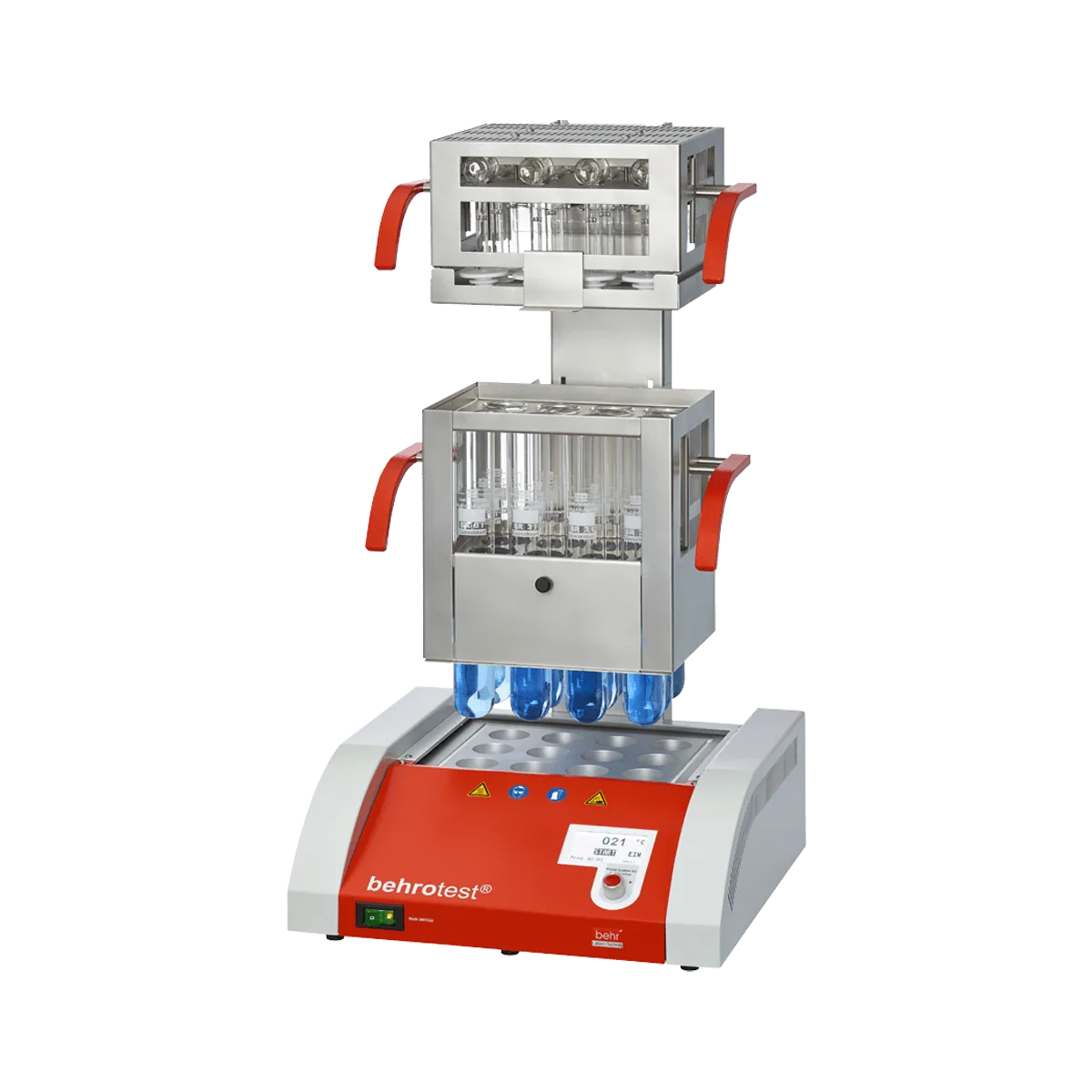 Kjeldahl Azot – Protein tayin sistemi
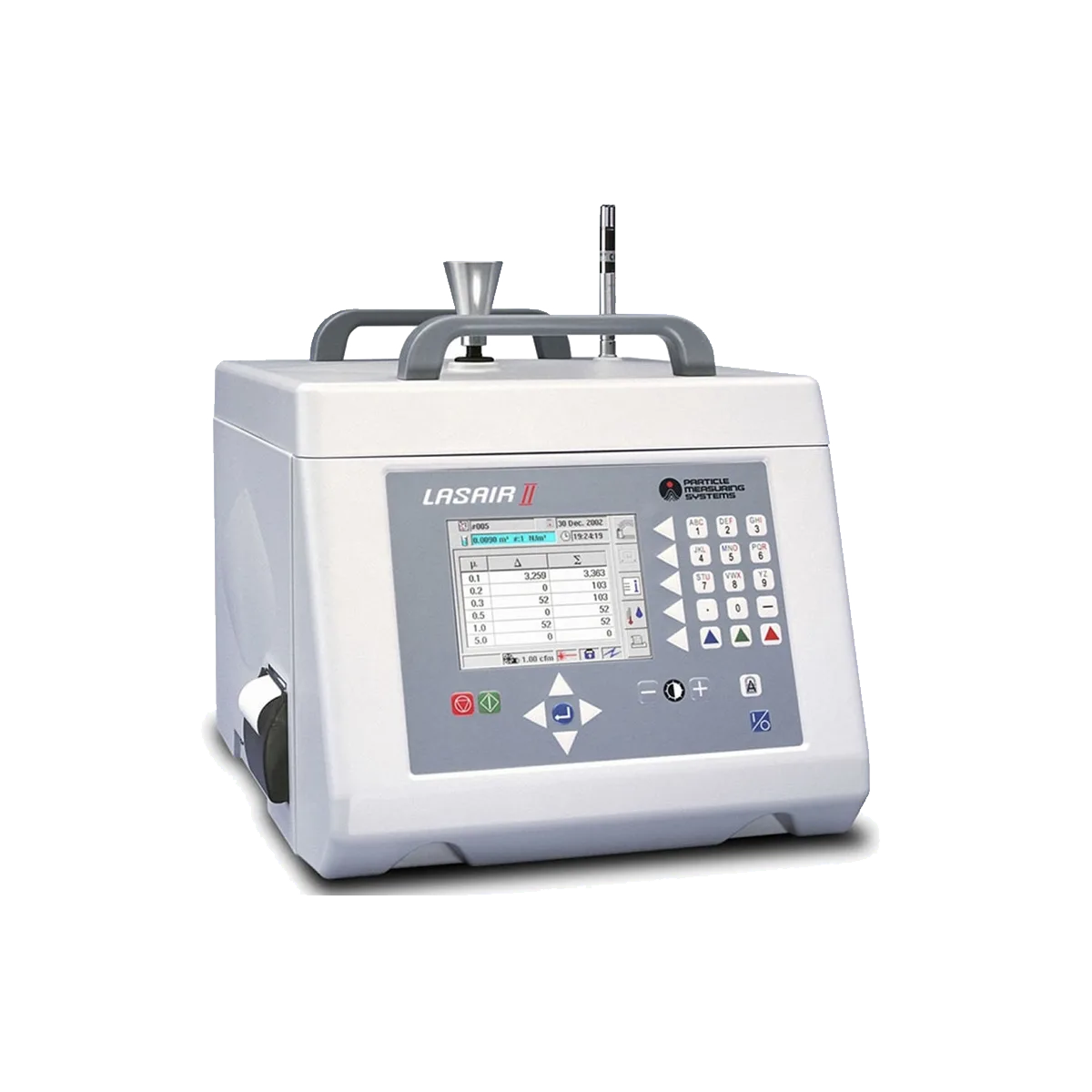 Aerosol Partikül Sayım Cihazları
 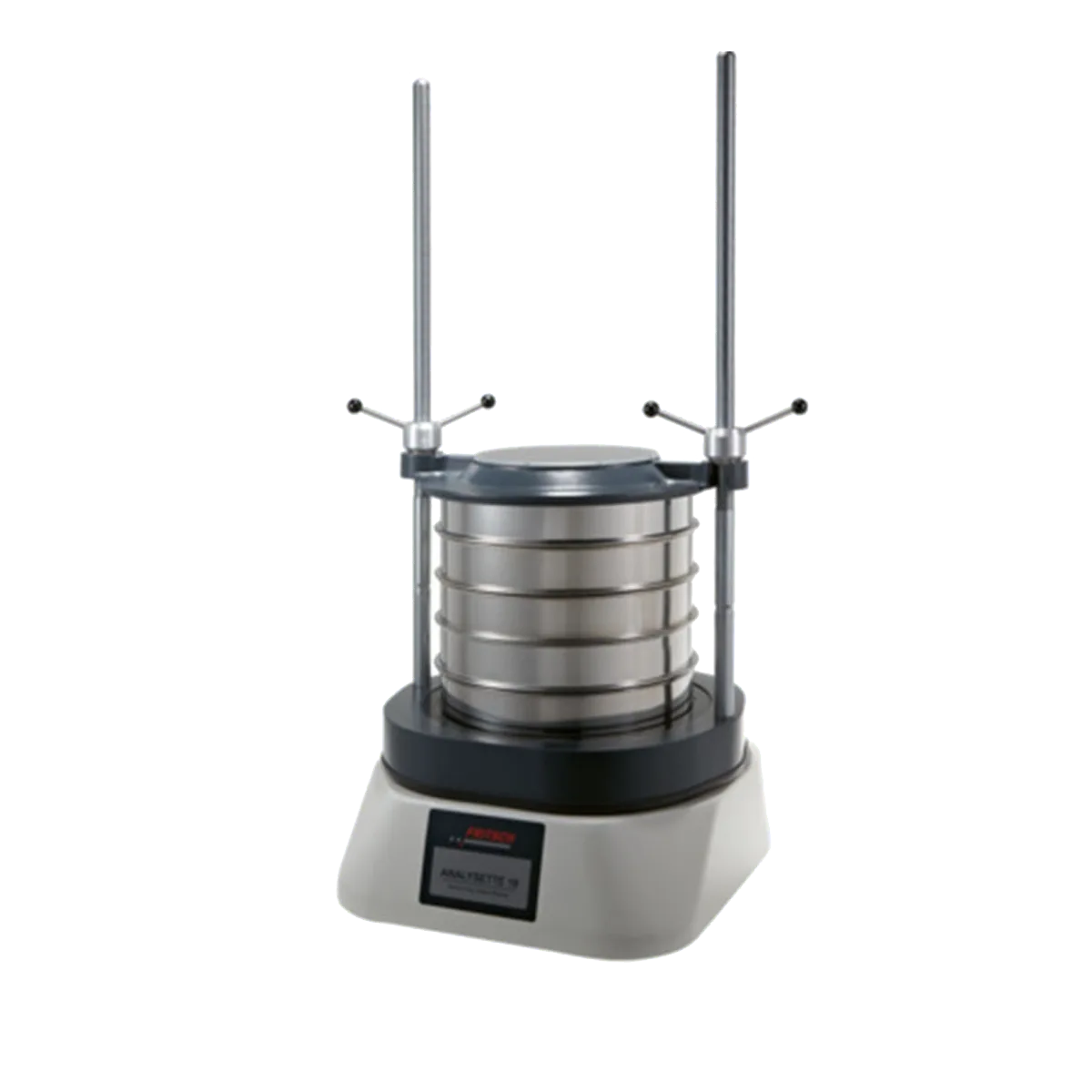 Elek Analiz Cihazı
 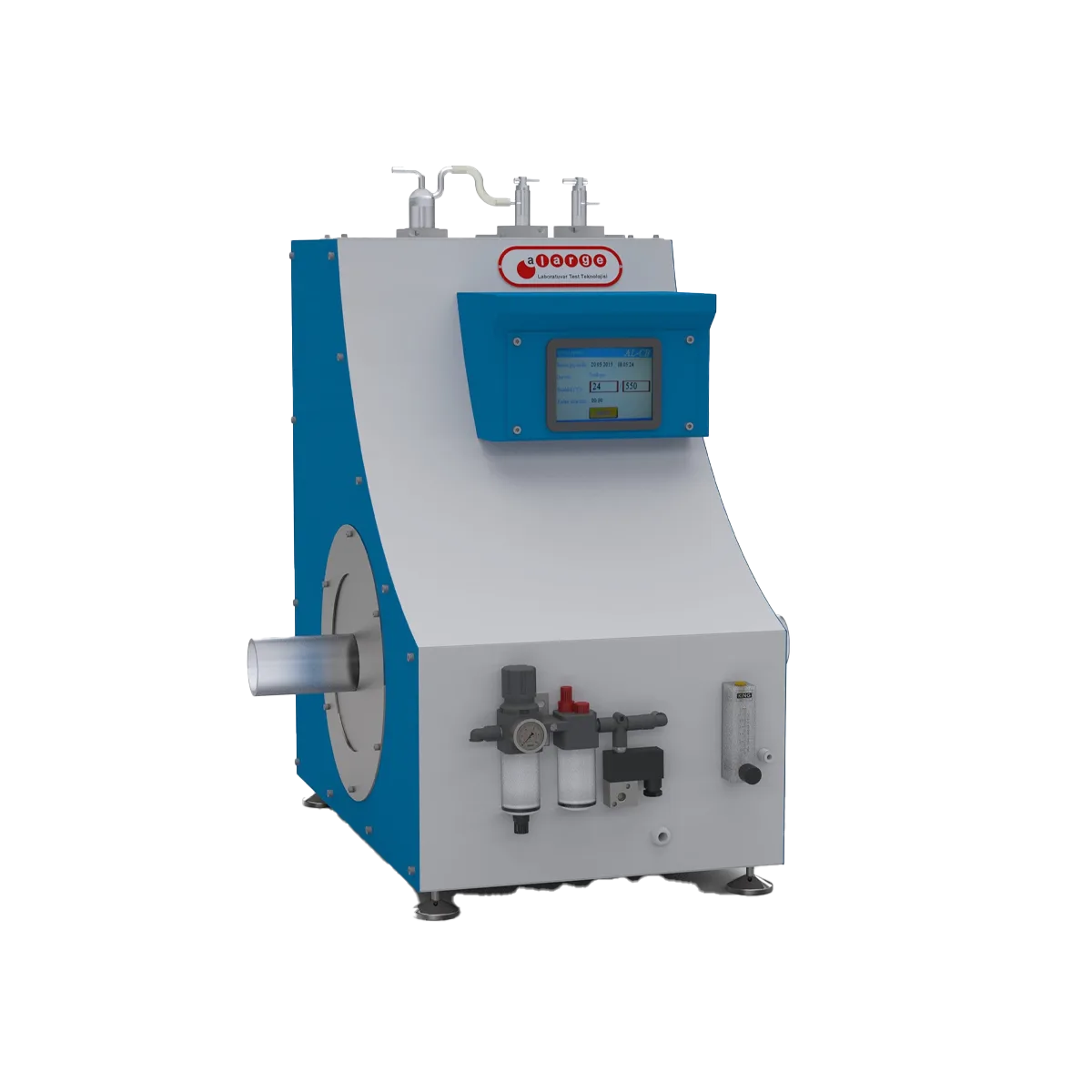 Karbon Siyahı Miktar Tayin Cihazı
  Parçacık Boyut Analizörü
  Renk Tayin Cihazları
  Optik Mikroskoplar
  Taramali Elektron Mikroskobu (SEM)
  İletim Elektron Mikroskobu (TEM)
  Diferansiyel Tarama Kalorimetre (DSC)
  Rheometre Cihazları
  Surface Plasmon Resonance (SPR) Sistemleri
 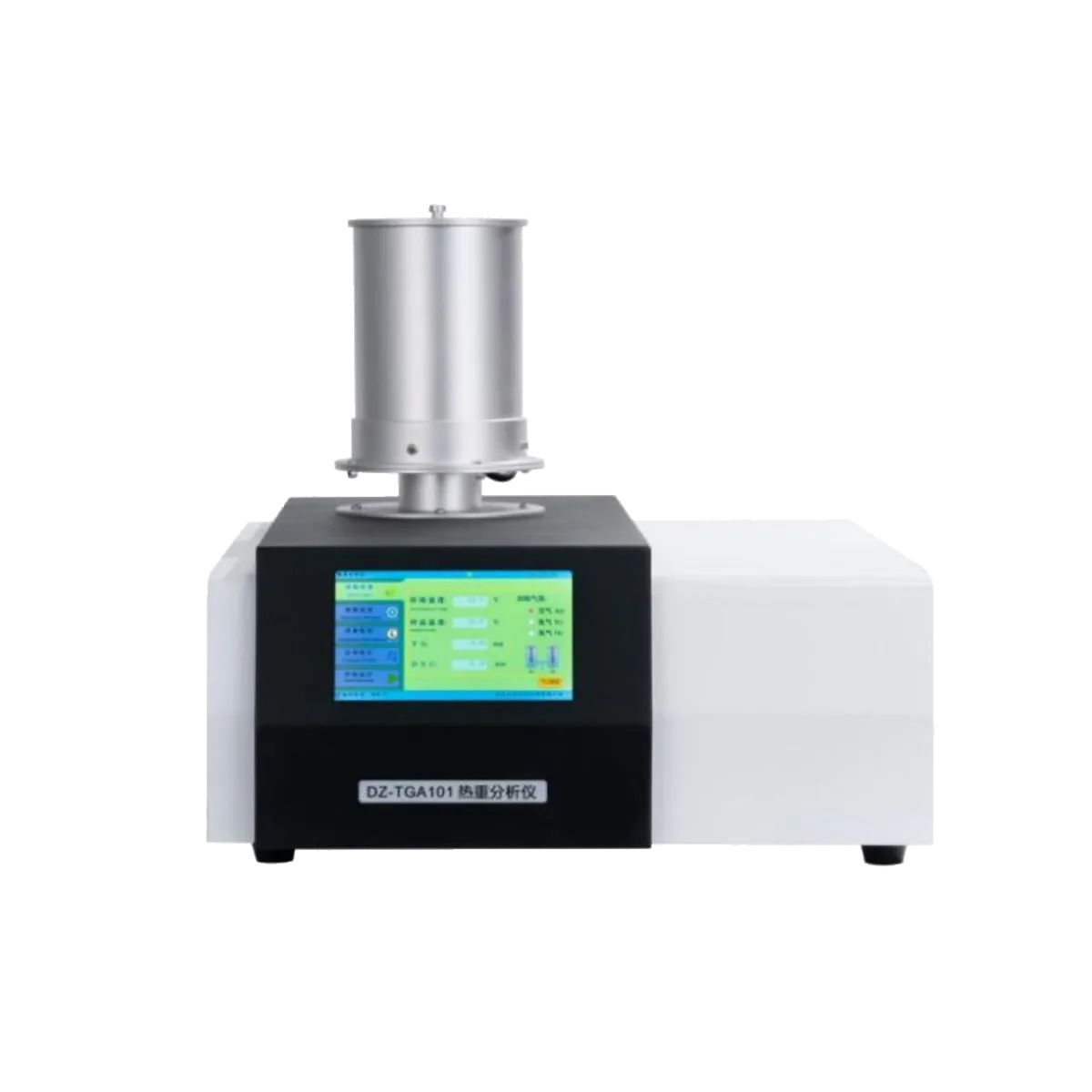 Termal Gravimetrik Analiz (TGA)
 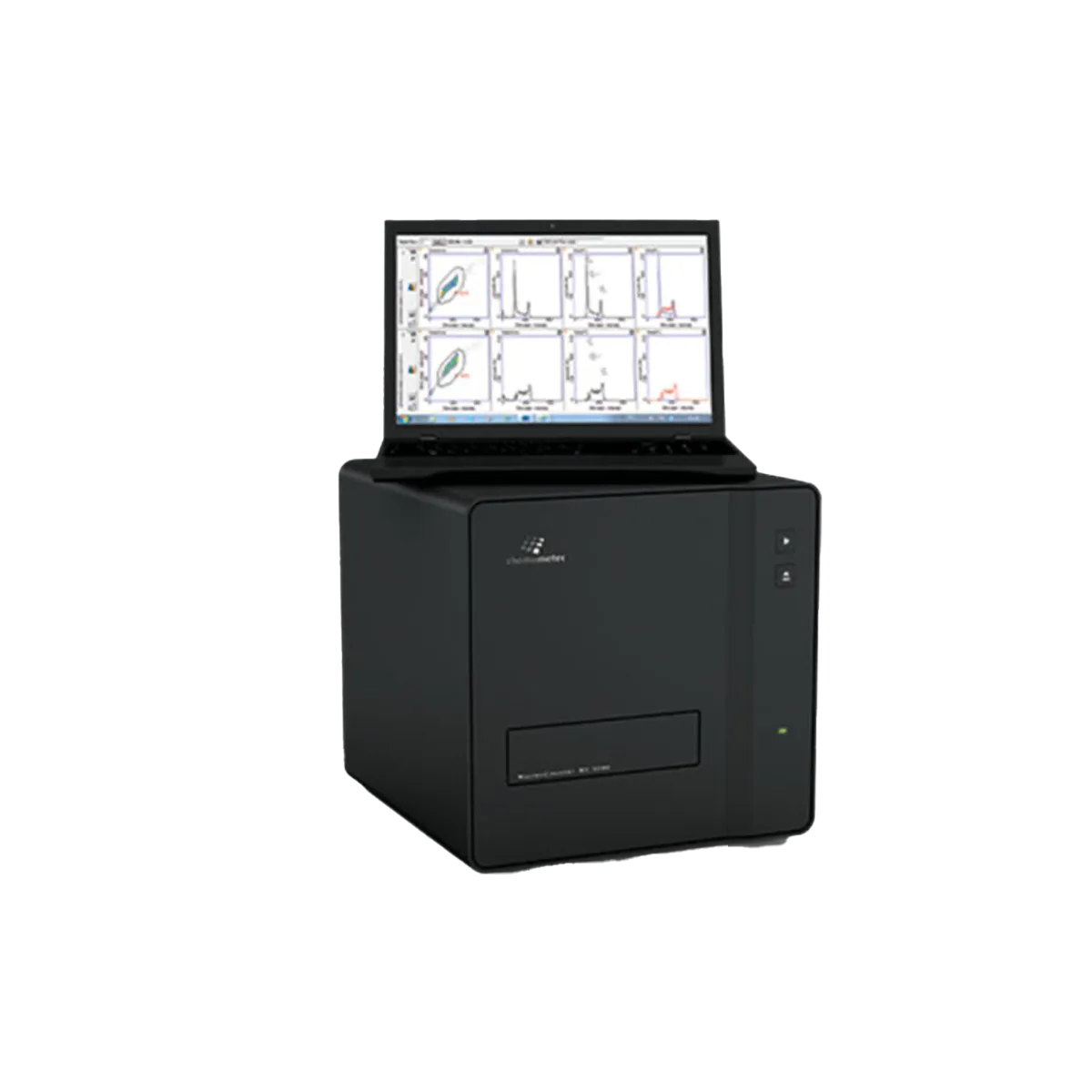 Hücre Sayım Cihazları
 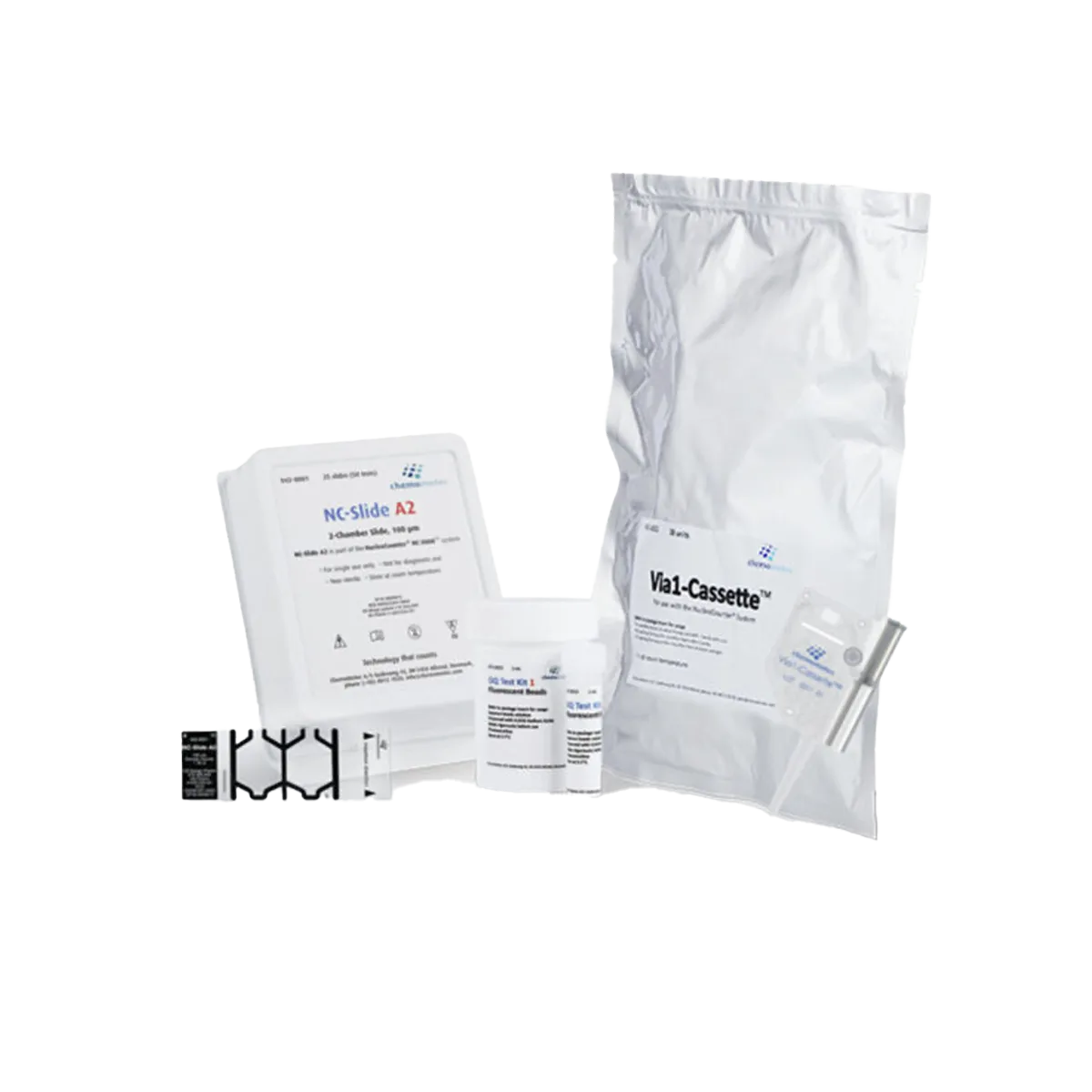 Kaset ve Kitler
  Reagent ve Sarflar
  Somatik Hücre Sayım Cihazları
  PEN Serisi Refraktometreler
  In-line Refraktometreler
  Elektronik Burun (E-Nose)
  Elektronik Dil (E-Tongue)
  Elektronik Göz (E-Eye)
  Sedimentasyon Analiz Cihazları
  Gaz Piknometresi
 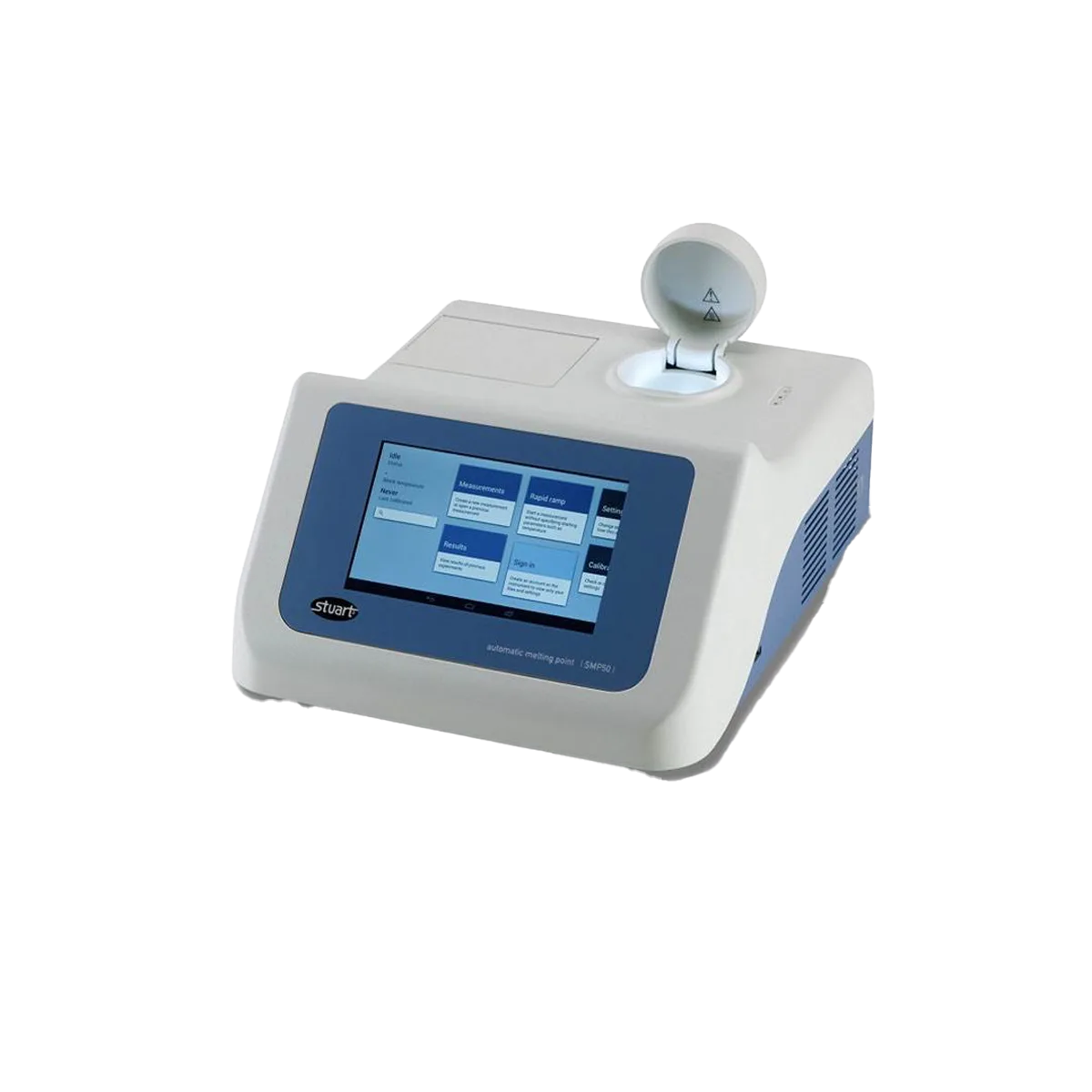 Erime Noktası Tayin Cihazı (Melting Point)
 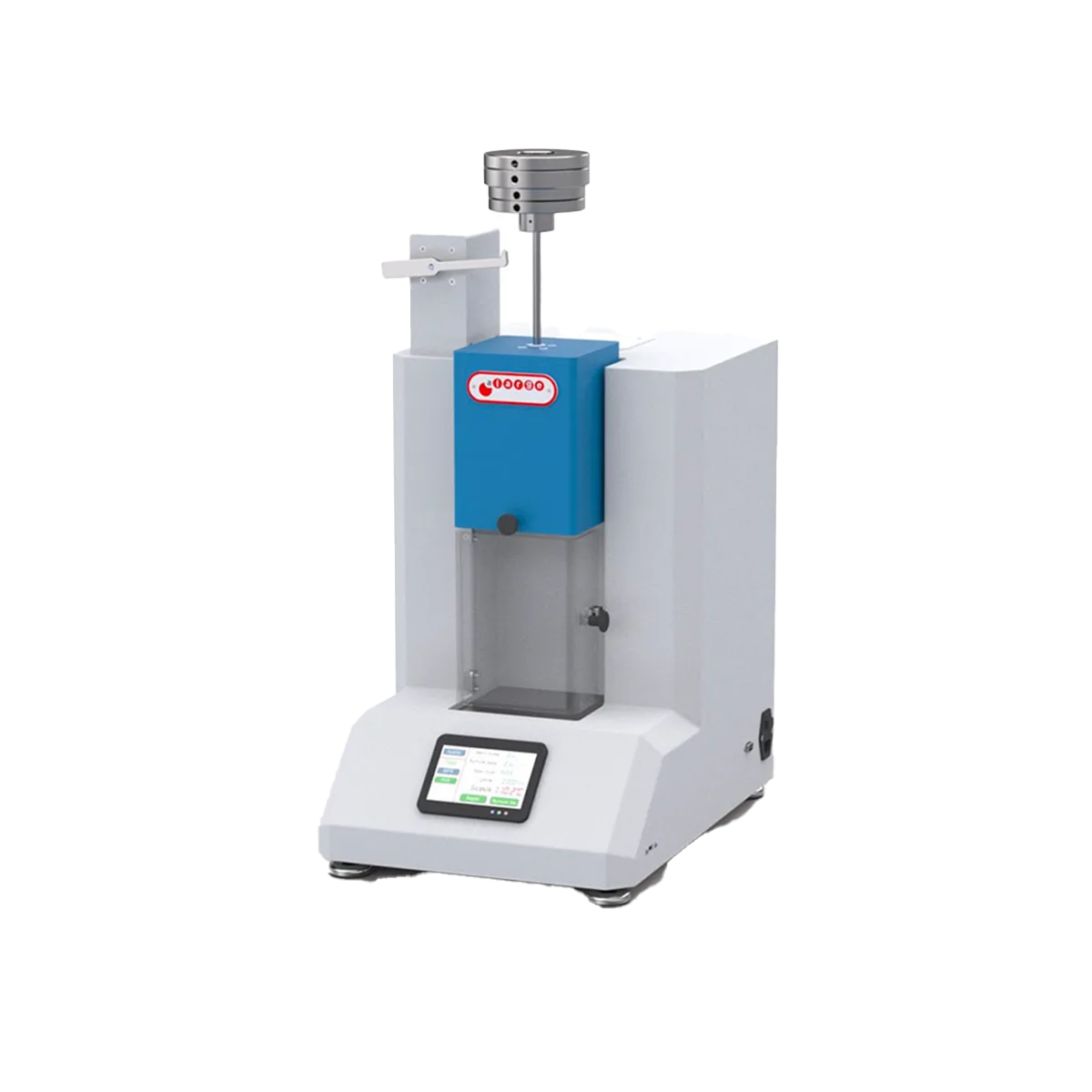 Erime Akış İndeksi (MFI) Tayin Cihazı
  Penetrometer
 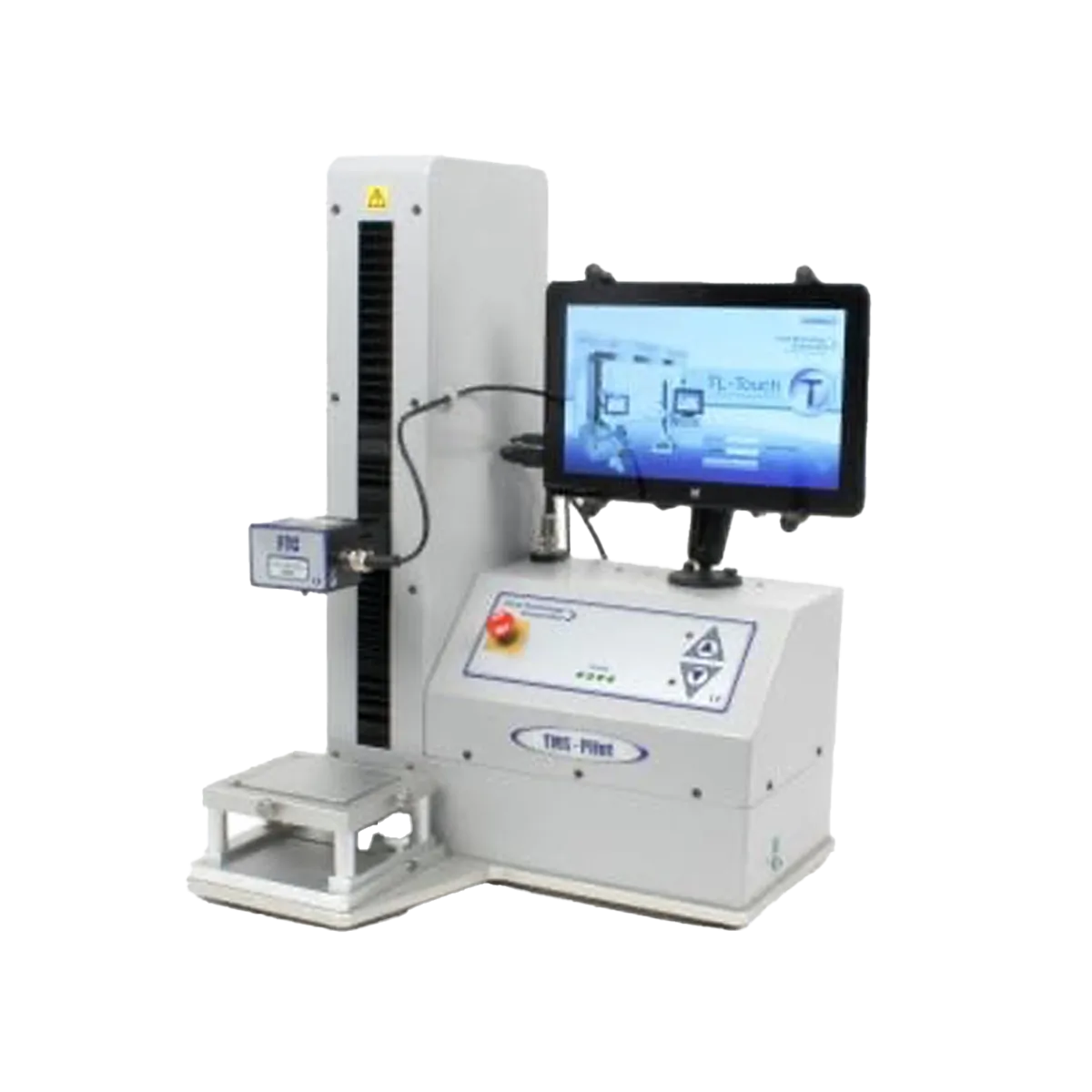 Tekstür Analiz Sistemi
 Azotlu Sistem Etüv
  Klimatik Test Kabini
  İnkübatör
  Su Banyosu
 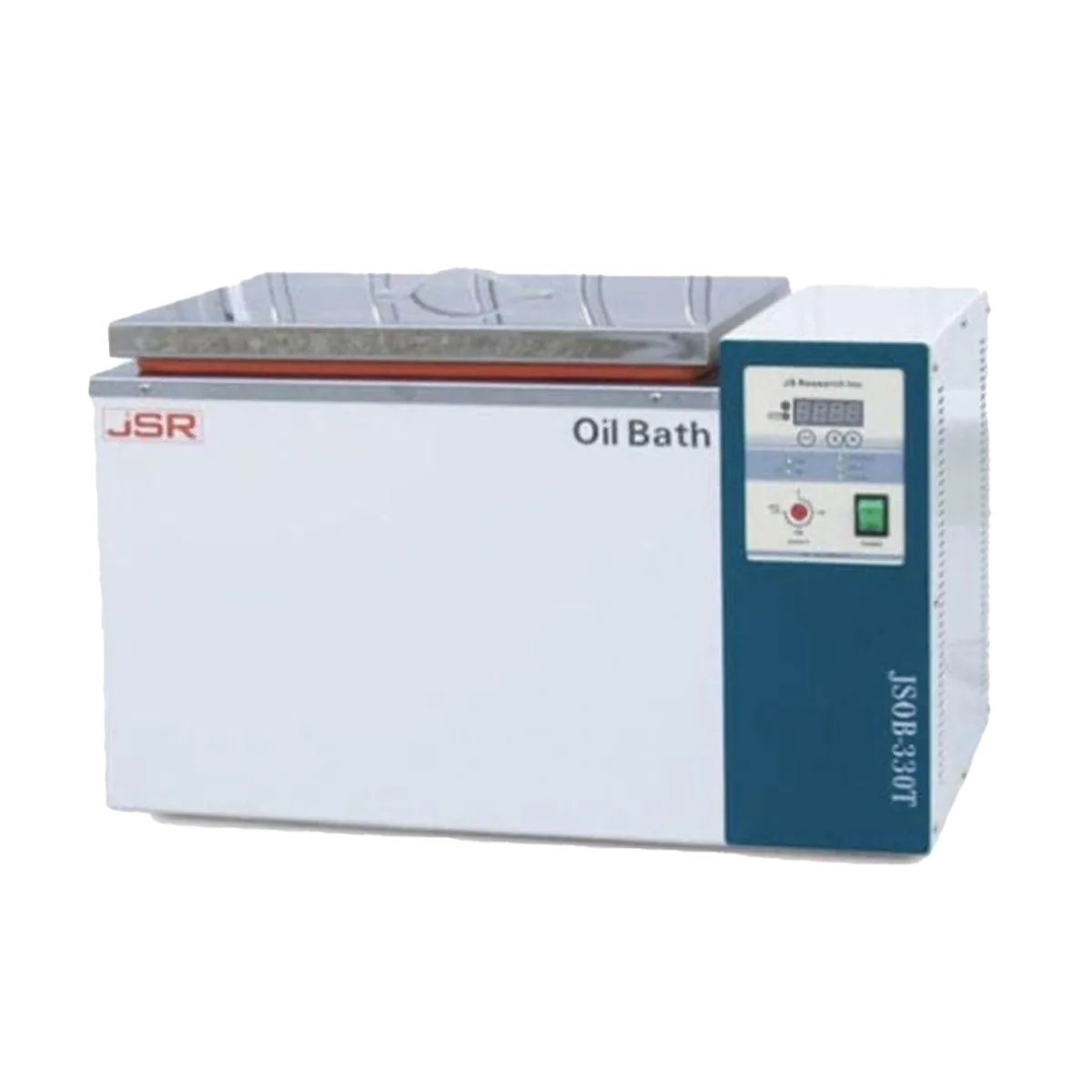 Yağ Banyosu
 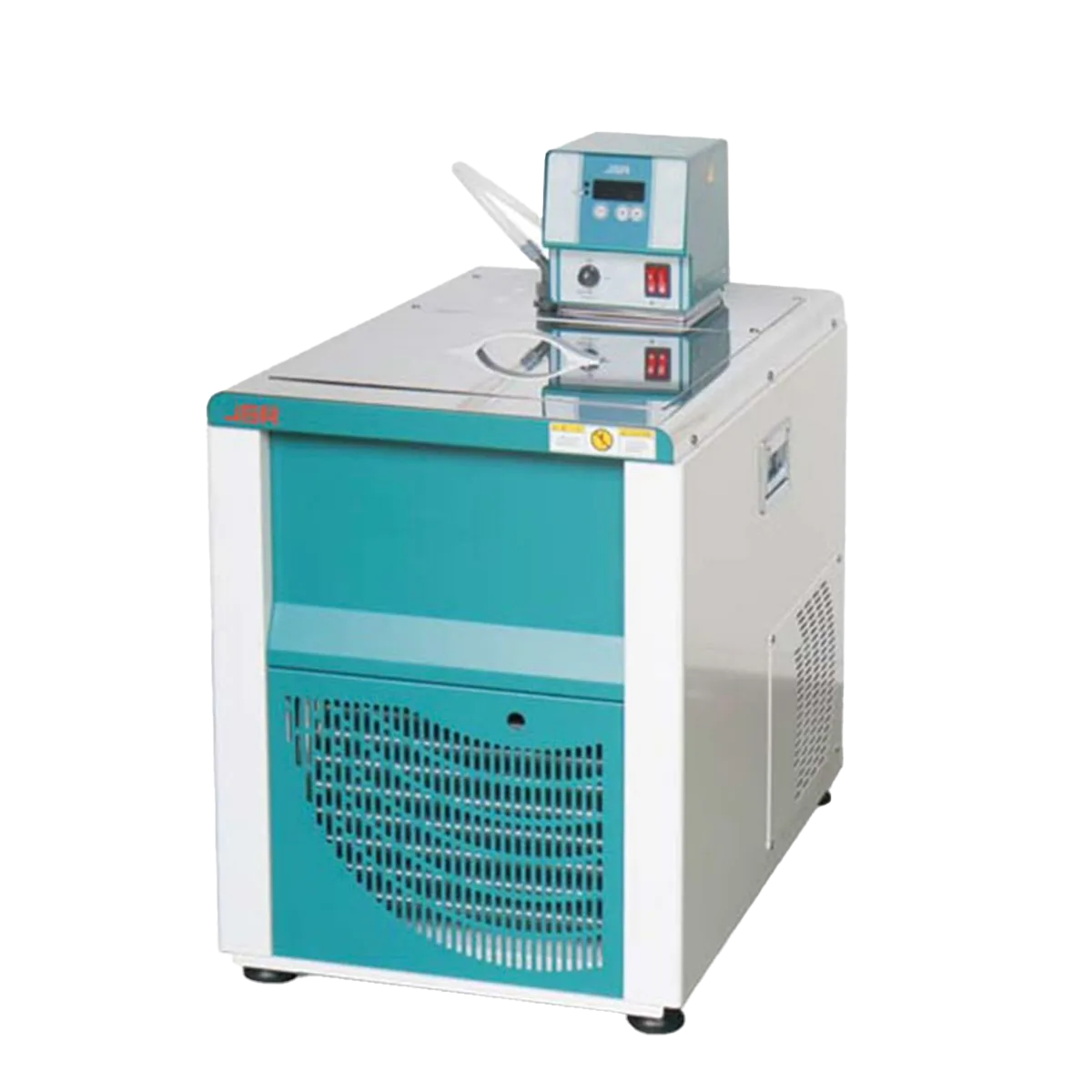 Soğutmalı – Isıtmalı Sirkülasyonlu Su Banyosu
 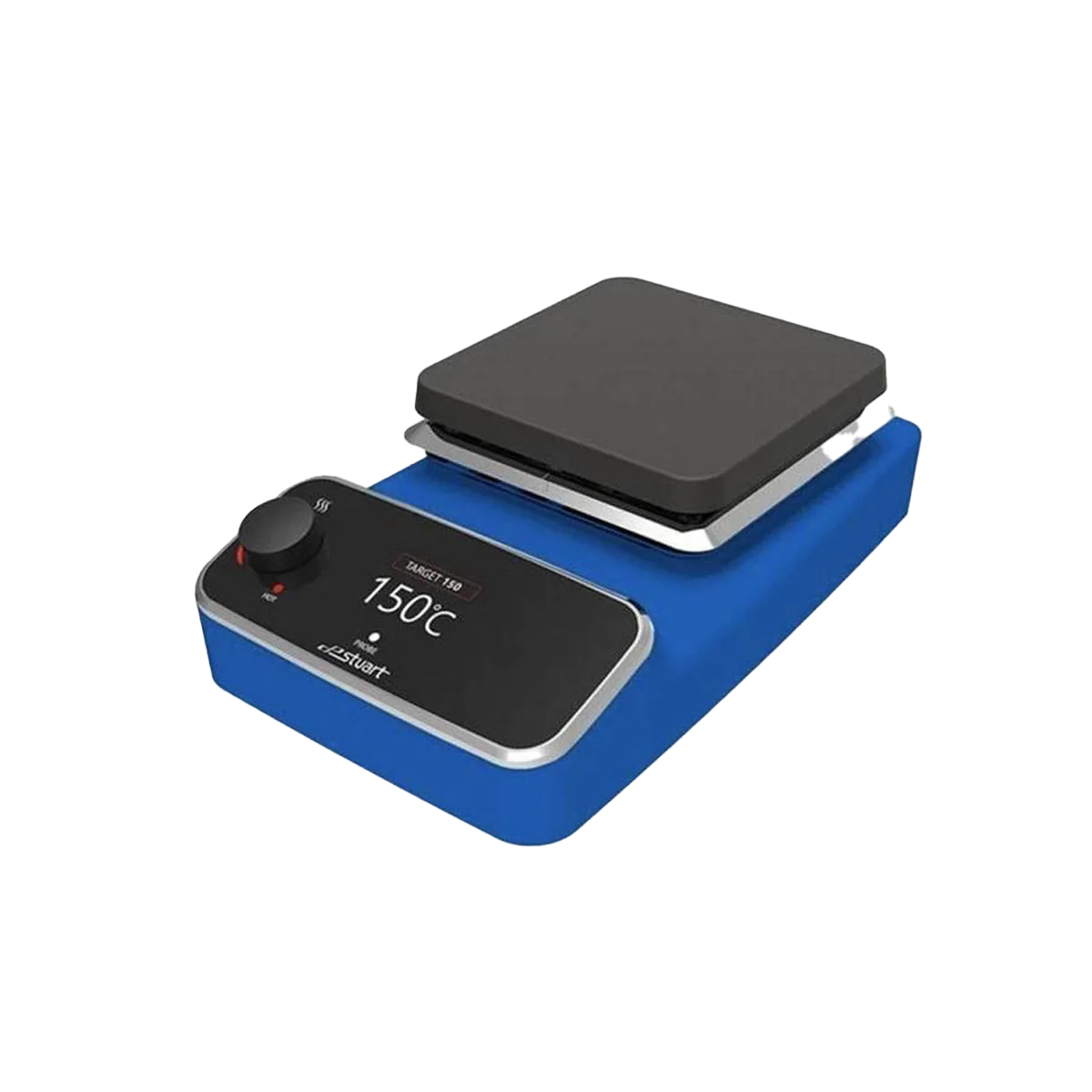 Hot Plate – Isıtıcı Plakalar
 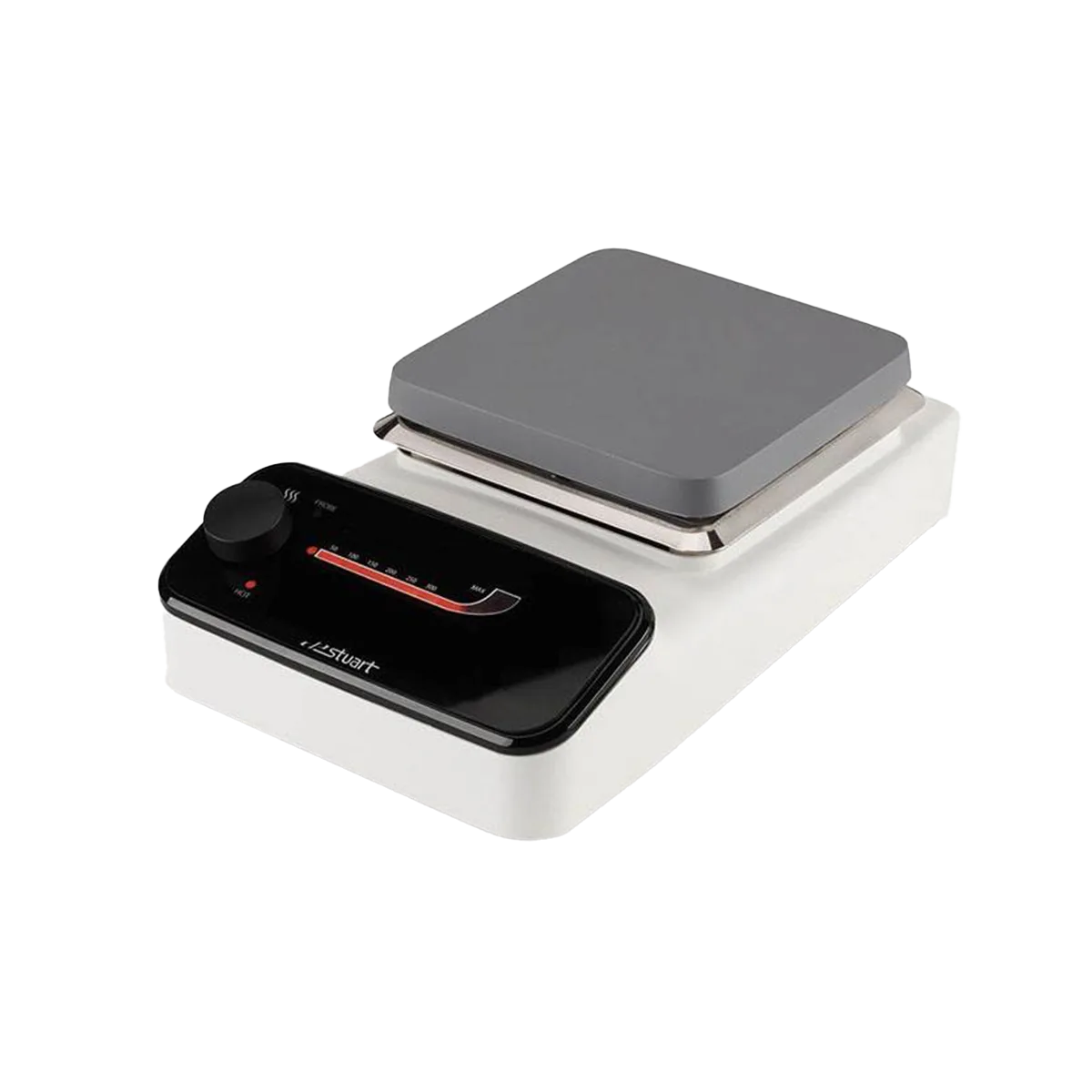 Manyetik Karıştırıcılar
  Blok Isıtıcılar (Heating Block)
  Balon Isıtıcılar
  Kül Fırını
  Rotary Evaporatör
 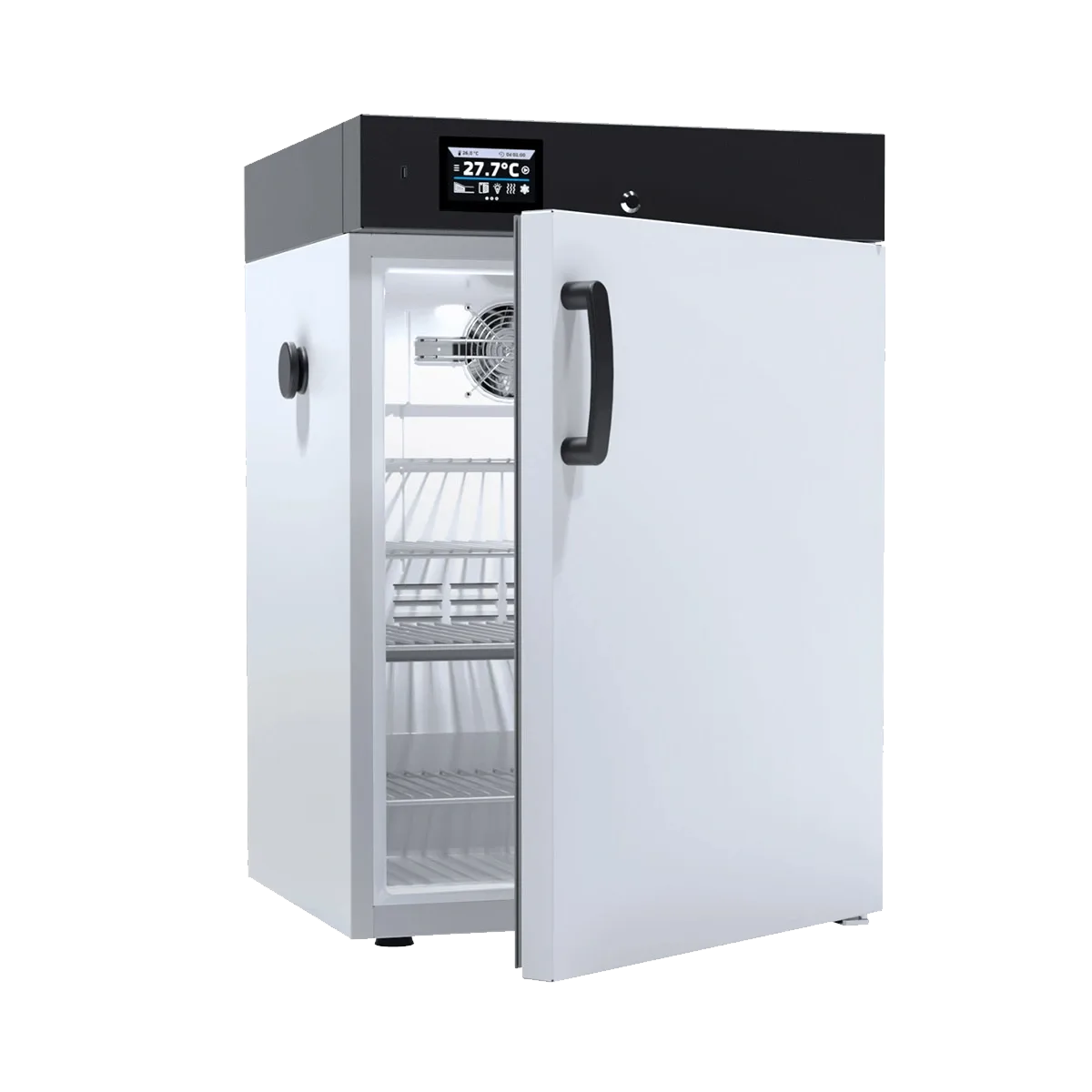 Laboratuvar Tipi Buzdolabı
 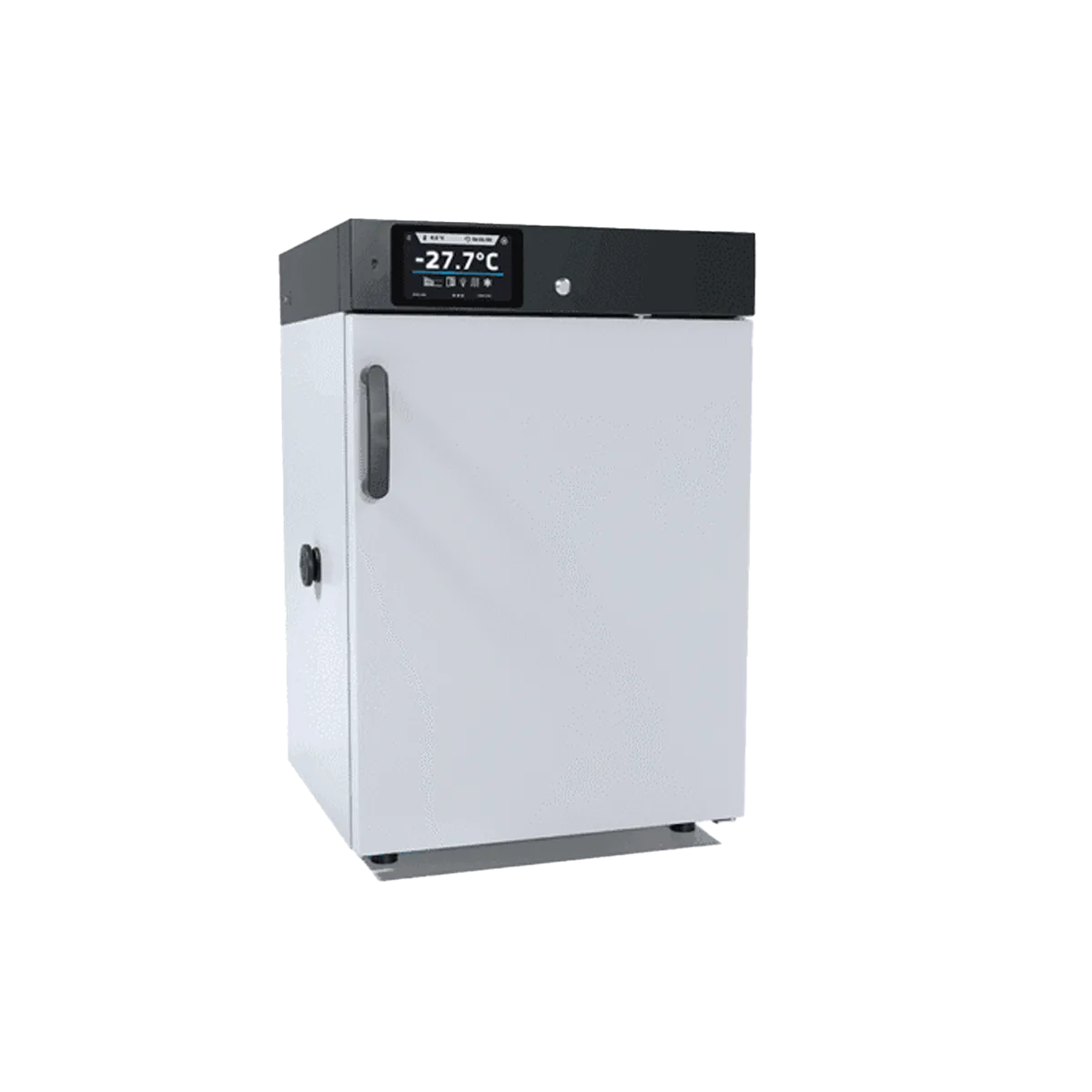 Derin Dondurucu (-25°C)
 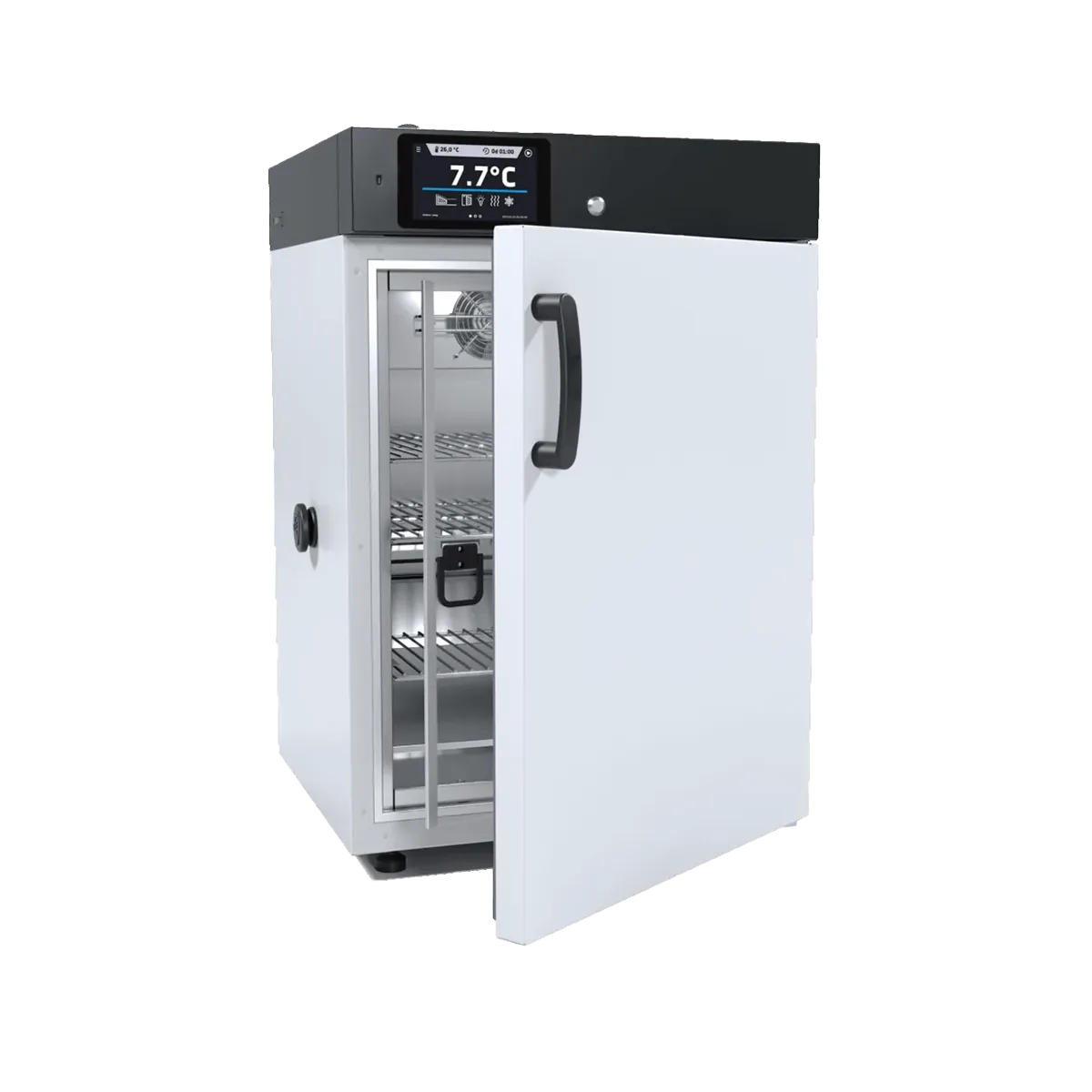 Düşük Sıcaklıklı Derin Dondurucu (-40°C)
 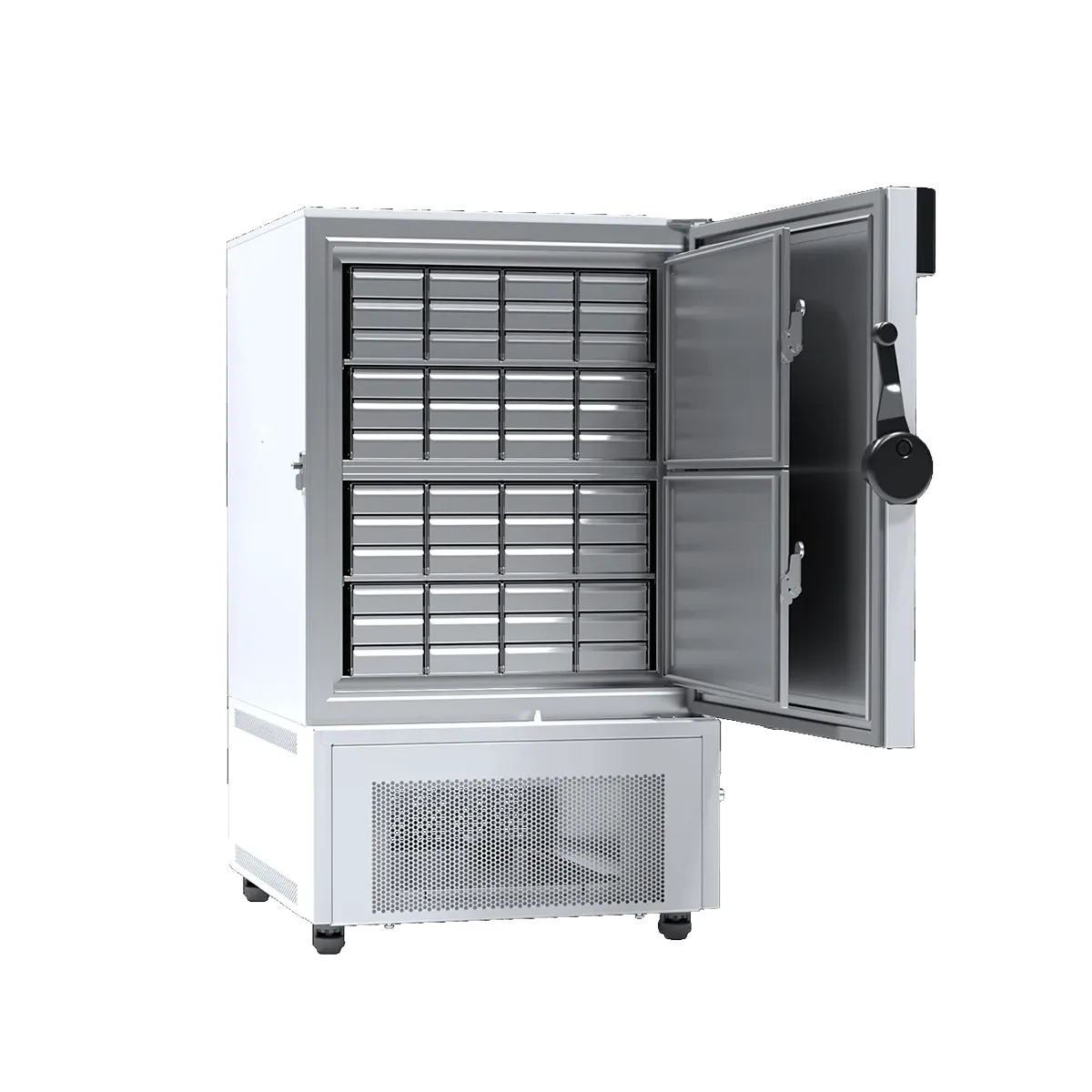 Ultra Düşük Sıcaklıklı Derin Dondurucu (-86°C)
  Kriyojenik Dondurucu (-164°C)
  Mekanik Karıştırıcı
  Homojenizatör
  Stomacher Blender
 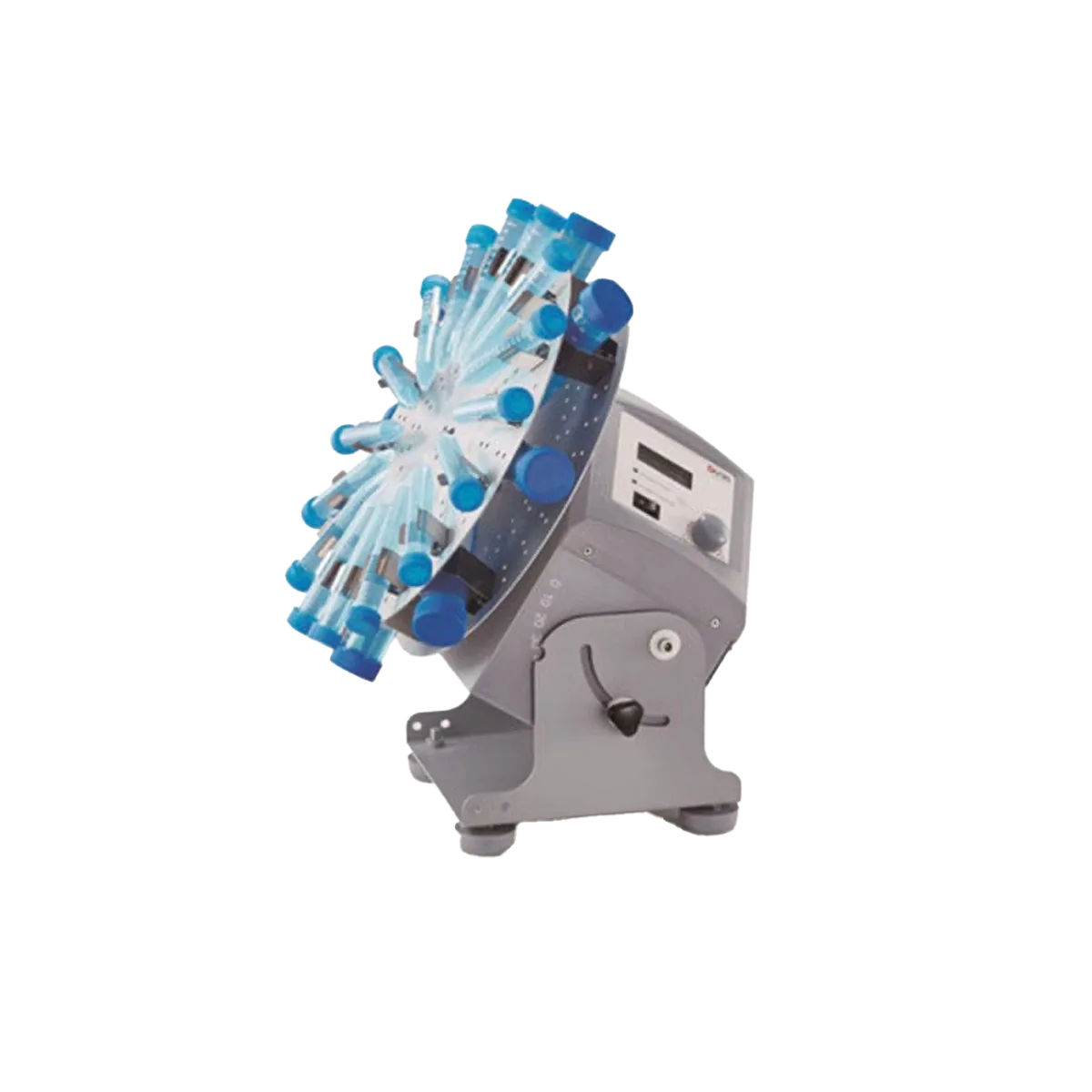 Rotatörler
 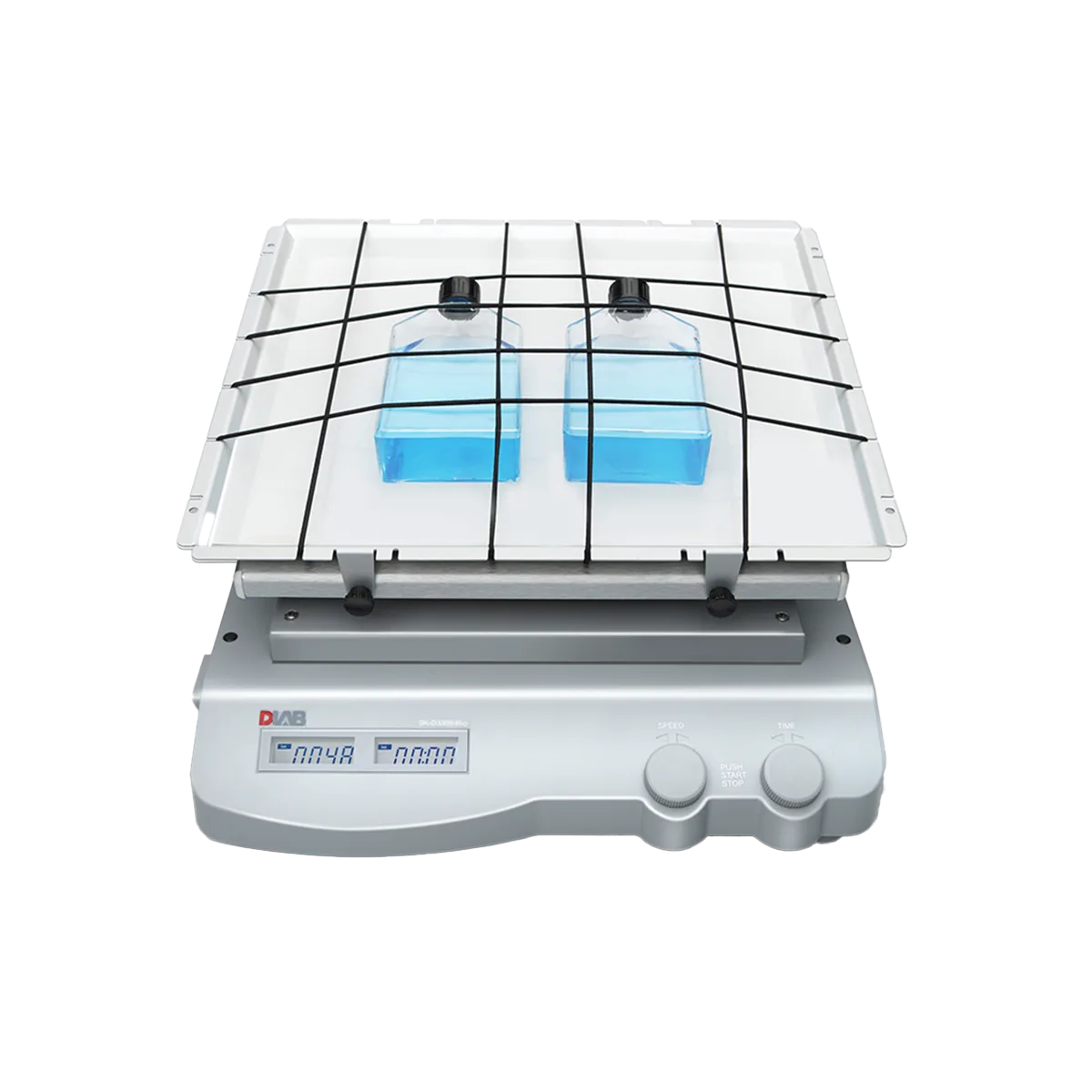 3D Çalkalayıcı
 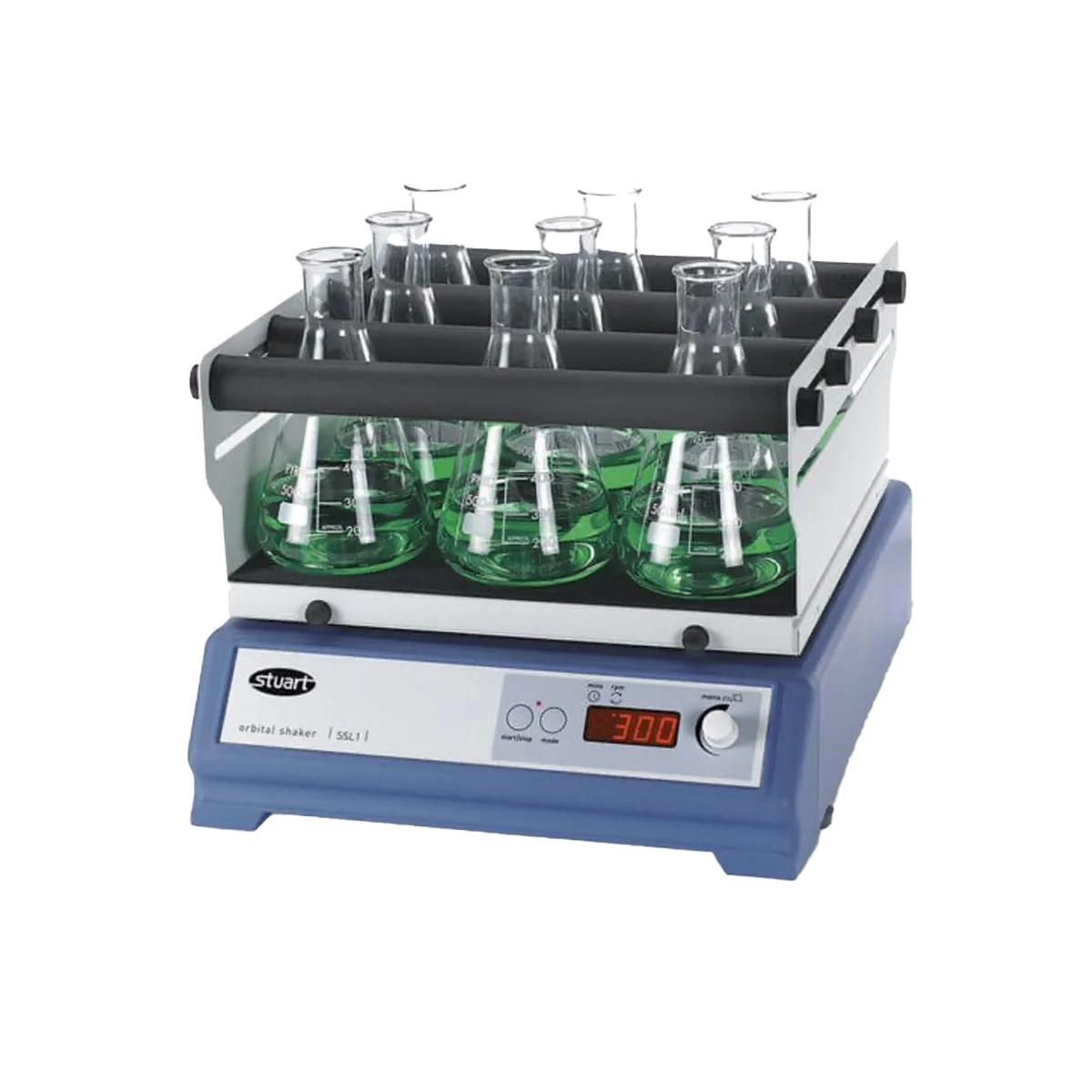 Linear Çalkalayıcı
 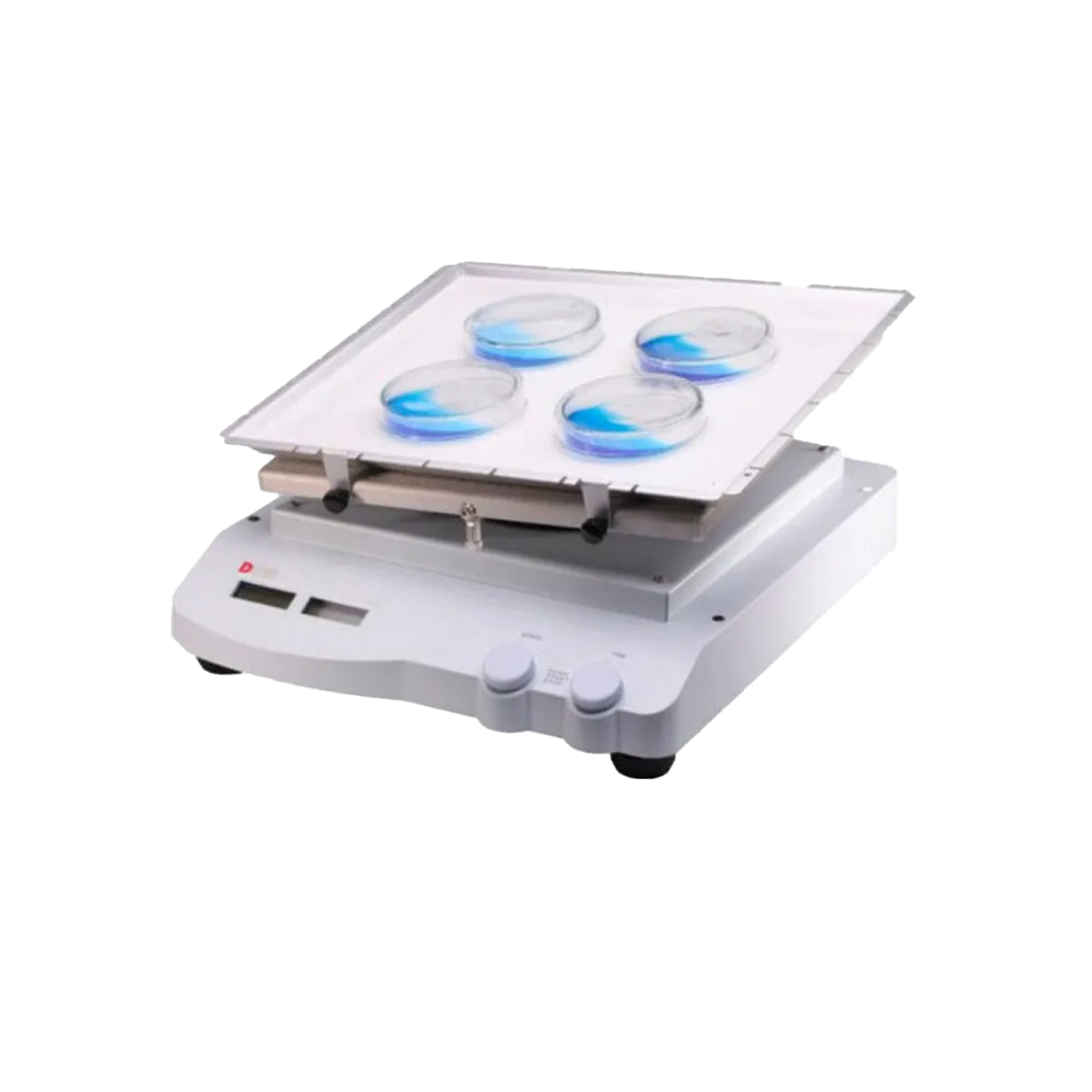 Orbital Çalkalayıcı
 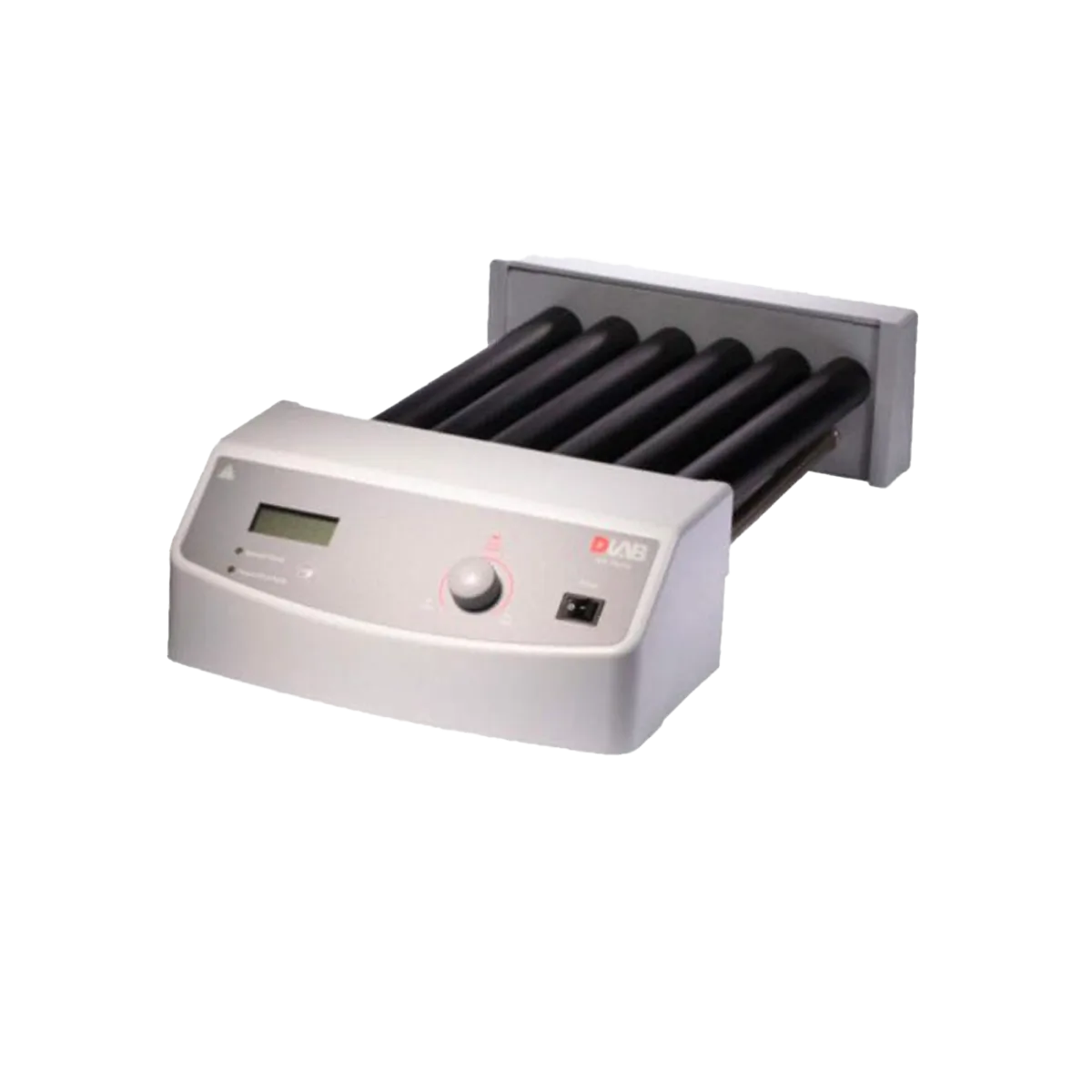 Tüp Çalkalayıcı
 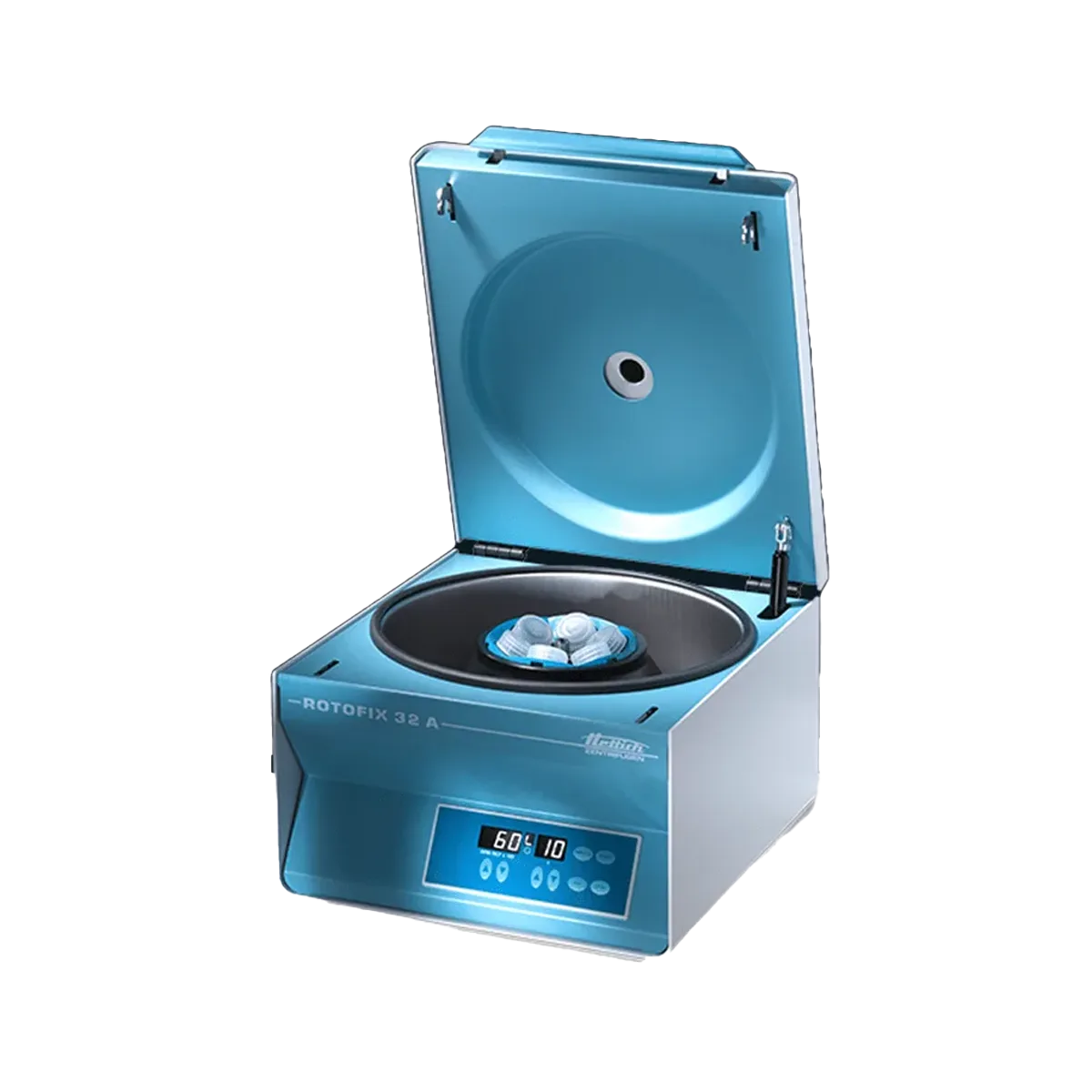 Santrifüj Cihazları
 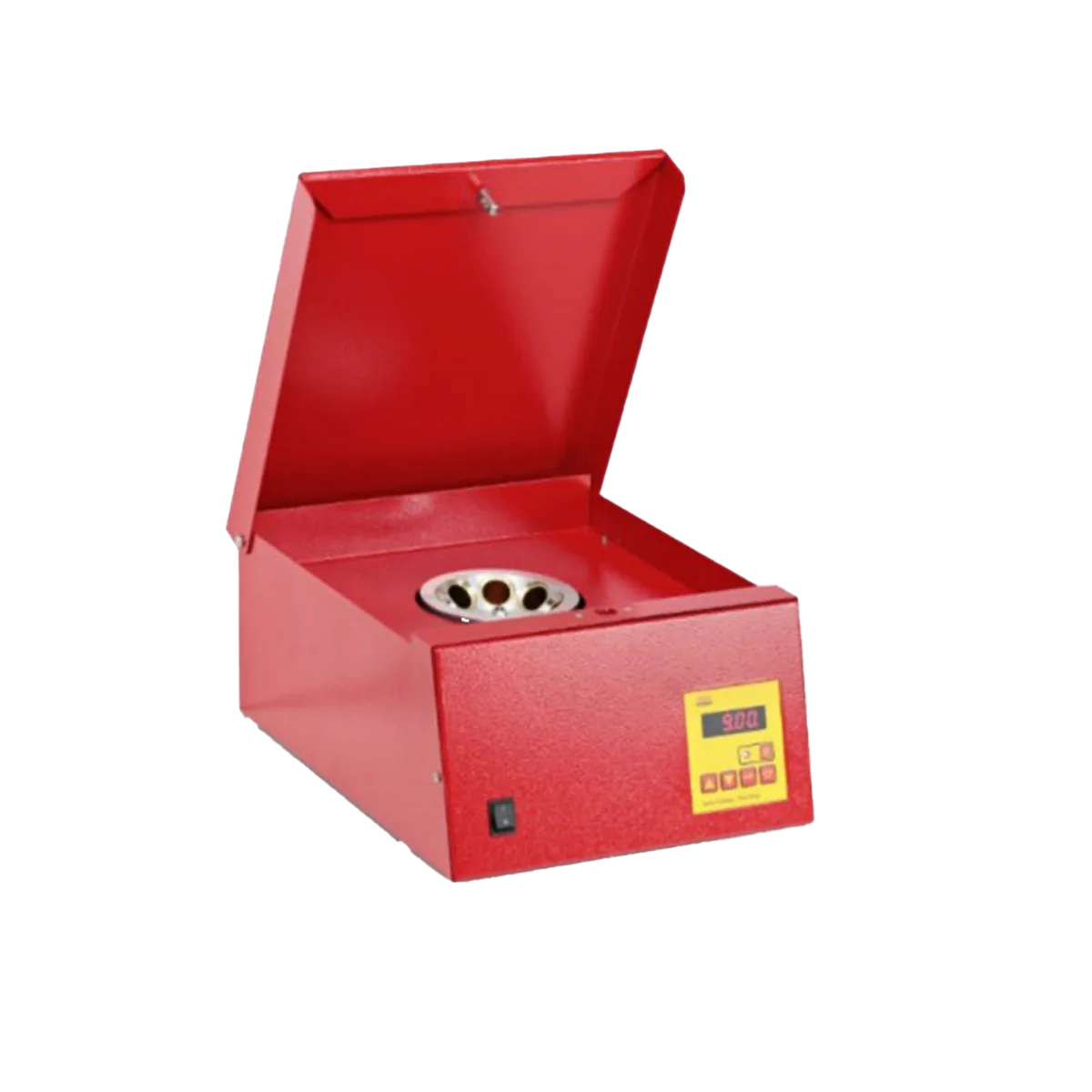 Gerber Santrifüj
 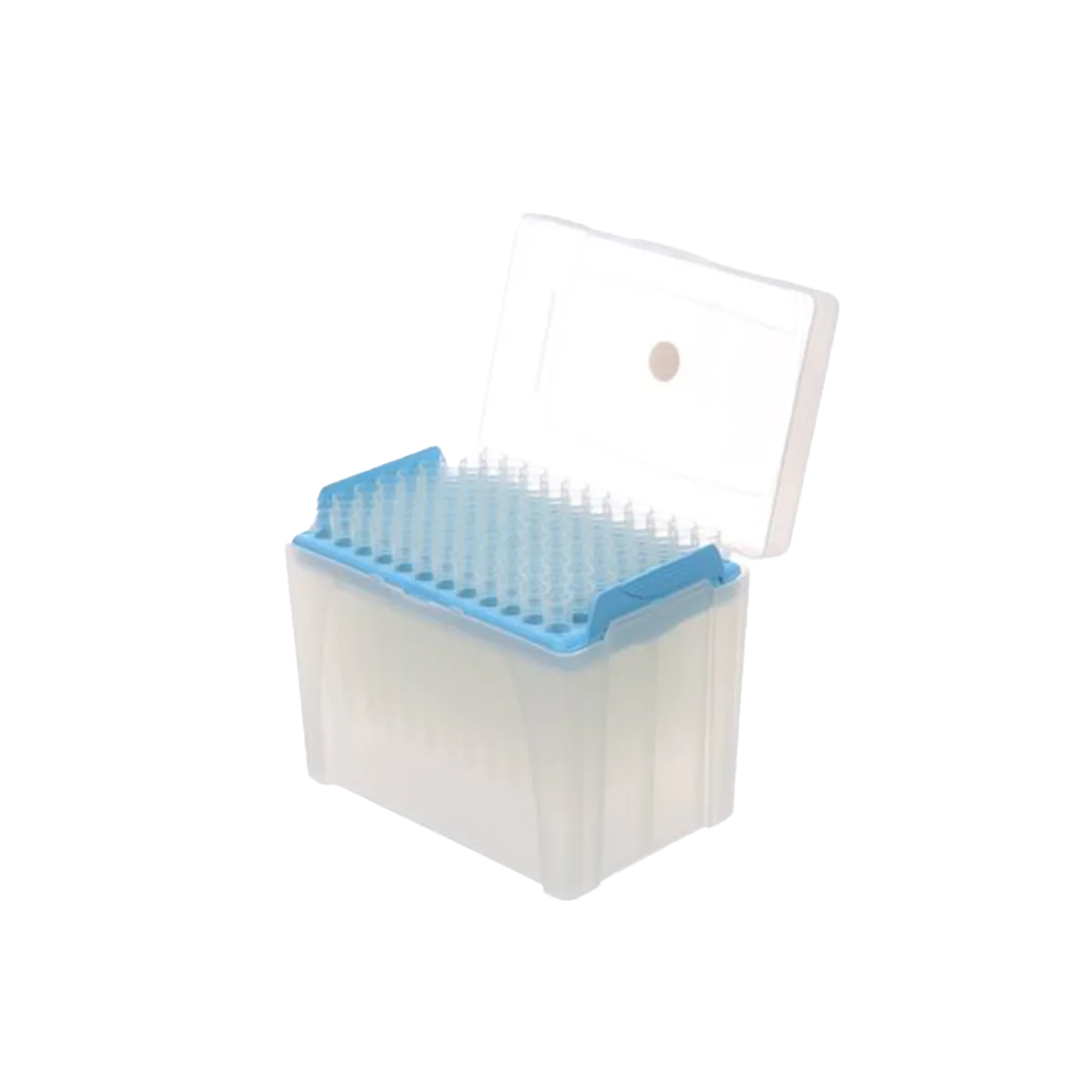 Pipet uçları
  Otomatik Büret
  Sirkülatör
  Diyafram Pompası
  Otomatik Titratörler
 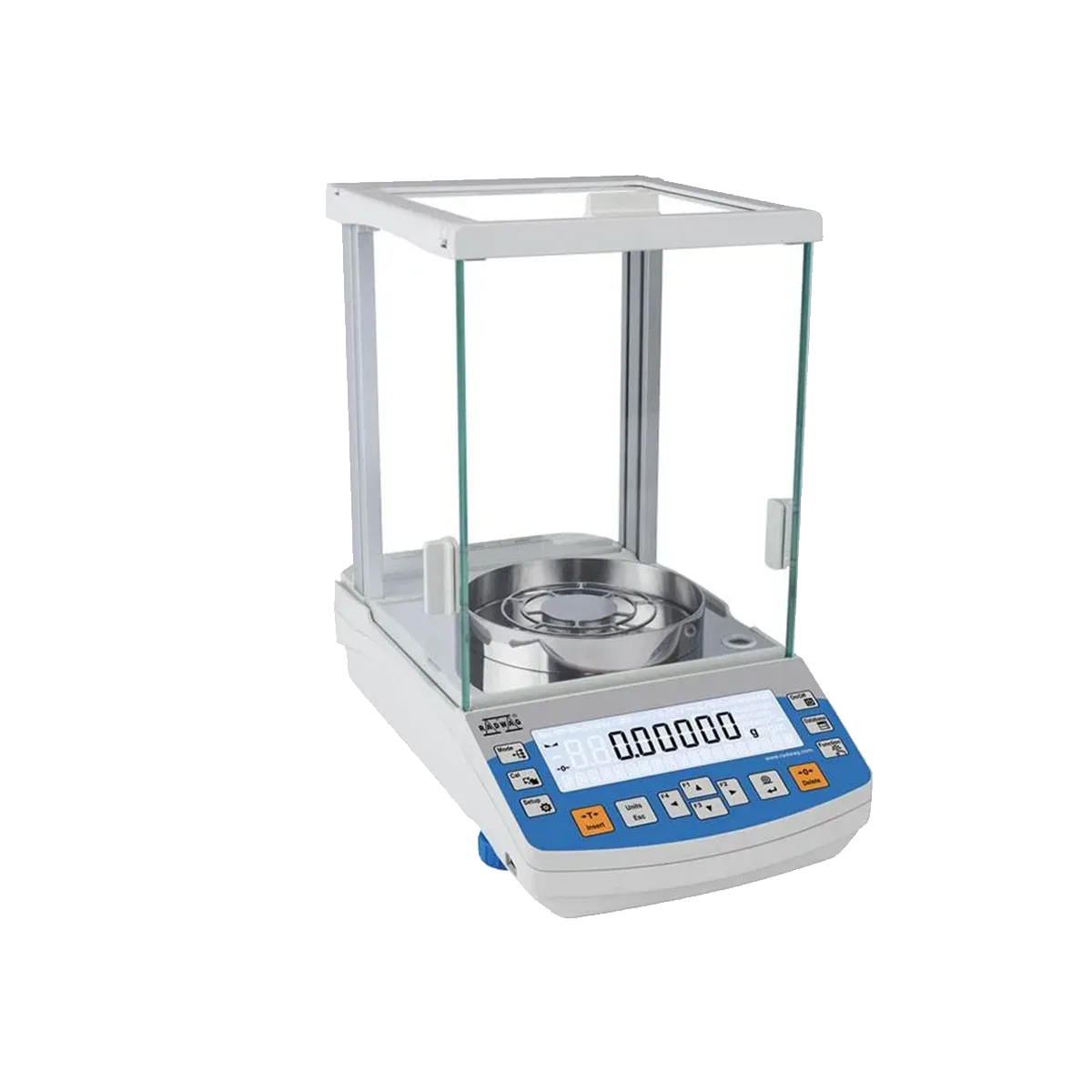 Analitik Teraziler
 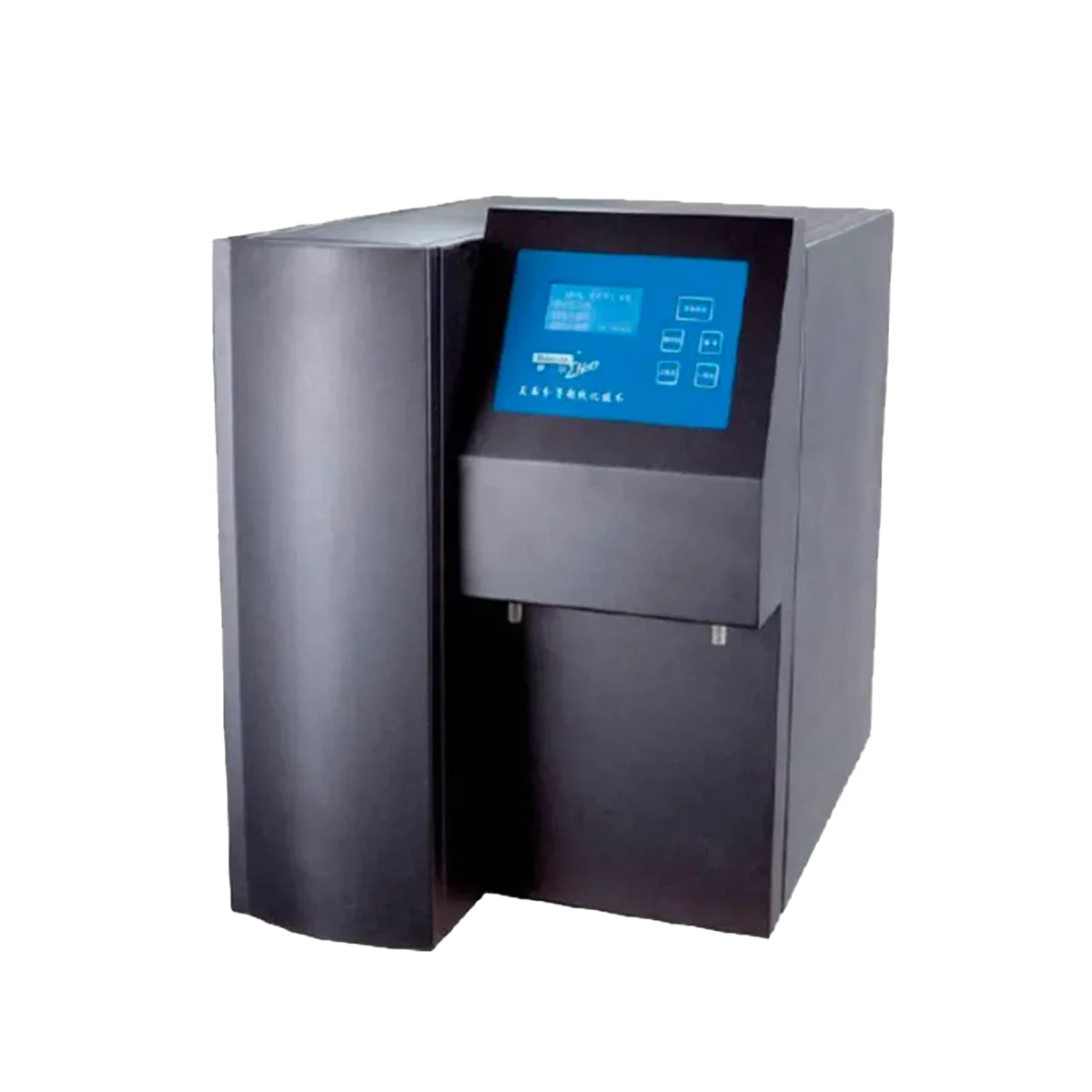 Distile - Deiyonize - Saf Su Cihazları
 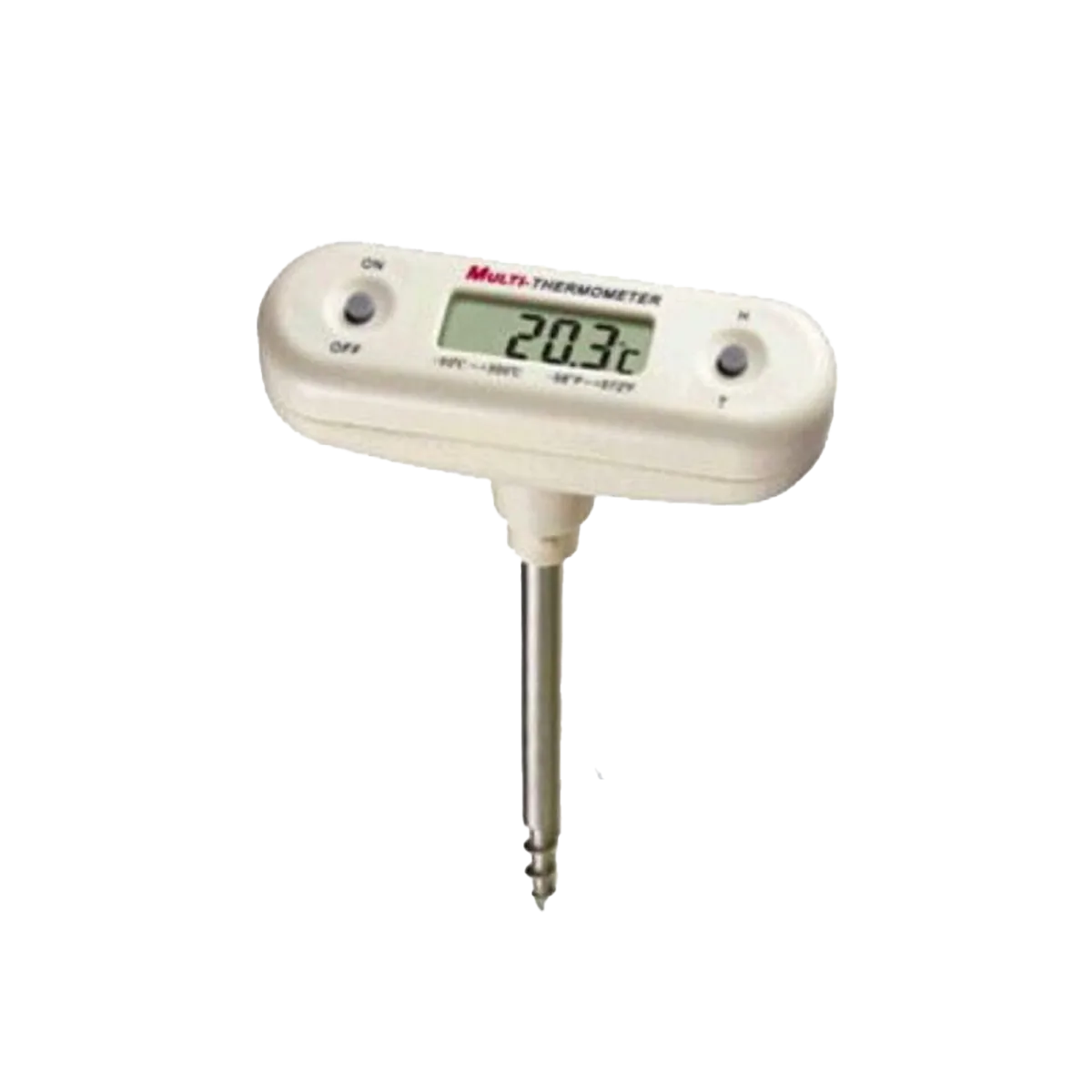 Termometreler
 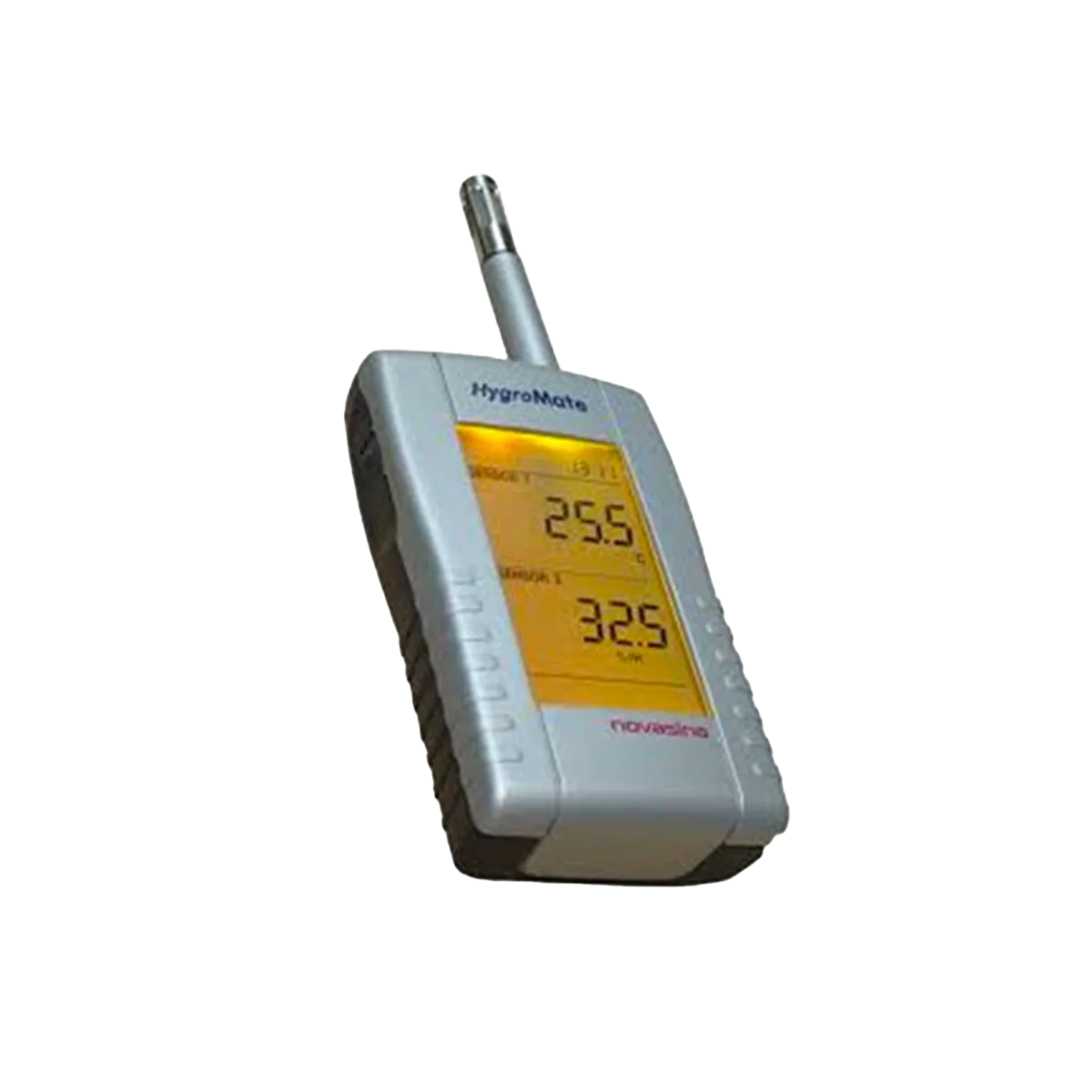 Nem Ölçerler
 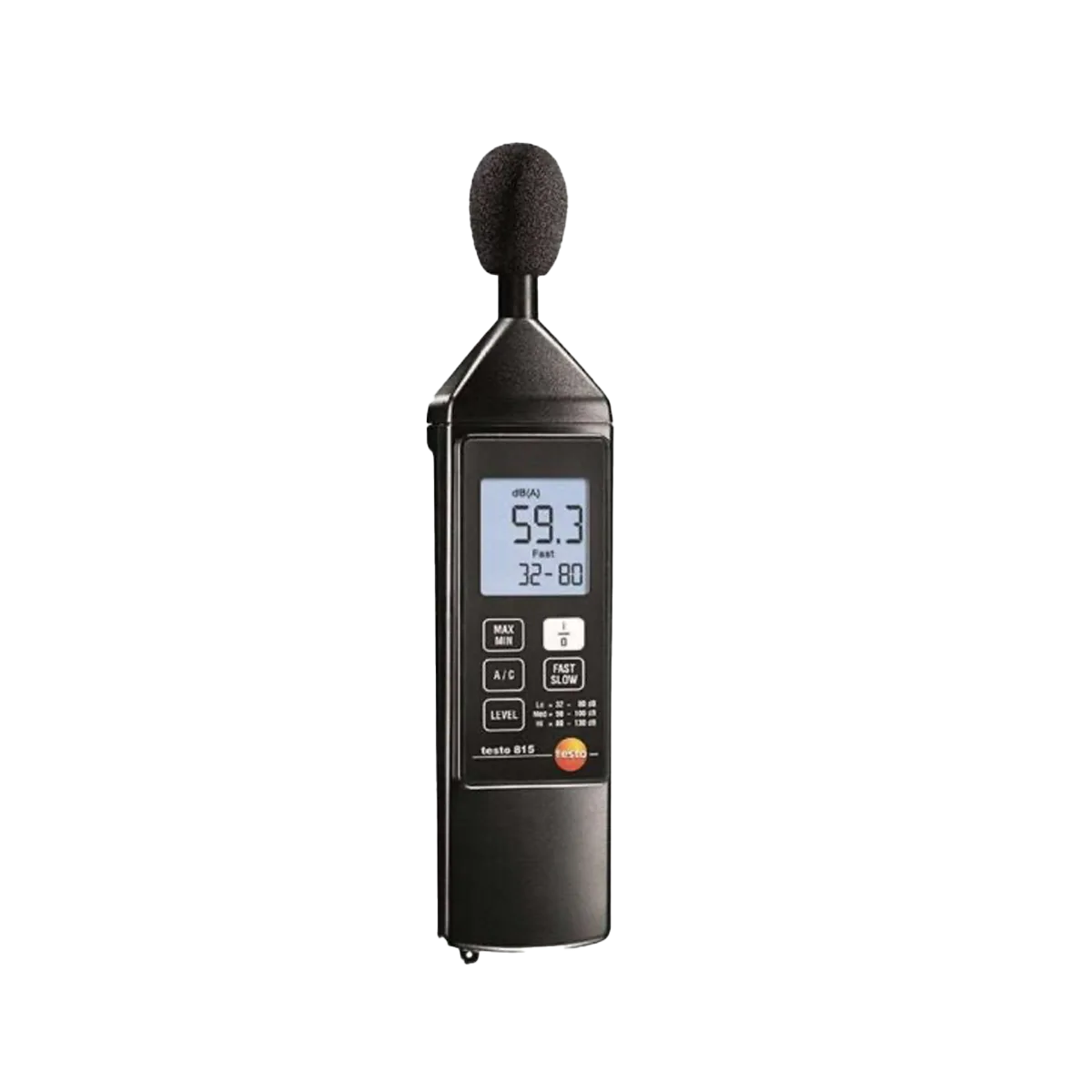 Gürültü Ölçerler
 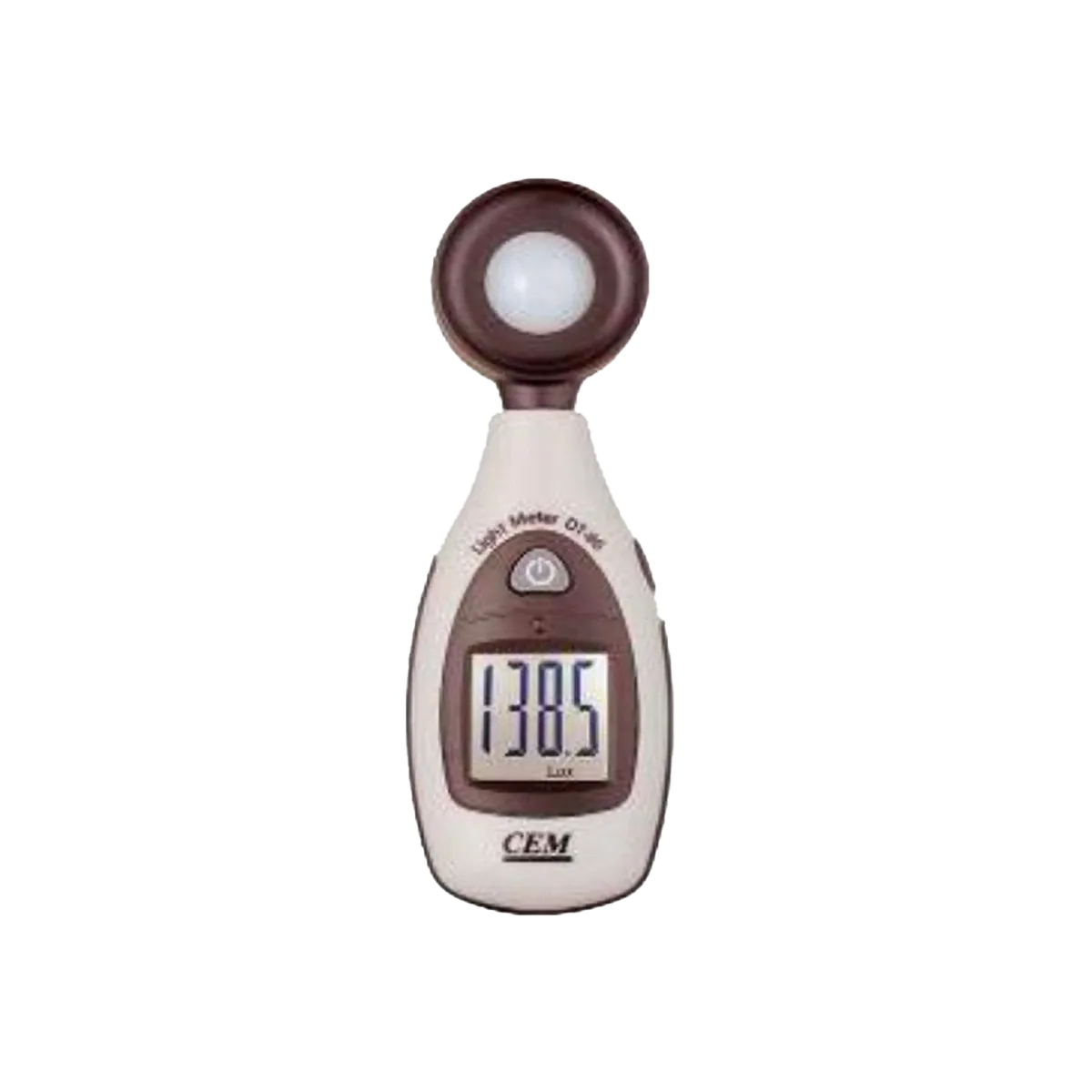 Işık Şiddeti Ölçerler – Luxmetre
 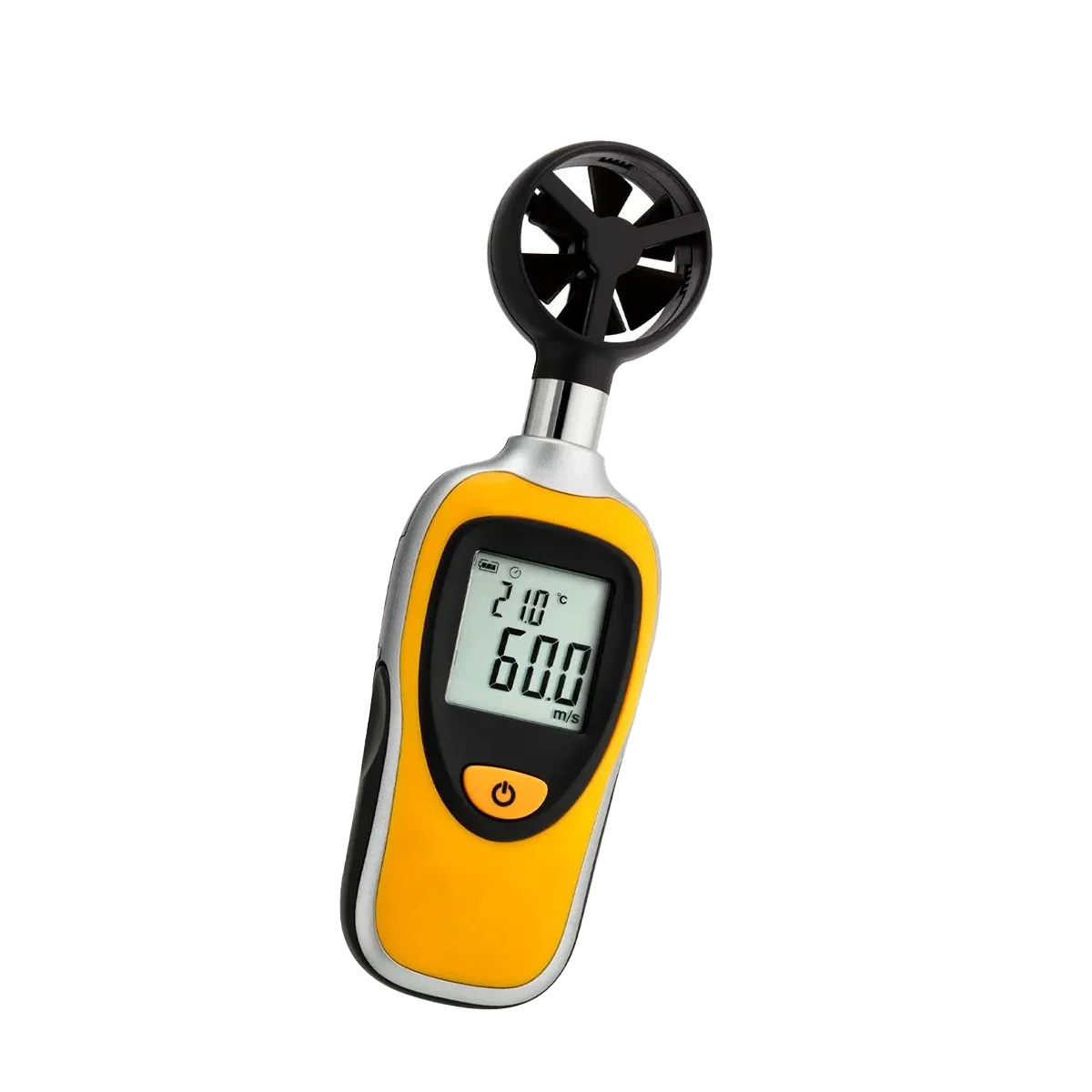 Hava Hızı – Anemometre
 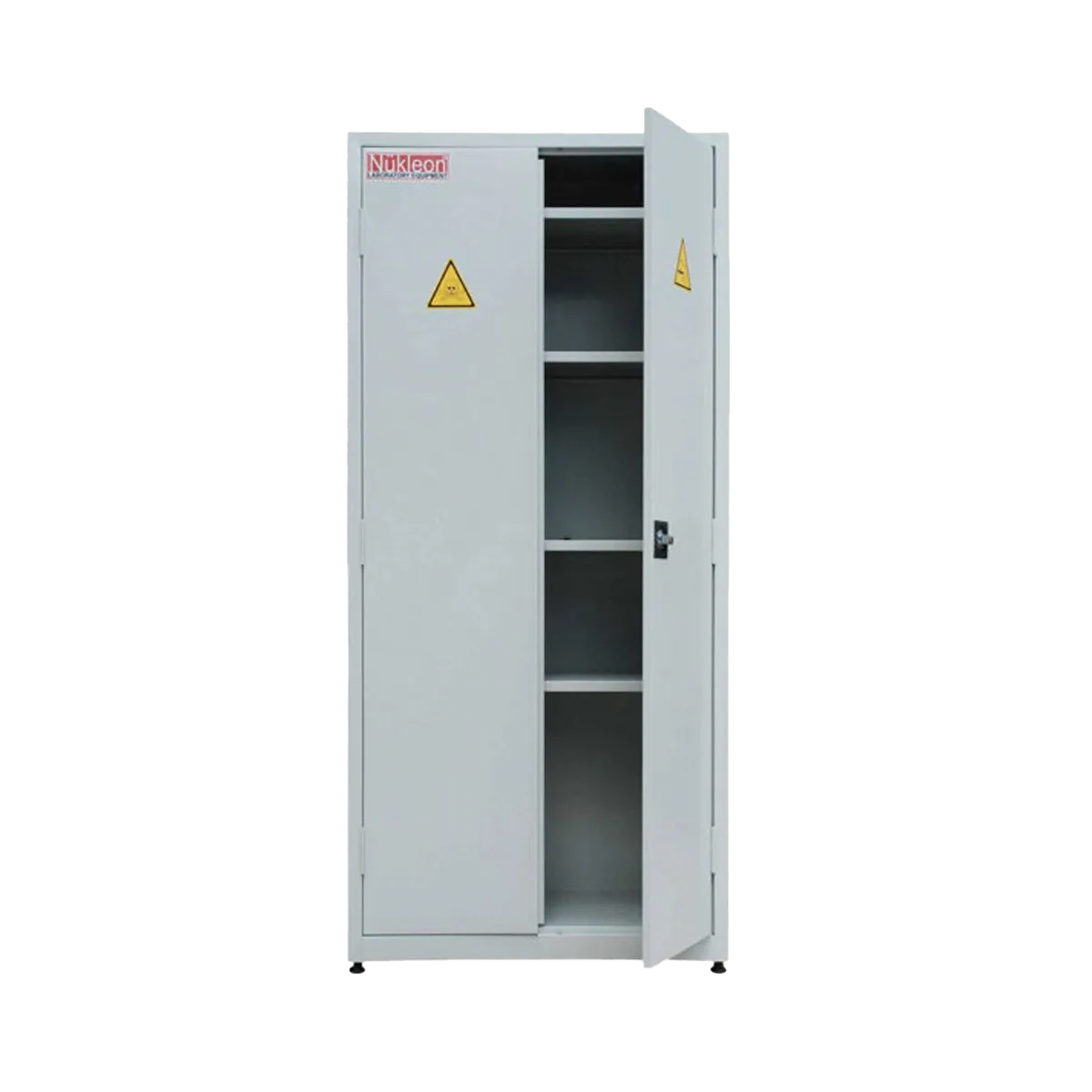 Kimyasal Saklama Dolabı
 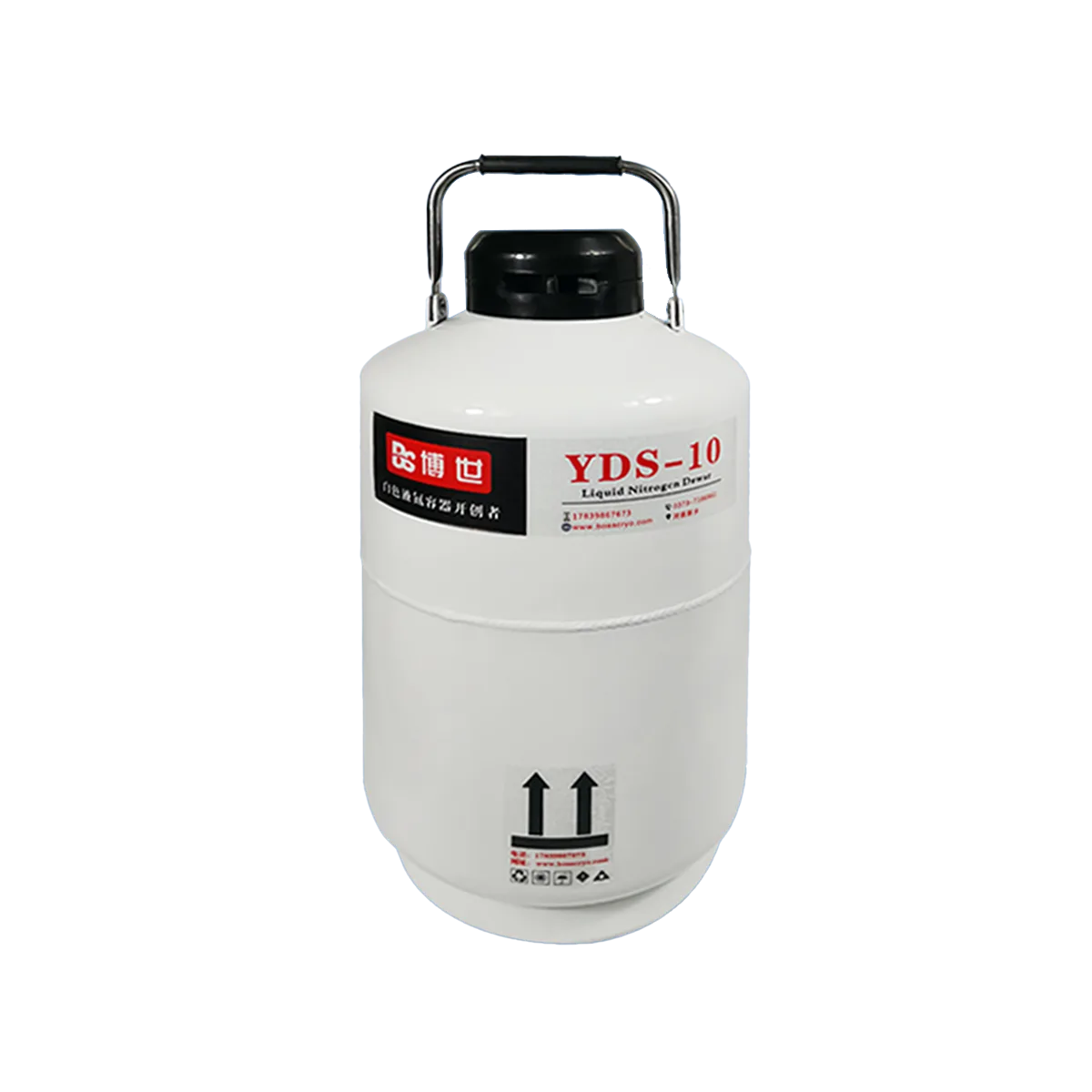 Sıvı Azot Saklama Tankı
 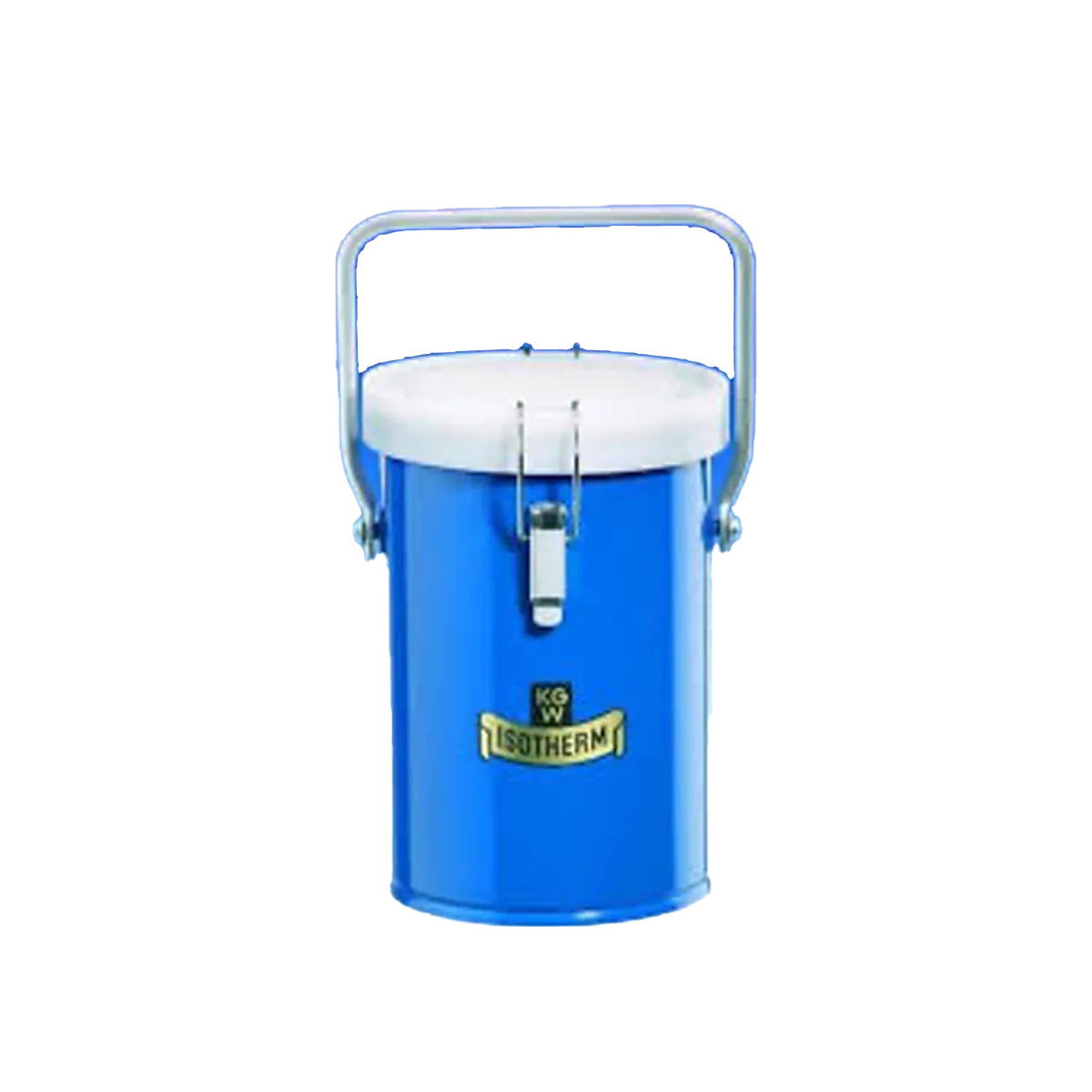 Dewar Kapları
 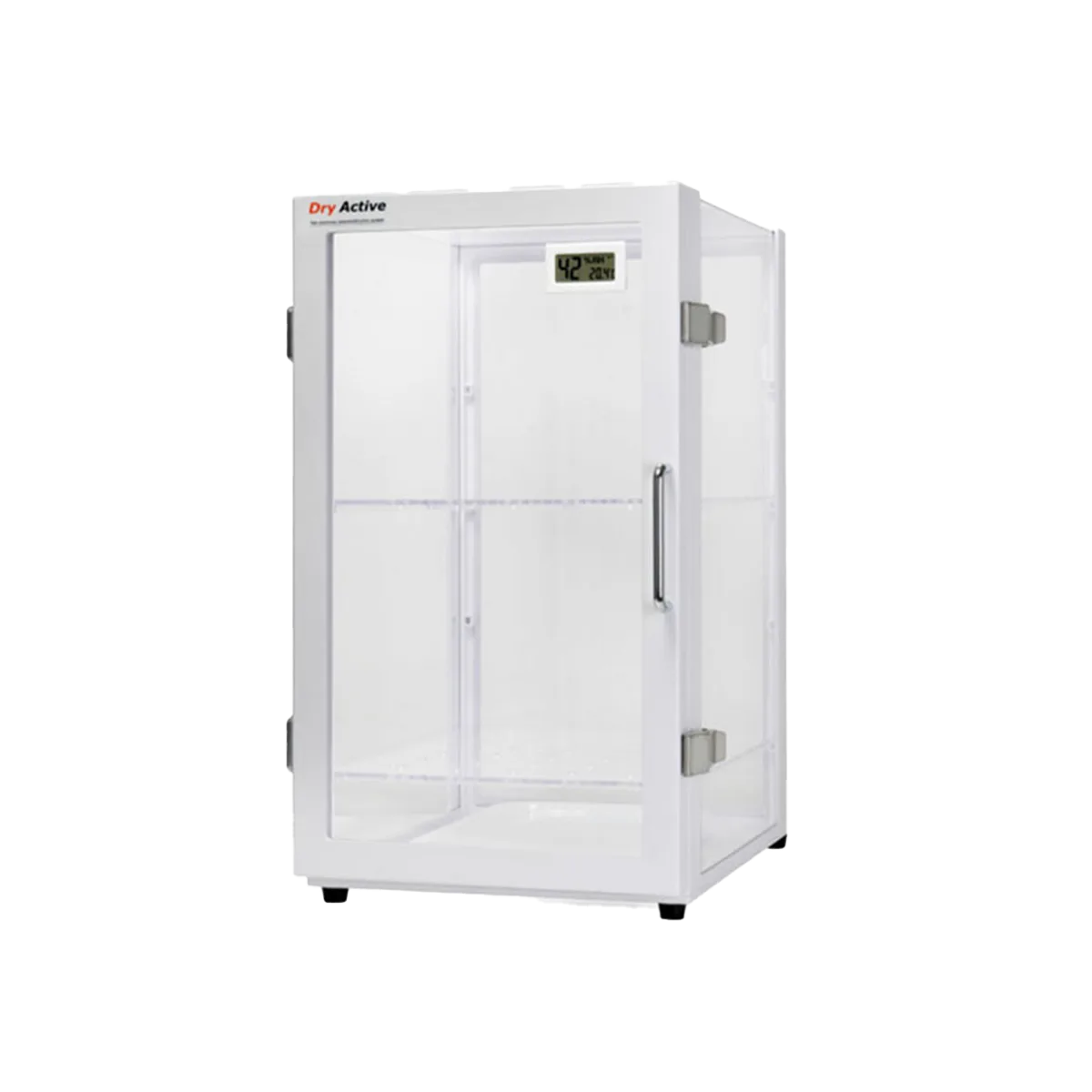 Desikatör Kabinleri
 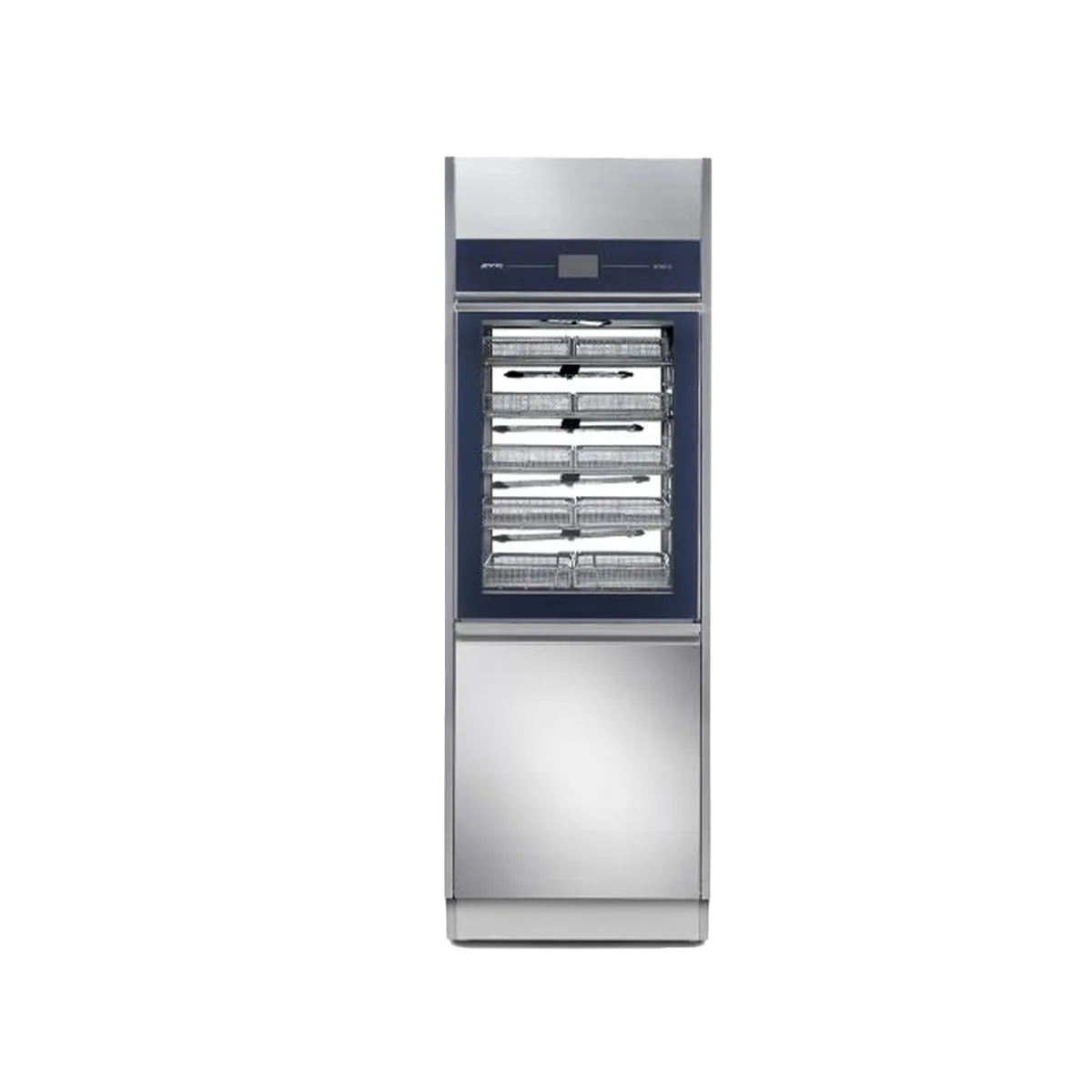 Laboratuvar Tipi Yıkama Cihazları
  Ultrasonik Banyo
  Dezenfektanlar
  Test Ölçü Ve Kontrol Sistemleri