

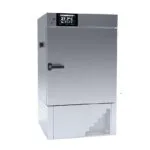
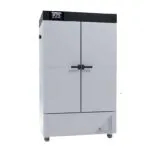


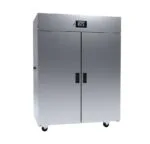
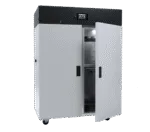
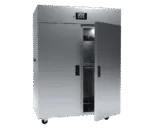
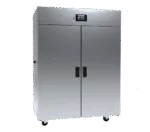
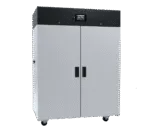


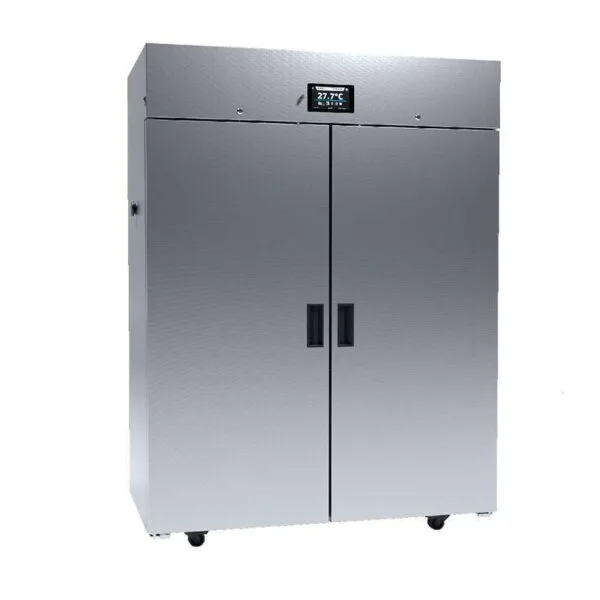
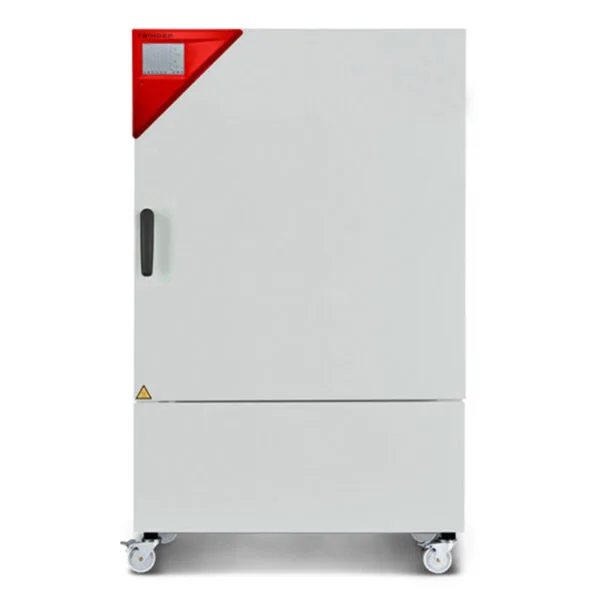
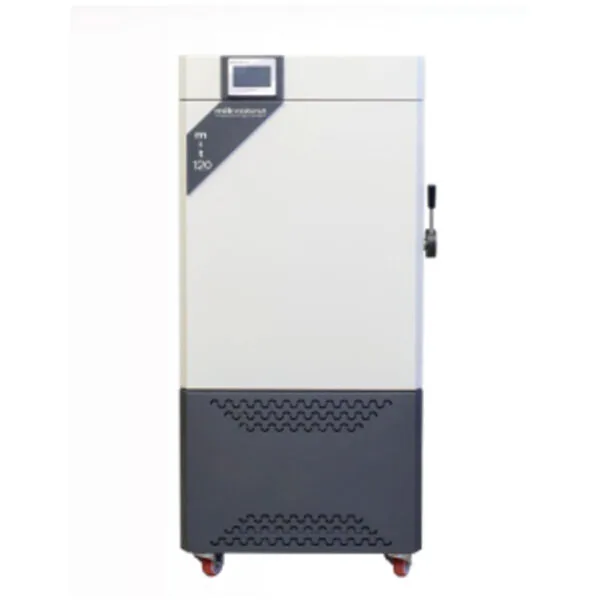
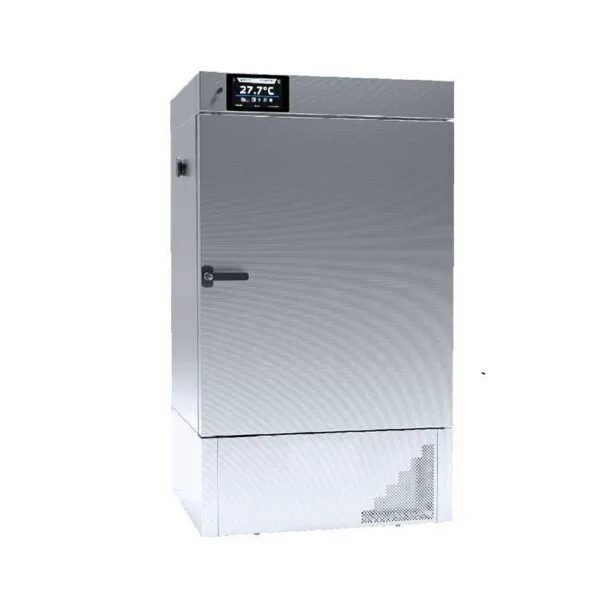
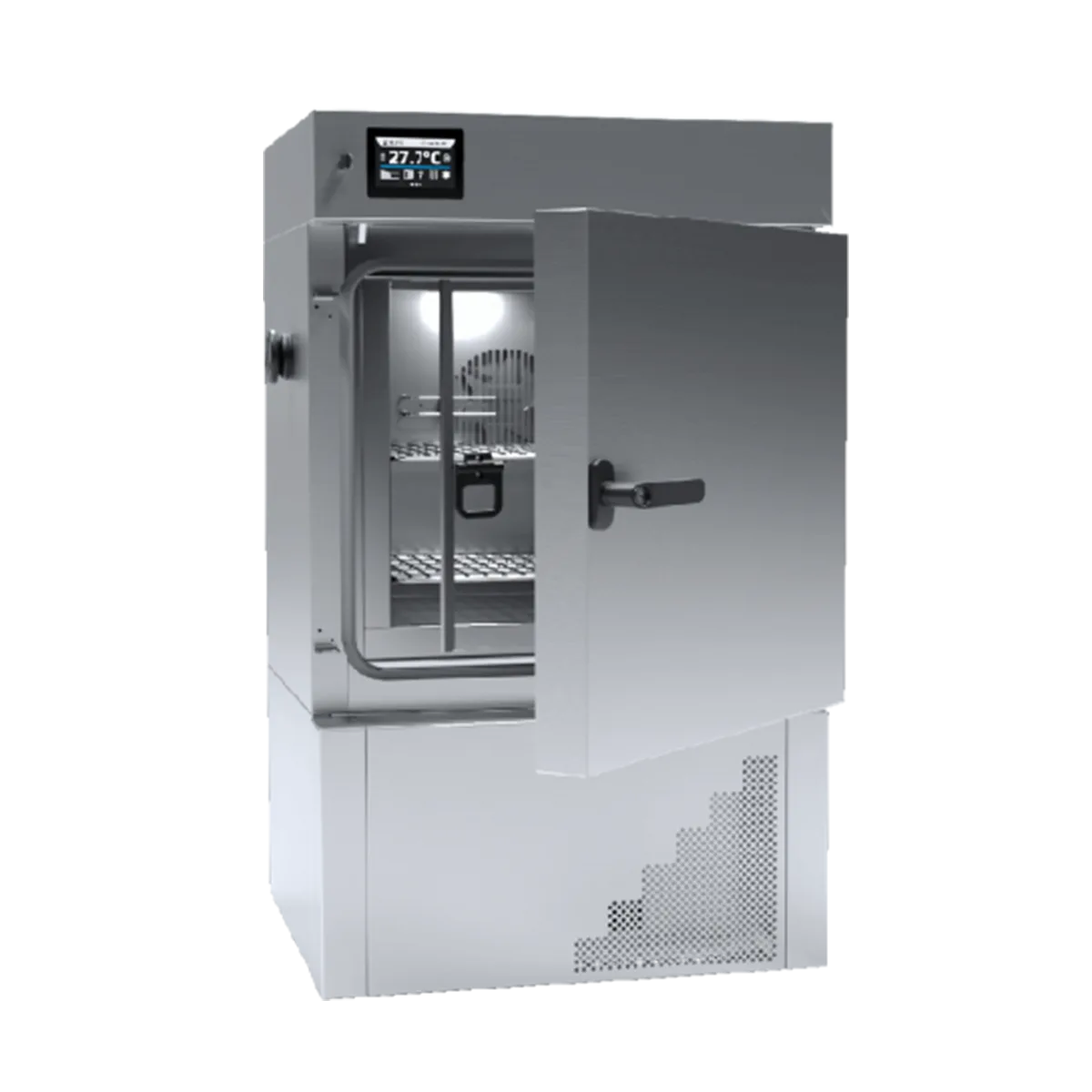
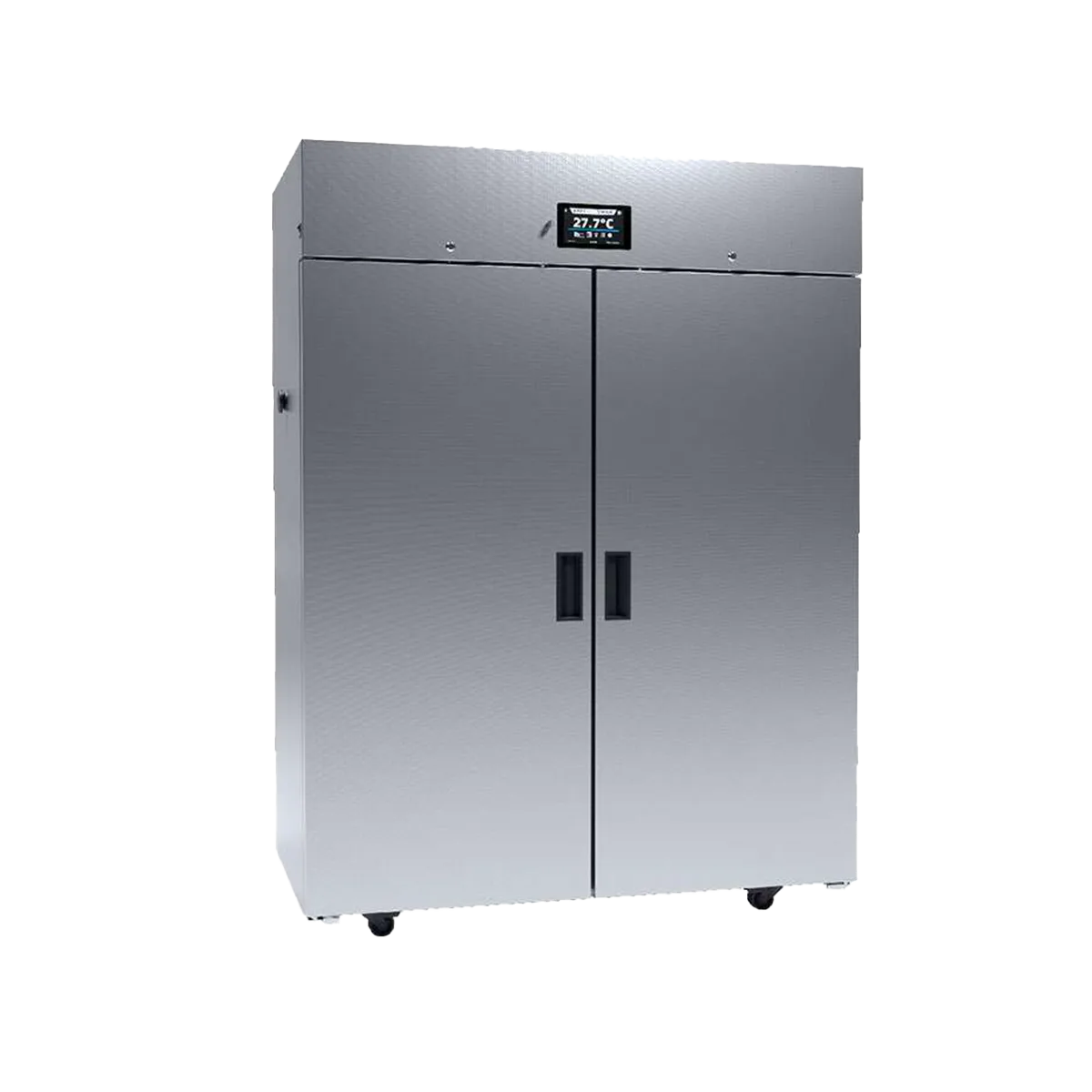
The Climate Chamber is engineered to simulate real climatic conditions by controlling temperature, humidity, and day-night light cycles. The MBB Series is designed for plant cultivation, seed germination, plant acclimatization to new environmental conditions, cell and tissue culture production, plant genetic research, cell and protoplasm culture, insect incubation, and breeding applications. The KK1450 represents the largest ultrasonic-humidified model, offering 1450 liters of controlled growth space for high-capacity research operations.
Technical Specifications
| Model | KK1450 |
|---|---|
| Chamber Type | Ultrasonic Humidification (KK Series) |
| Internal Volume | 1450 liters |
| Temperature Range | 0°C to +60°C |
| Temperature Range (FIT Version with Lighting) | +10°C to +50°C |
| Relative Humidity Range | Zone A |
| Water Supply Requirements | Deionized water (<1 µS/cm conductivity) |
| Water Source Options | Deionized water reservoir (included), internal deionized water network, or ion exchanger |
| Drainage System | Included container or external drainage system |
| Power Supply | 230V 50-60Hz |
| Humidification Technology | Piezo-electric ultrasonic generator with deionized water atomization |
Applications
- Plant and fungal growth cultivation
- Seed germination and stratification studies
- Microorganism and insect breeding programs
- Photostability testing of pharmaceuticals and cosmetics
- Food preservation and shelf-life testing
- Stability testing for packaging and electronic components
- Building material testing and durability assessment
- Cell and tissue culture production
- Plant genetic research and acclimatization trials
- High-capacity research requiring stable temperature and humidity environments
Frequently Asked Questions
What is the difference between KK ultrasonic and KKS steam humidification systems?
KK chambers use piezo-electric ultrasonic humidifiers that convert electrical energy into mechanical vibrations, producing fine aerosol mist. KKS chambers employ steam generators and do not emit ultrasonic waves, making them suitable for insect breeding (e.g., Drosophila melanogaster). KKS models also offer wider temperature ranges (0°C to +100°C) and are preferred for electronics, plastics, and building materials testing.
What water quality is required for the KK1450?
The KK1450 requires deionized water with conductivity less than 1 µS/cm. The chamber includes a deionized water reservoir, and can be configured with an internal deionized water network or ion exchanger for continuous operation.
How does the ultrasonic humidification system work?
Piezo-electric generators in the ultrasonic system convert electrical energy into high-frequency mechanical vibrations. These generators are submerged in deionized water, breaking it into ultra-fine droplets that are evenly distributed throughout the chamber, ensuring precise humidity control.
Is the KK1450 suitable for plant breeding research?
Yes, the KK1450 is ideal for plant breeding, genetic research, and acclimatization studies. Its large 1450-liter capacity, precise temperature and humidity control, and optional lighting system make it suitable for developing climate conditions that simulate natural environments.
What applications require the larger KK1450 model over smaller KK variants?
The KK1450 is recommended for high-capacity operations including large-scale plant cultivation, extensive microbial research programs, institutional breeding facilities, and studies requiring extended growth periods with multiple specimen batches simultaneously.

 Dehidre Medyalar
  Petrifilm Hazır Besi Yerleri
  MicroFast Hazır Besi Yerleri
  Xebios Diagnostics Hazır Besi Yerleri
  Mikrobiyolojik Hızlı Testler
  Hava Örnekleme Cihazı
  Numune Homojenizasyon Cihazları
  Numune Torbaları
  Otomatik Dilüsyon Hazırlama Üniteleri
  Steril Dilüsyon Çözeltileri ve Özel Swab Sistemleri
  Membran Filtrasyon Sistemi
  Vorteks Mikser
  İnkübatör
  Fanlı İnkübatör
  Soğutmalı İnkübatör
  Peltier İnkübatör
  CO2 İnkübatör
  BOI inkübatör
  Koloni Sayım Cihazları
  Patojen ve Toksin Test Kitleri
  Real Time PCR
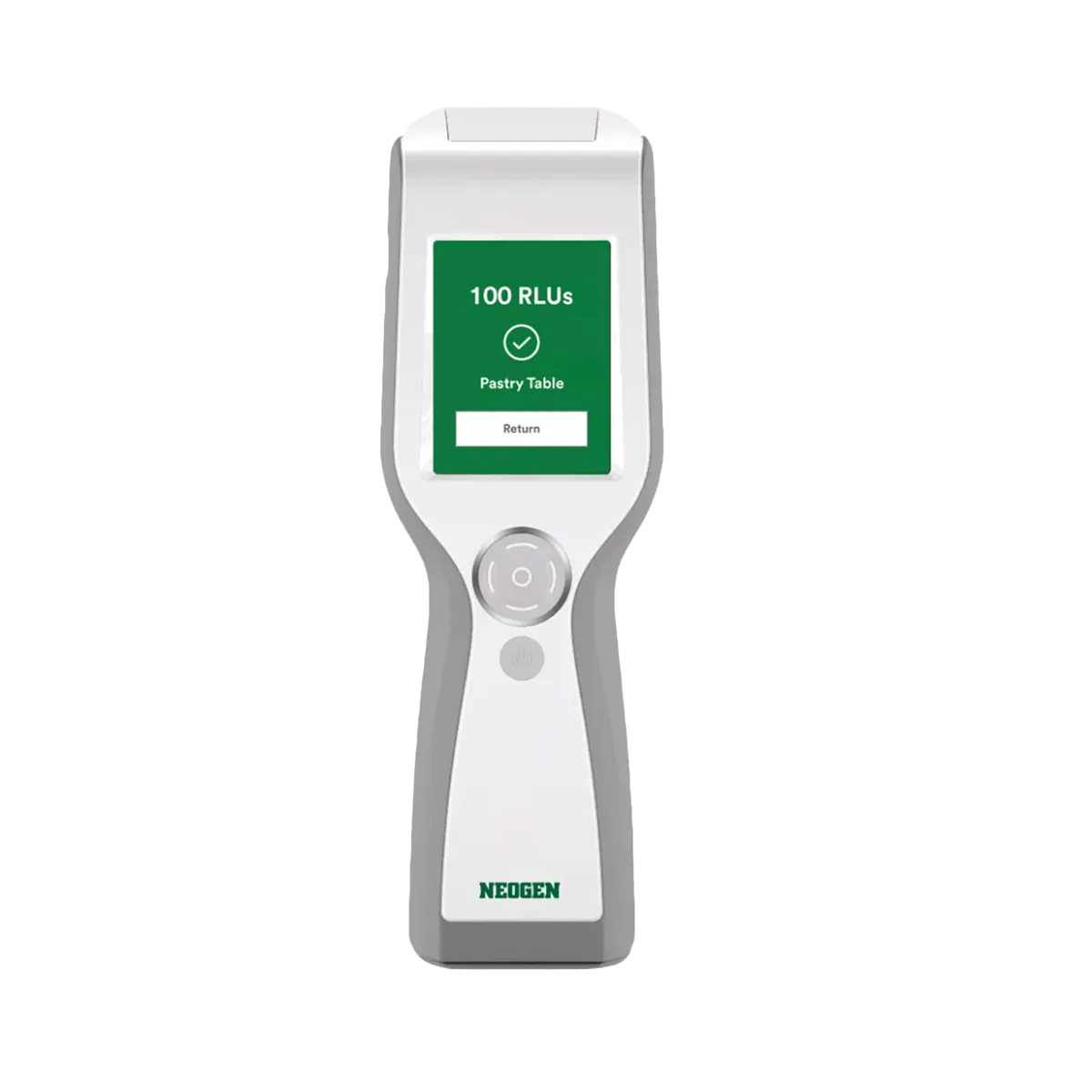 Hijyen Kontrol ve İzleme Sistemleri
 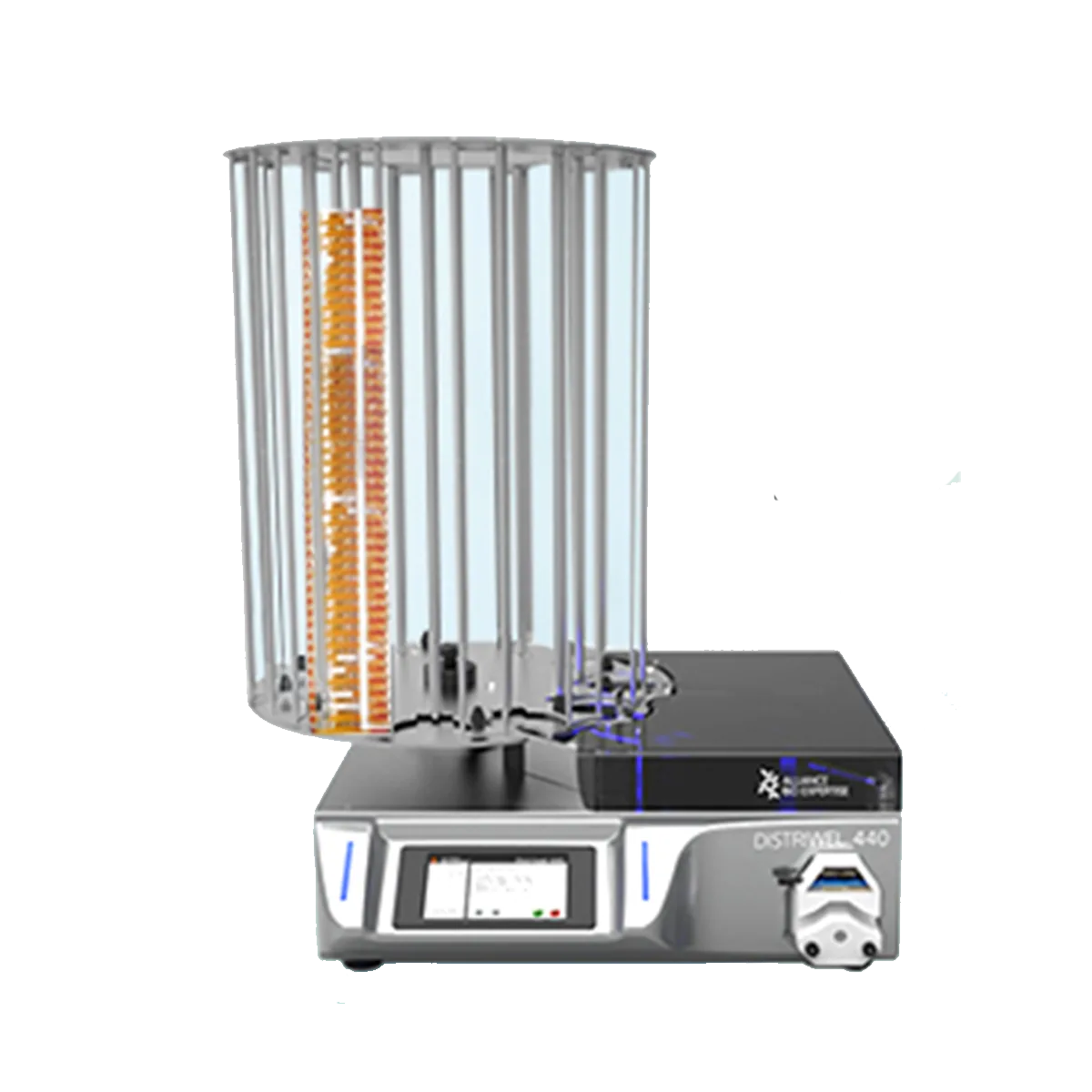 Otomatik Besiyeri Dolum Üniteleri
 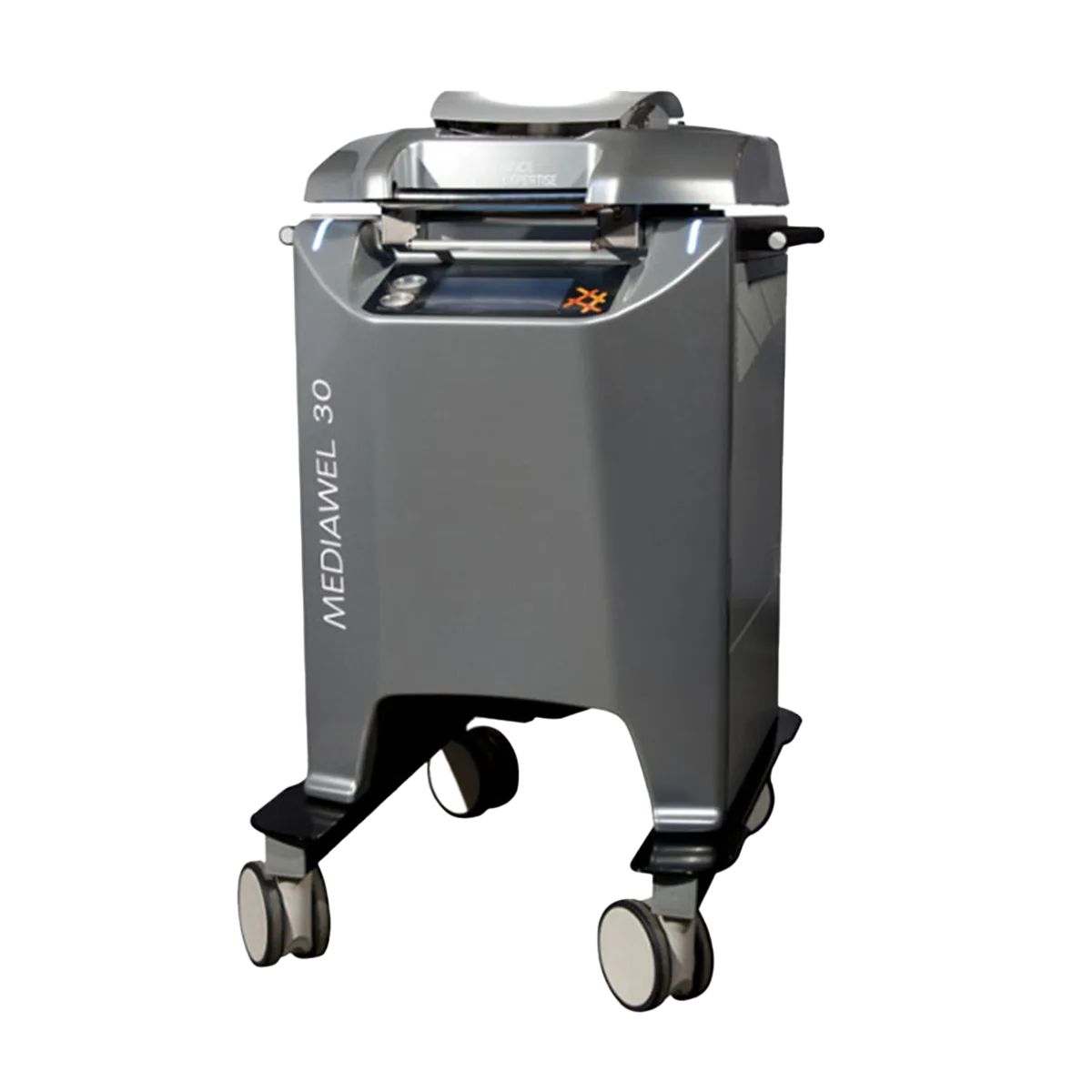 Otomatik Besiyeri Hazırlama Üniteleri
 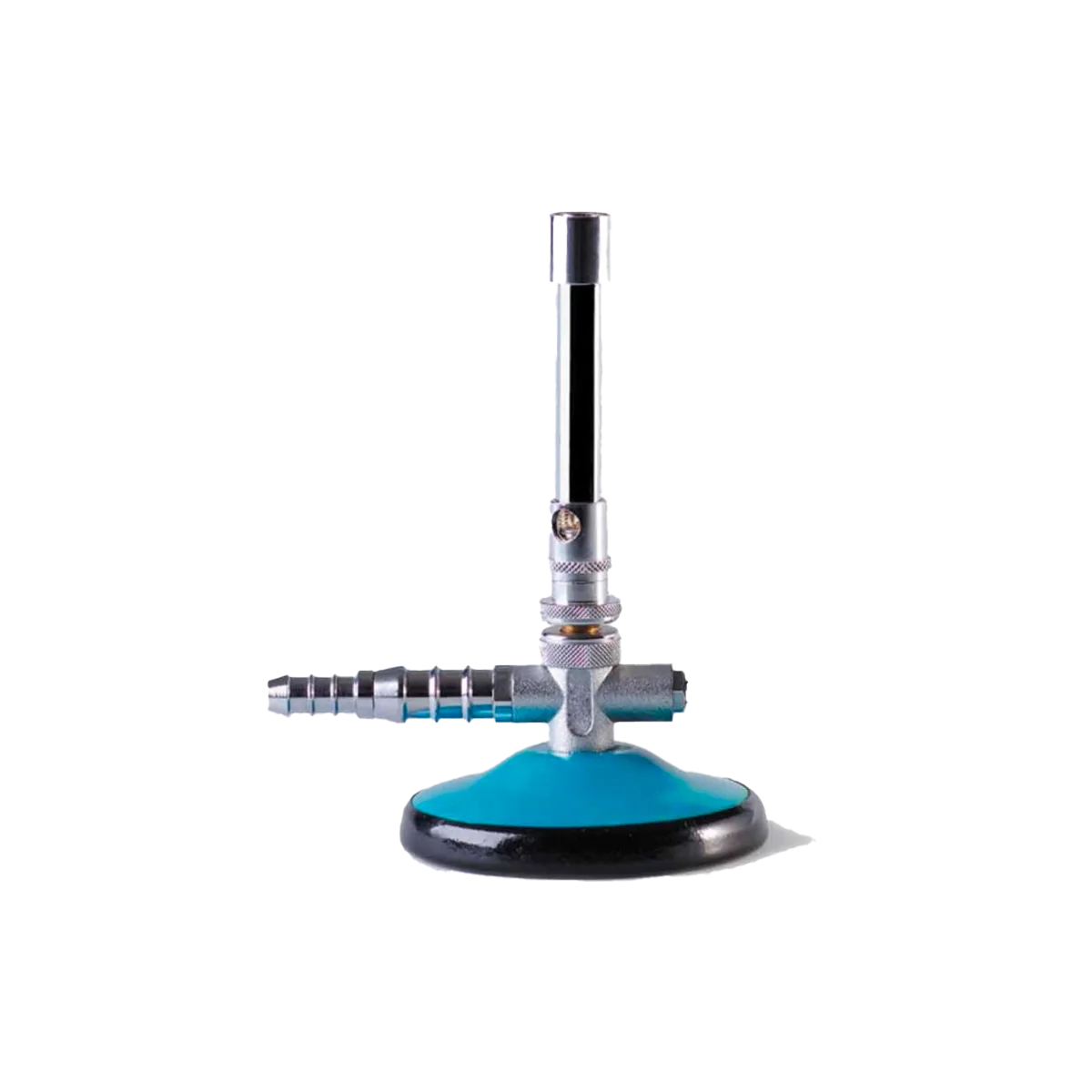 Bunzen Beki
  Otoklav
  Sıcaklık - Sterilizasyon Kontrol İndikatörleri
  UV Sterilizasyon Lambaları
  Laminar Akış Kabinleri
 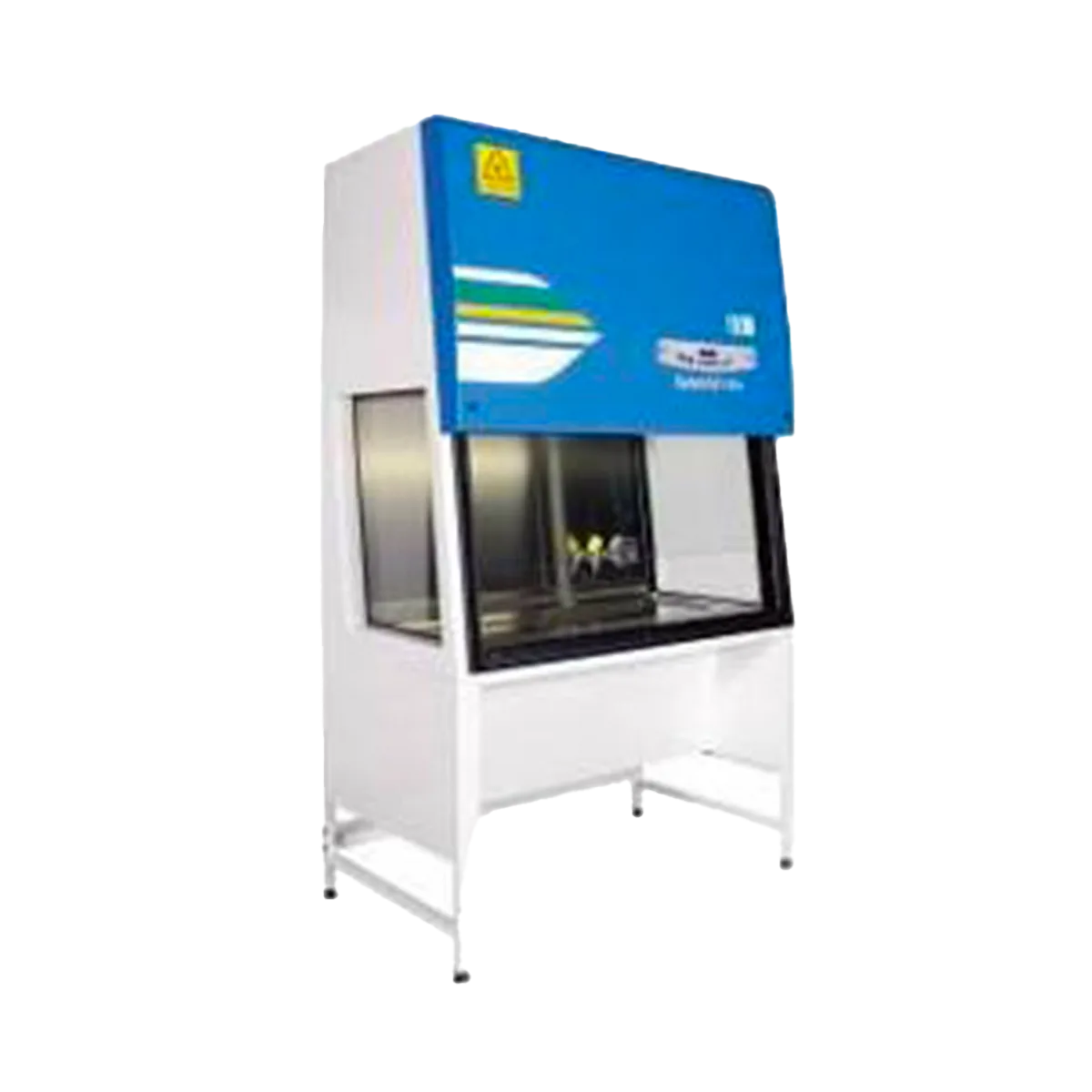 Tip I Biyogüvenlik Kabinleri (BSL-1)
 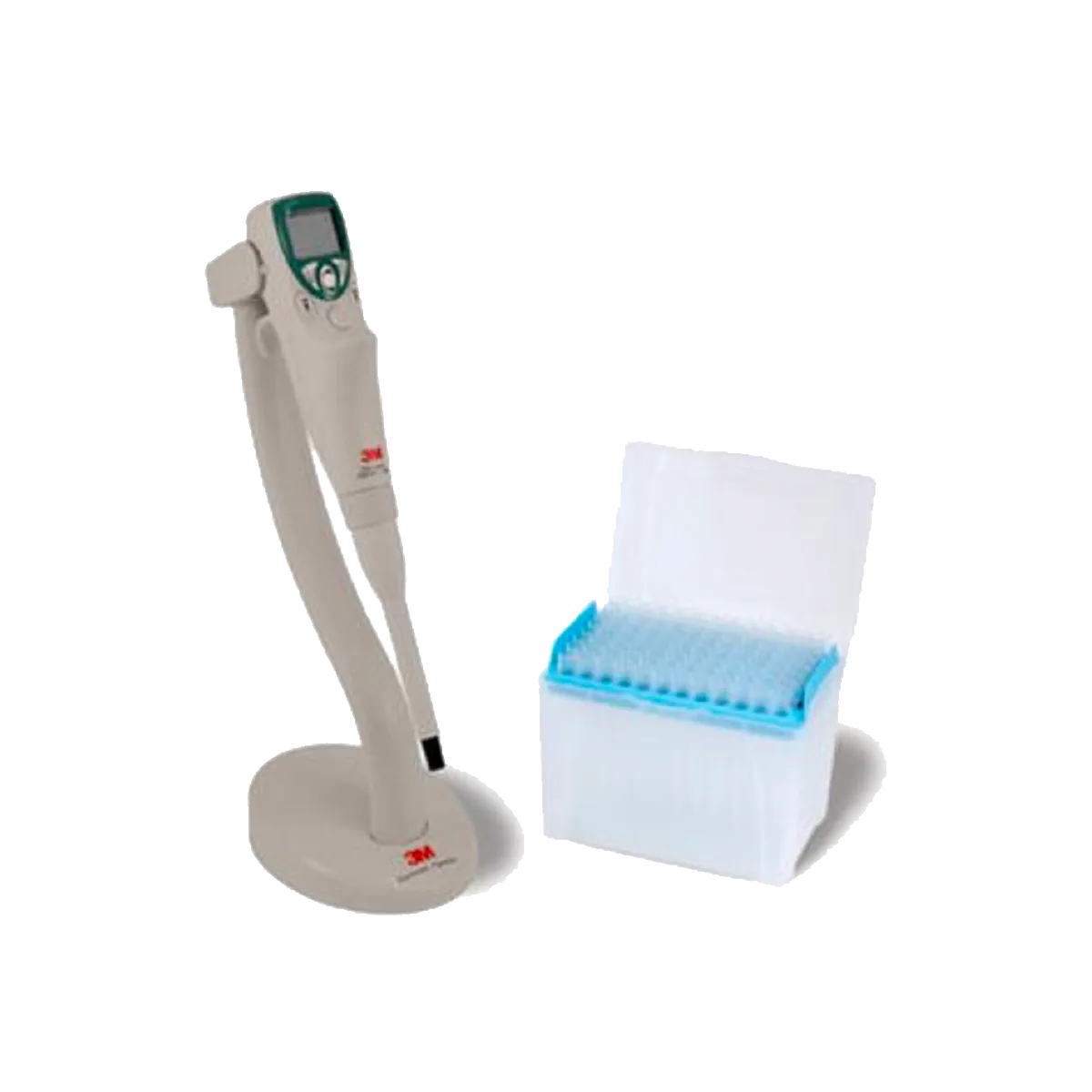 Elektronik pipetler
 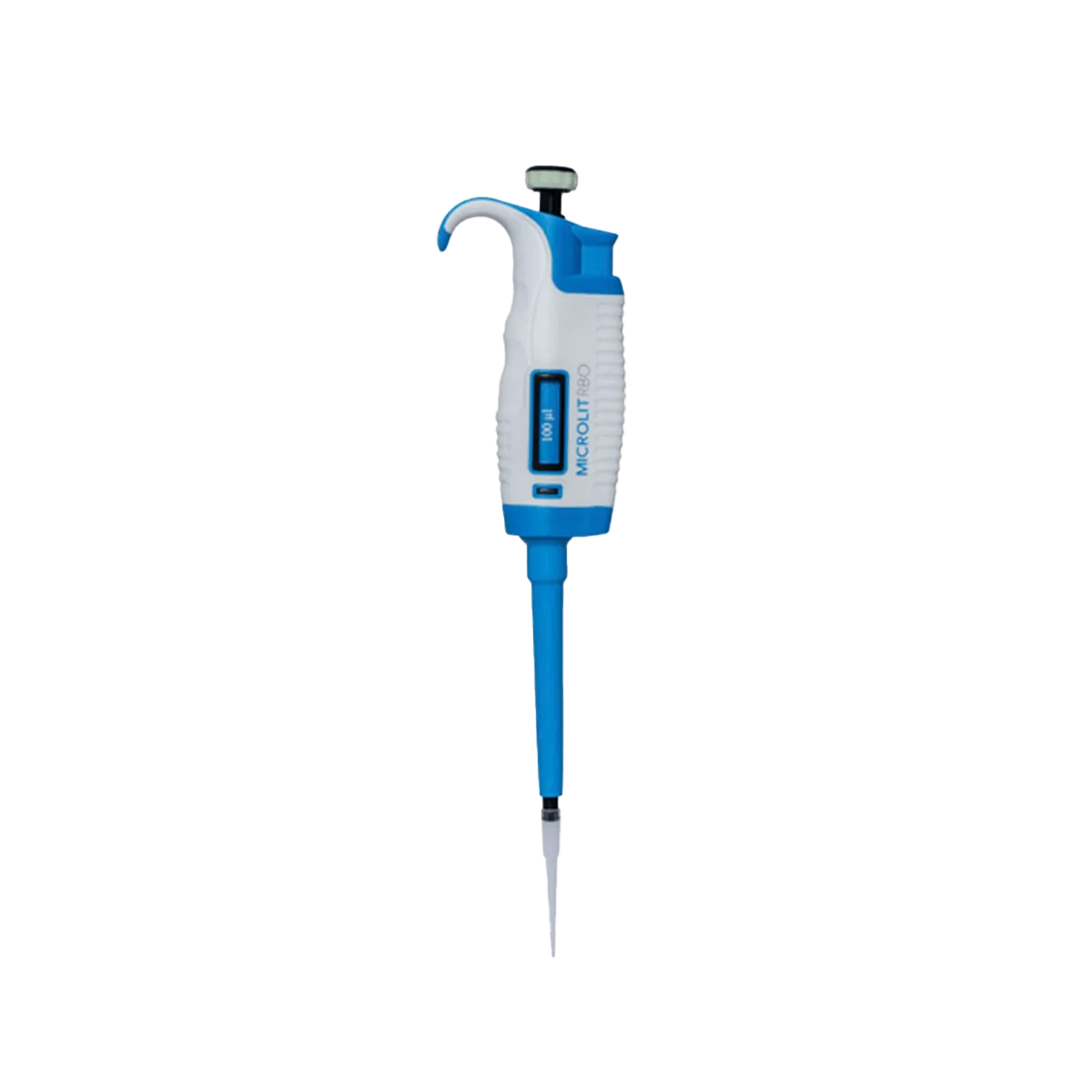 Otomatik pipetler
 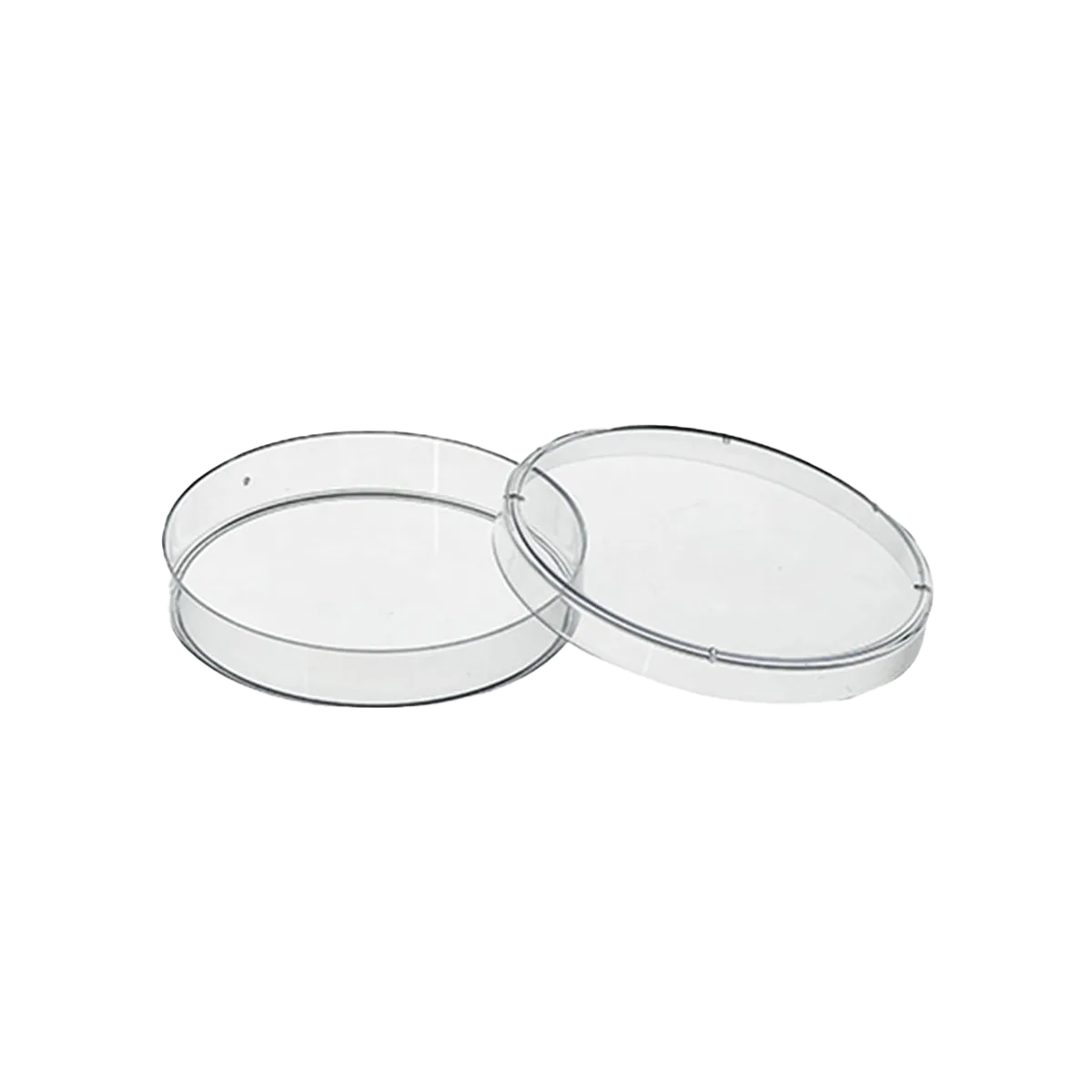 Petri Kapları ve diğer sarflar

 Aflatoksin - Strip Testler
  Aflatoksin - Elisa Kitler
  Aflatoksin Immuno Affinity Kolon
  Katı Mikotoksin Standartları
  Alerjen - Strip Testler
  Alerjen - Elisa Kitler
  GDO - Strip Testler
  GDO - Elisa Kitler
  GDO PCR Kitleri
  GDO Sarf Malzemeler
  Antibiyotik Test Kiti
  Özel Kabinler
  Sitotoksik Güvenlik Kabinleri
  AFG Scientific
  Enzim
Enzim  Kimyasallar
  Hücre Kültürü
  Nükleik Asit Saflaştırma
  PCR
PCR  Western Blotting
  Biyokimya Analizörleri
  Elisa Plate Okuyucular
  Elisa Plate Yıkayıcılar
  Covid 19 testleri
  Kalibrasyon Standartları ve Çözeltileri
  ChemWell ichem Kitleri
  Örnek Saklama Kutuları ve Kapları
 Ambalaj İçerisinden Gaz Analizleri (MAP)
  Anne Sütü Analiz Cihazı
  Çikolata Temperleme Ölçüm Cihazı
  Fotometre Cihazları
  Kızartma yağı testleri
  Nem Ölçüm Cihazları
  Silt Yoğunluk İndeksi (SDI) Test Cihazları
  Su Aktivitesi (aw) Ölçüm Cihazı
 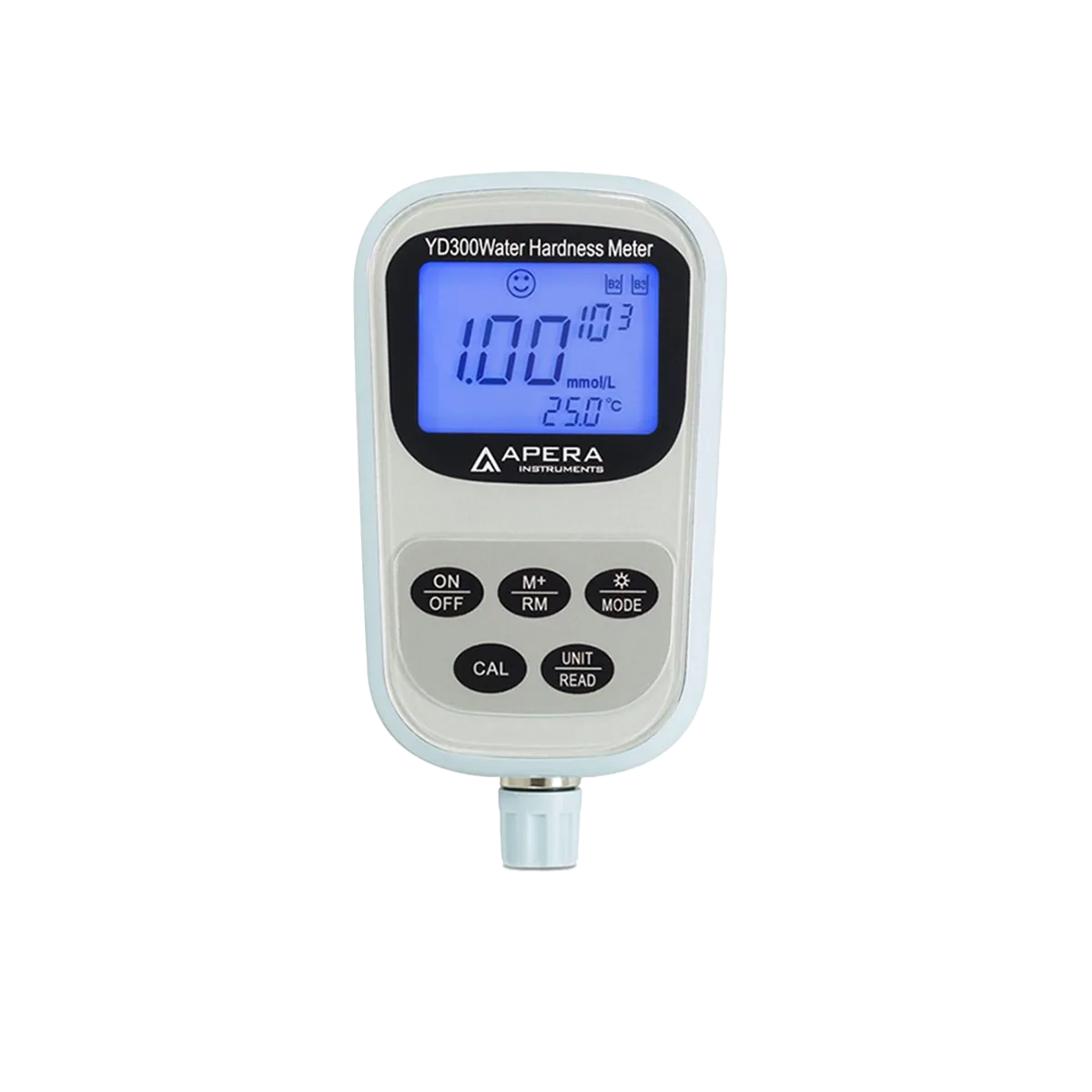 Su Sertliği
 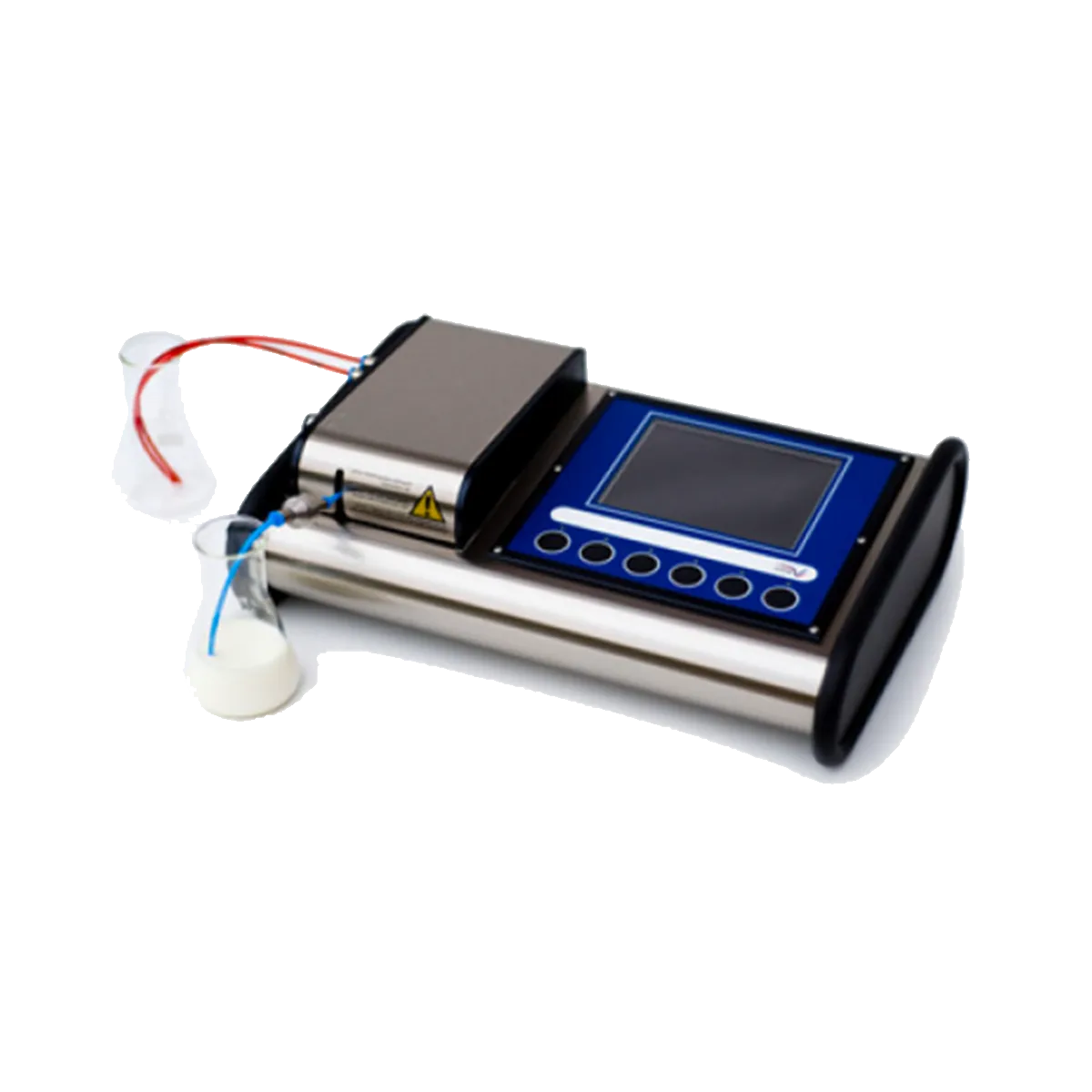 Süt Analiz Cihazı
 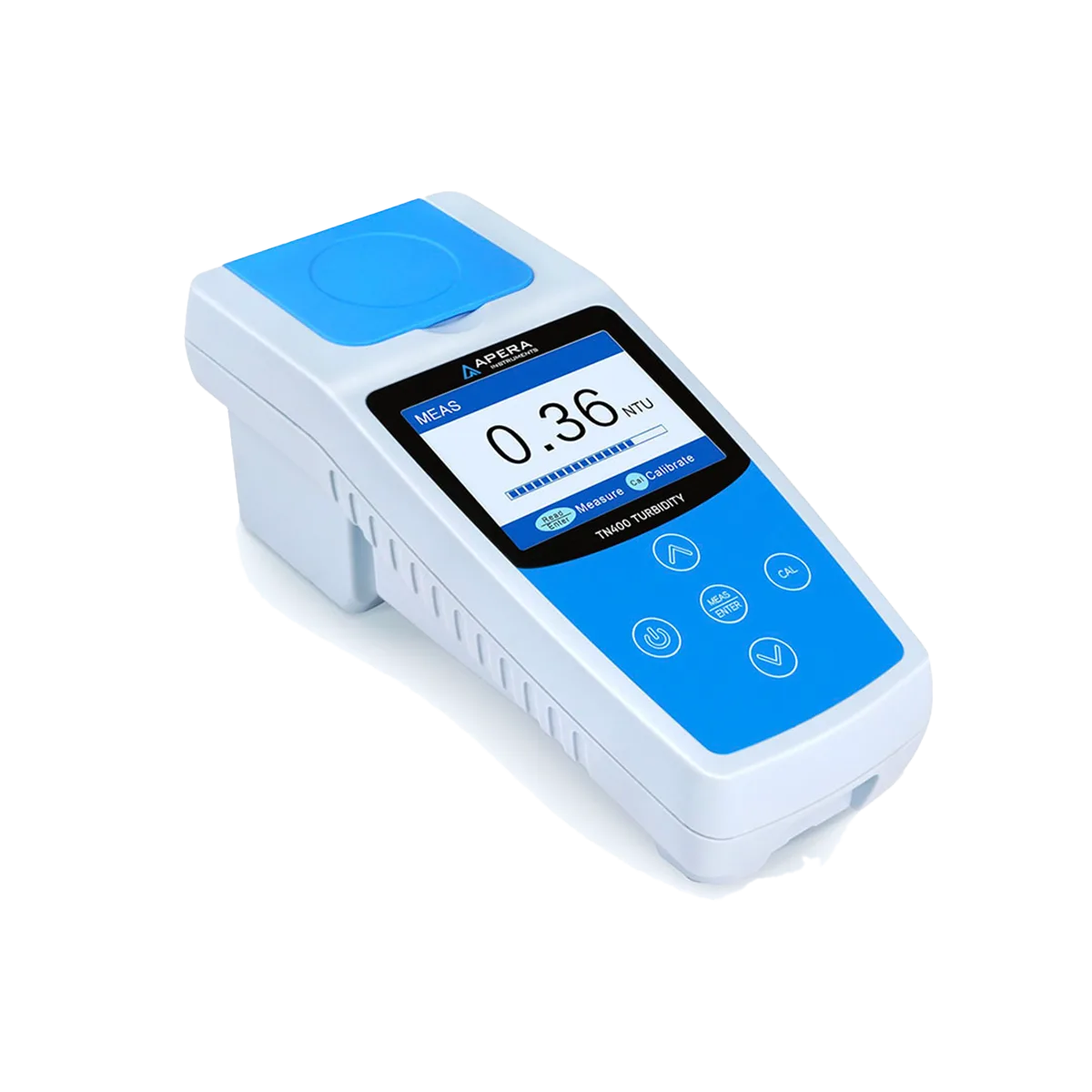 Türbidimetre Cihazları
 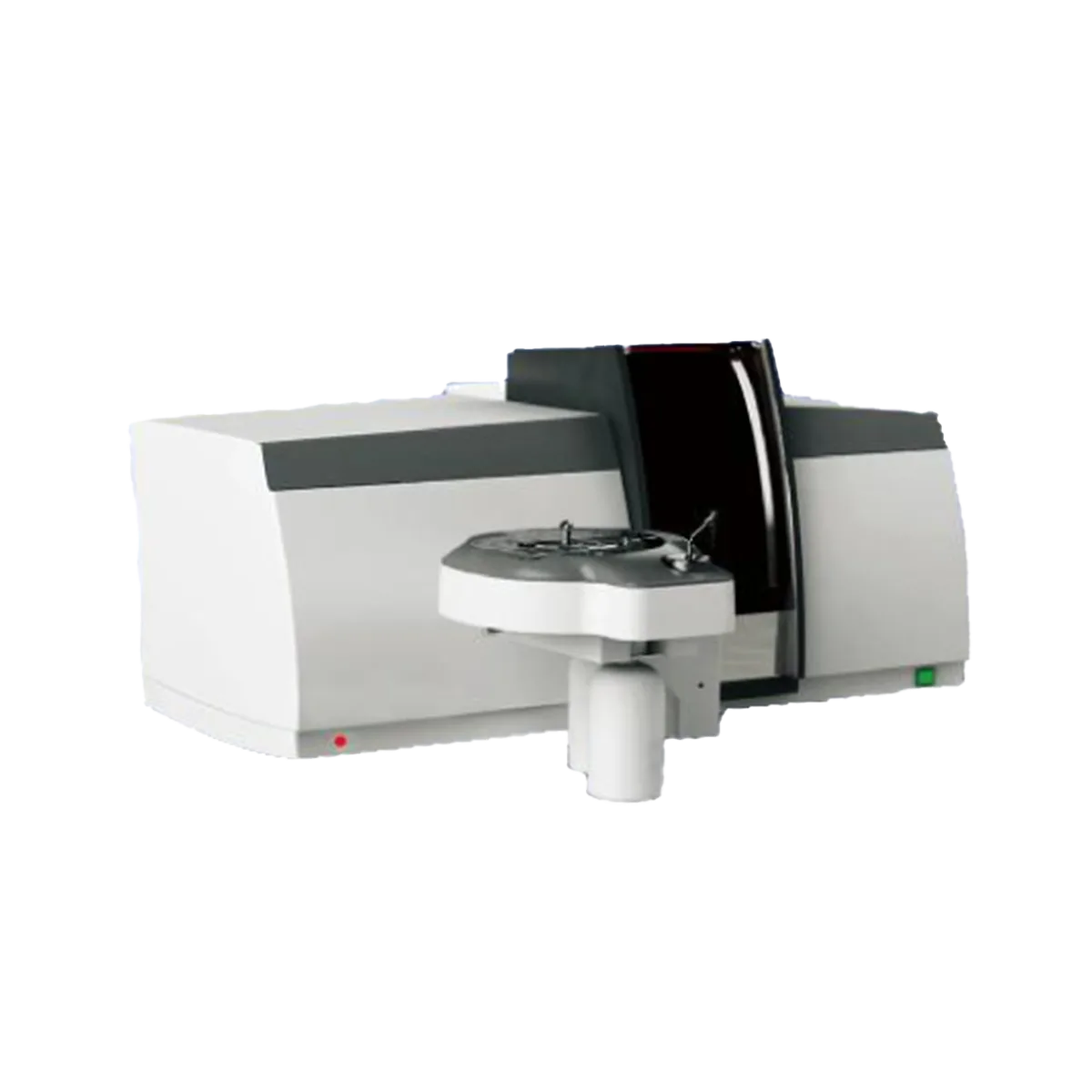 Atomik Absorpsiyon Spektrofotometresi (AAS)
  FT-NIR Spektrofotometre
  Ksenon Spektrofotometre
  Raman Spektrometresi
  UV-Vis Spektrofotometre
 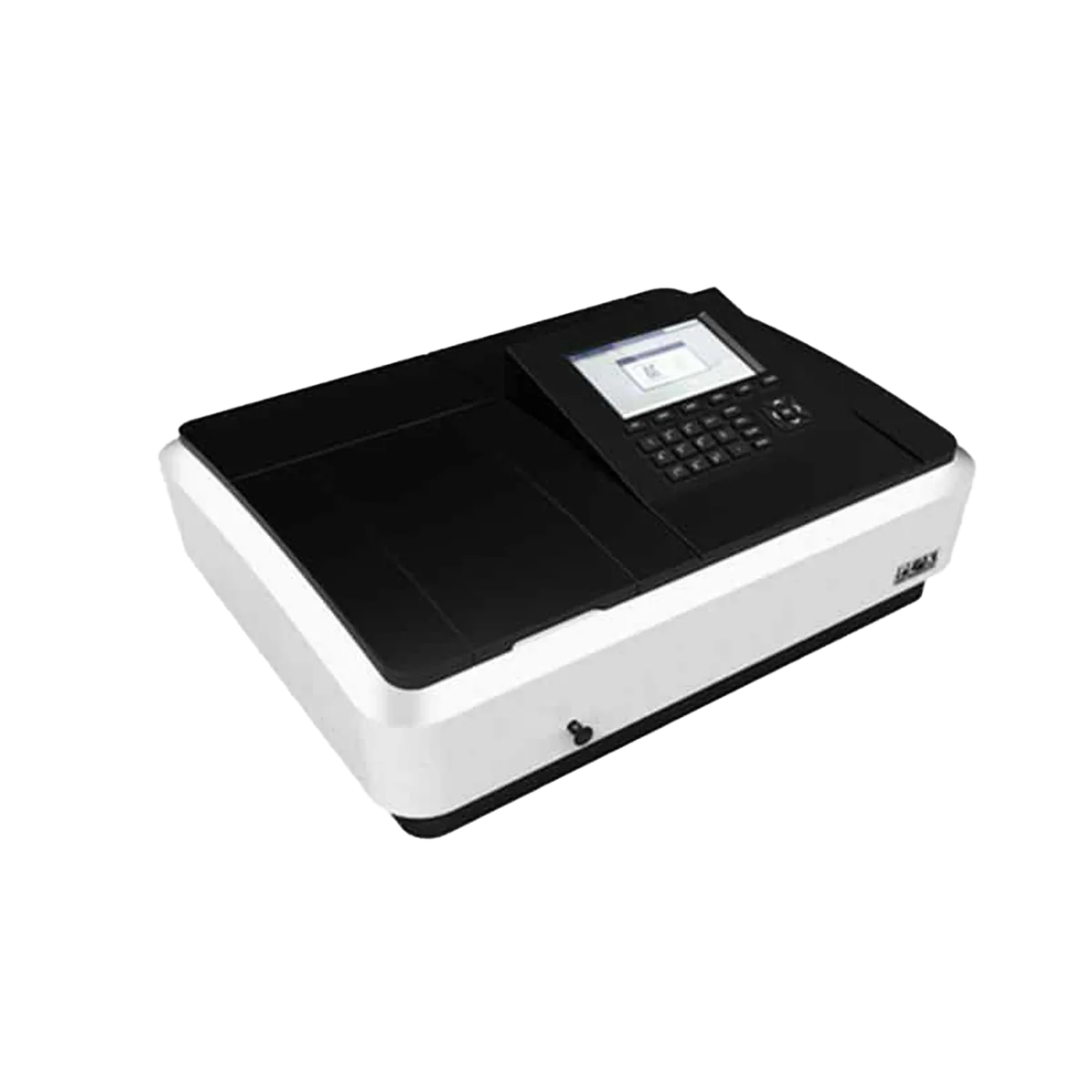 X-Işını Difraksiyon Cihazı (XRD)
 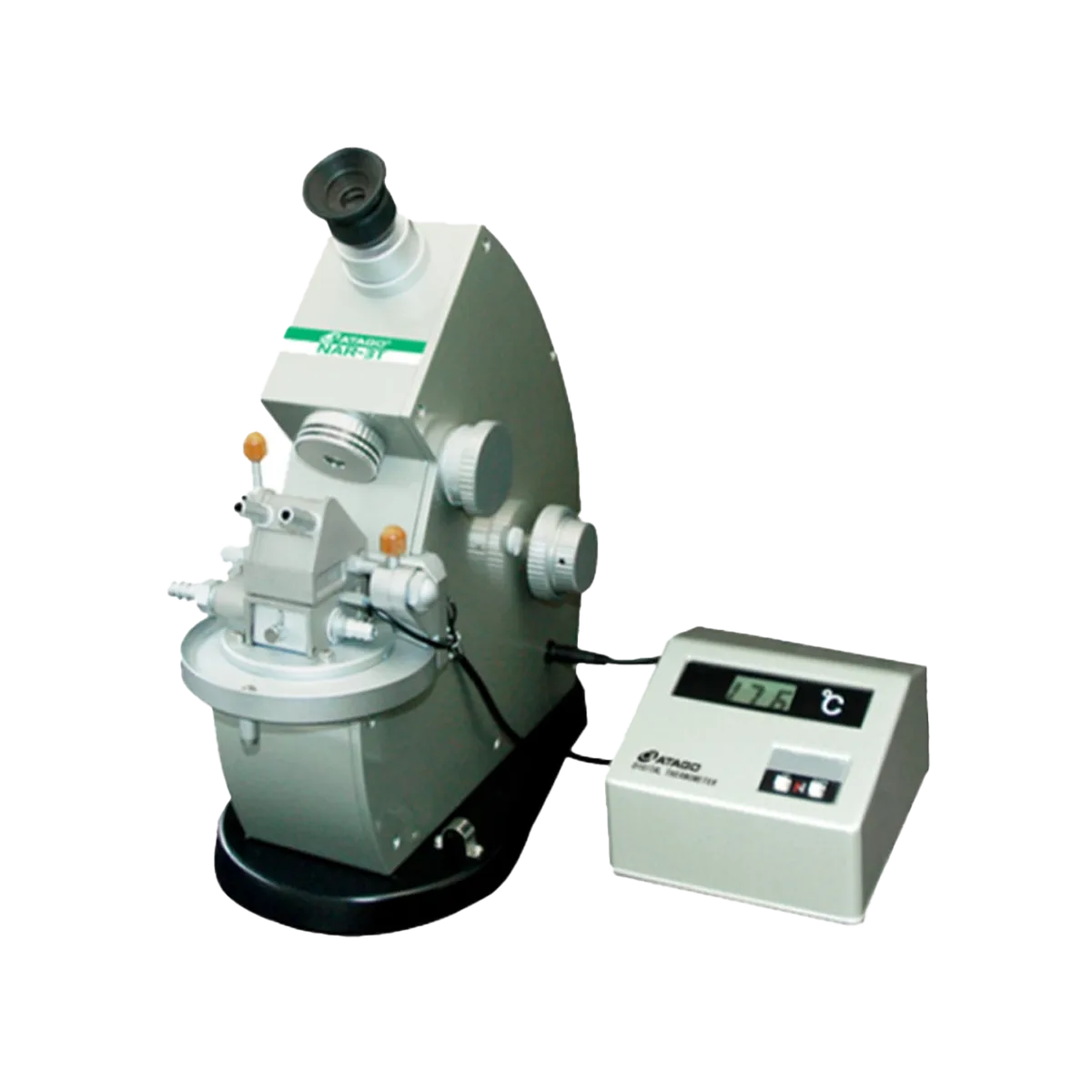 Abbe Refraktometre
 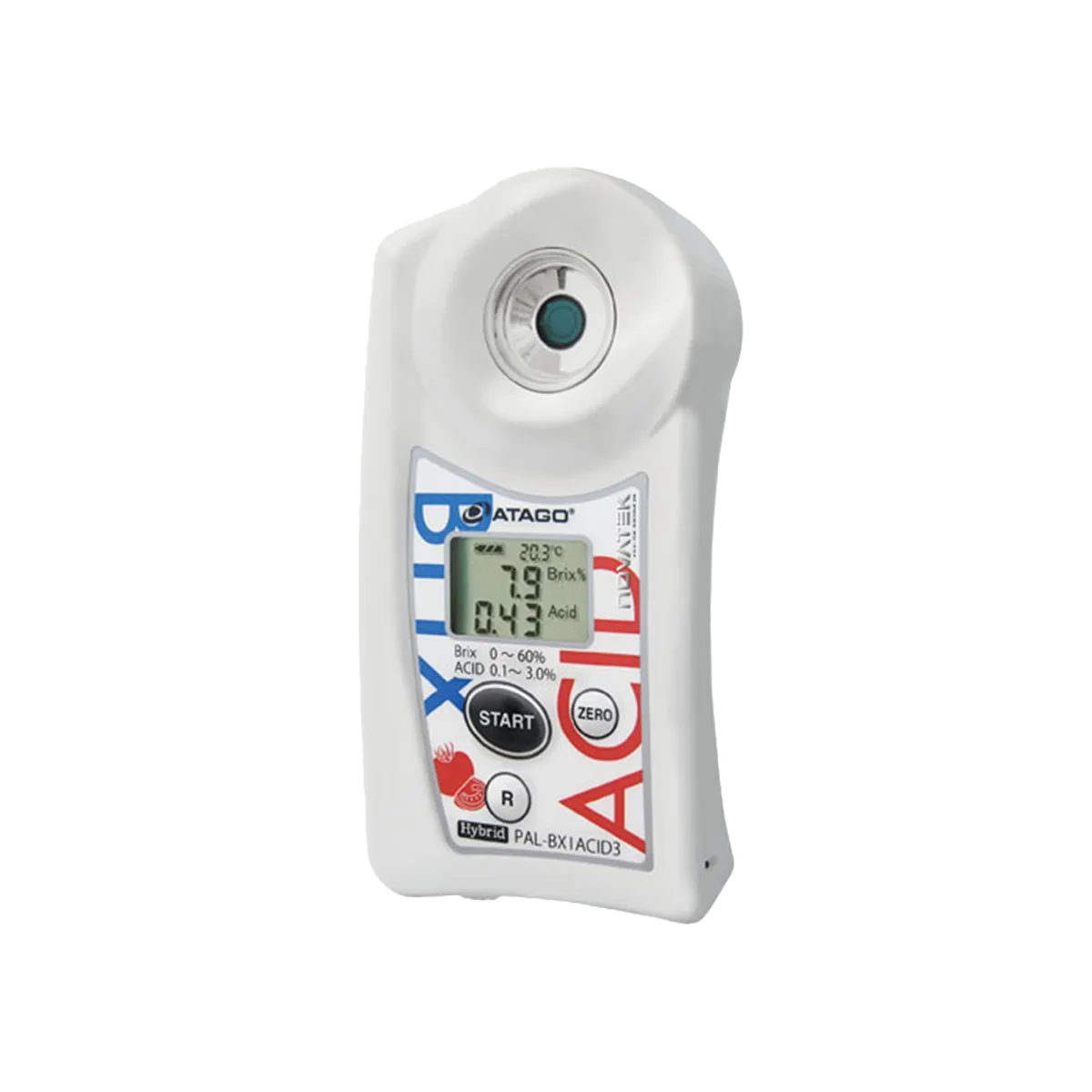 Asit Ölçerler
 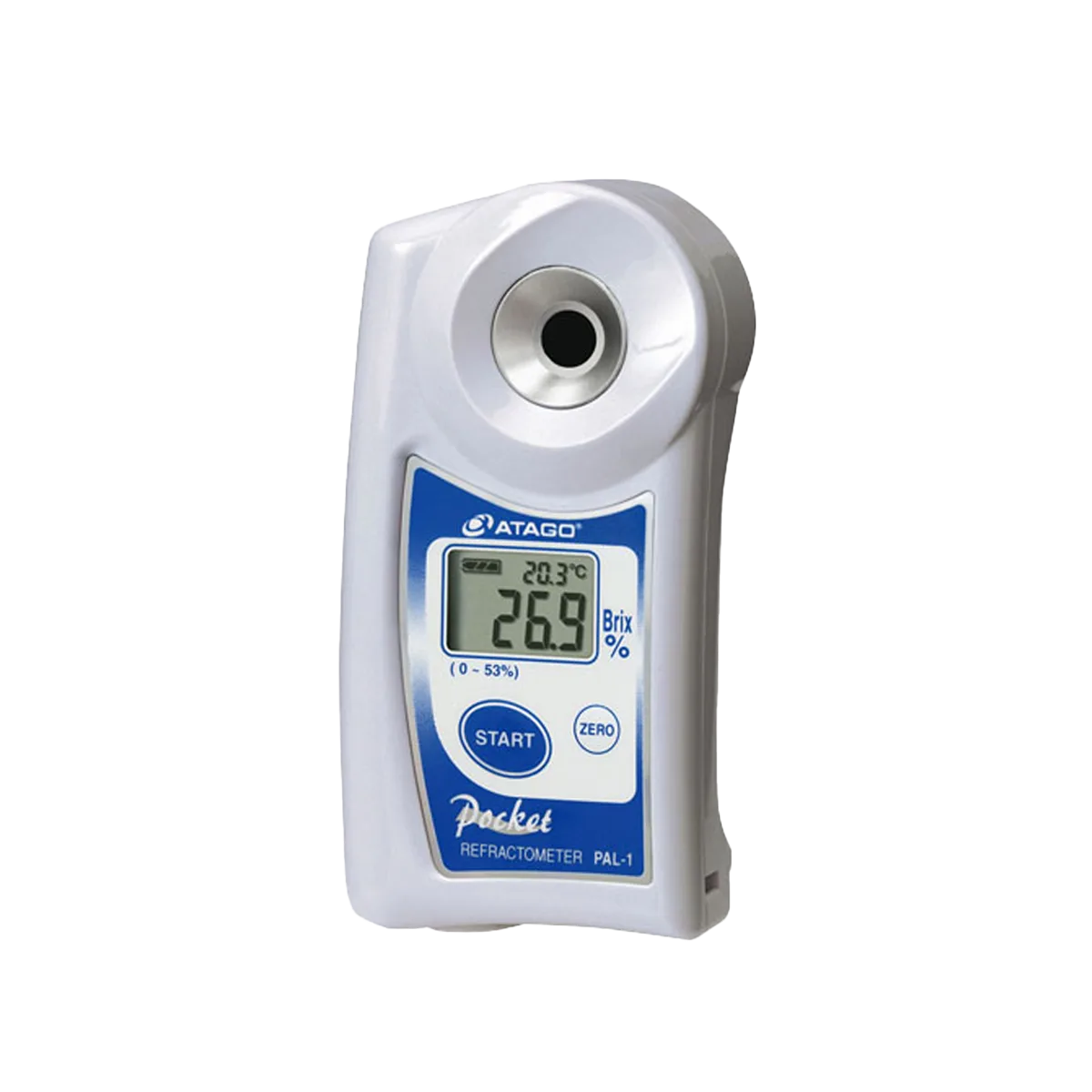 Dijital El Tipi Refraktometre
  Dijital Refraktometre
  El Tipi Refraktometre
  IR Refraktometre
  Palette Serisi Refraktometre
 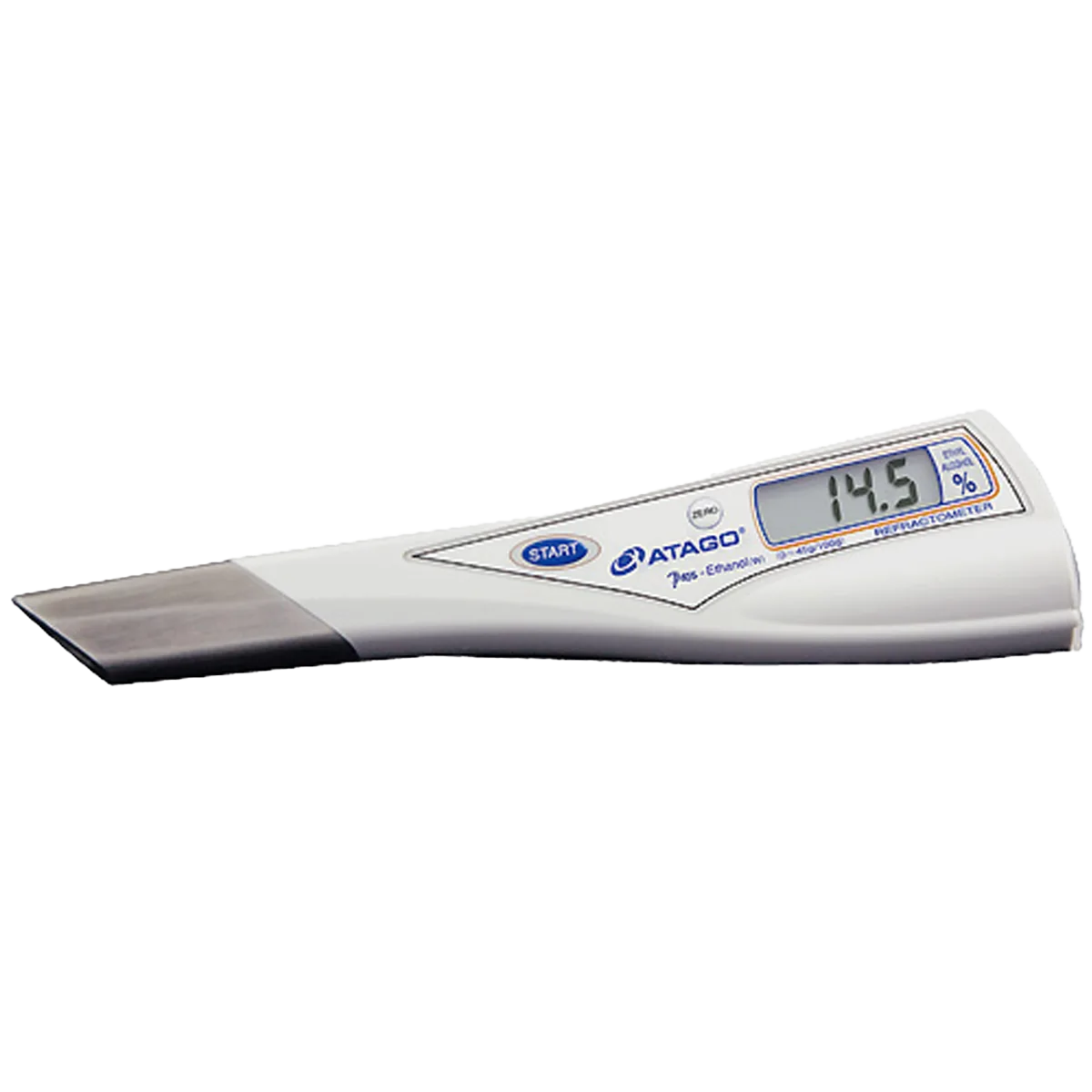 PEN Serisi Refraktometre
 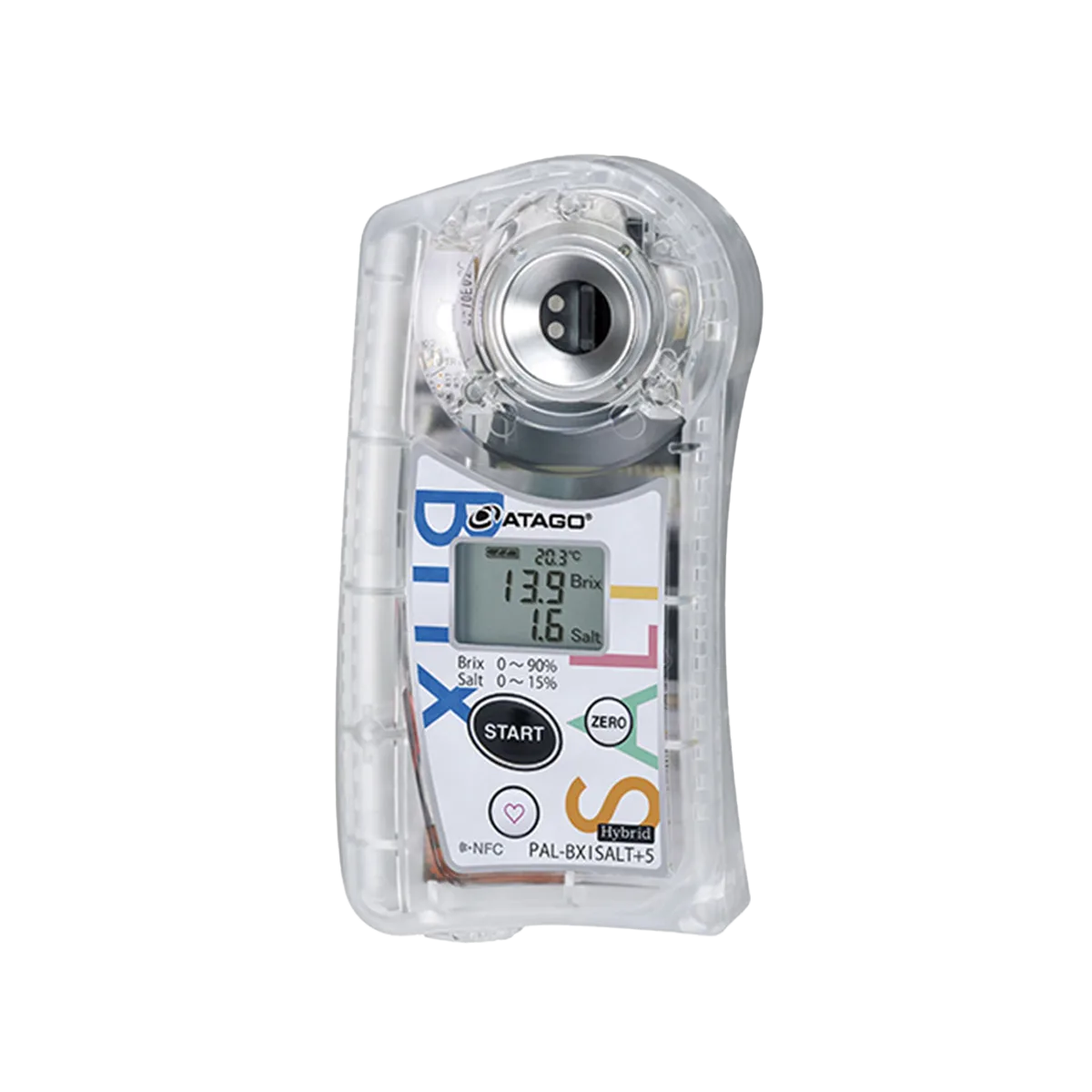 Özel Ölçüm Refraktometreleri
 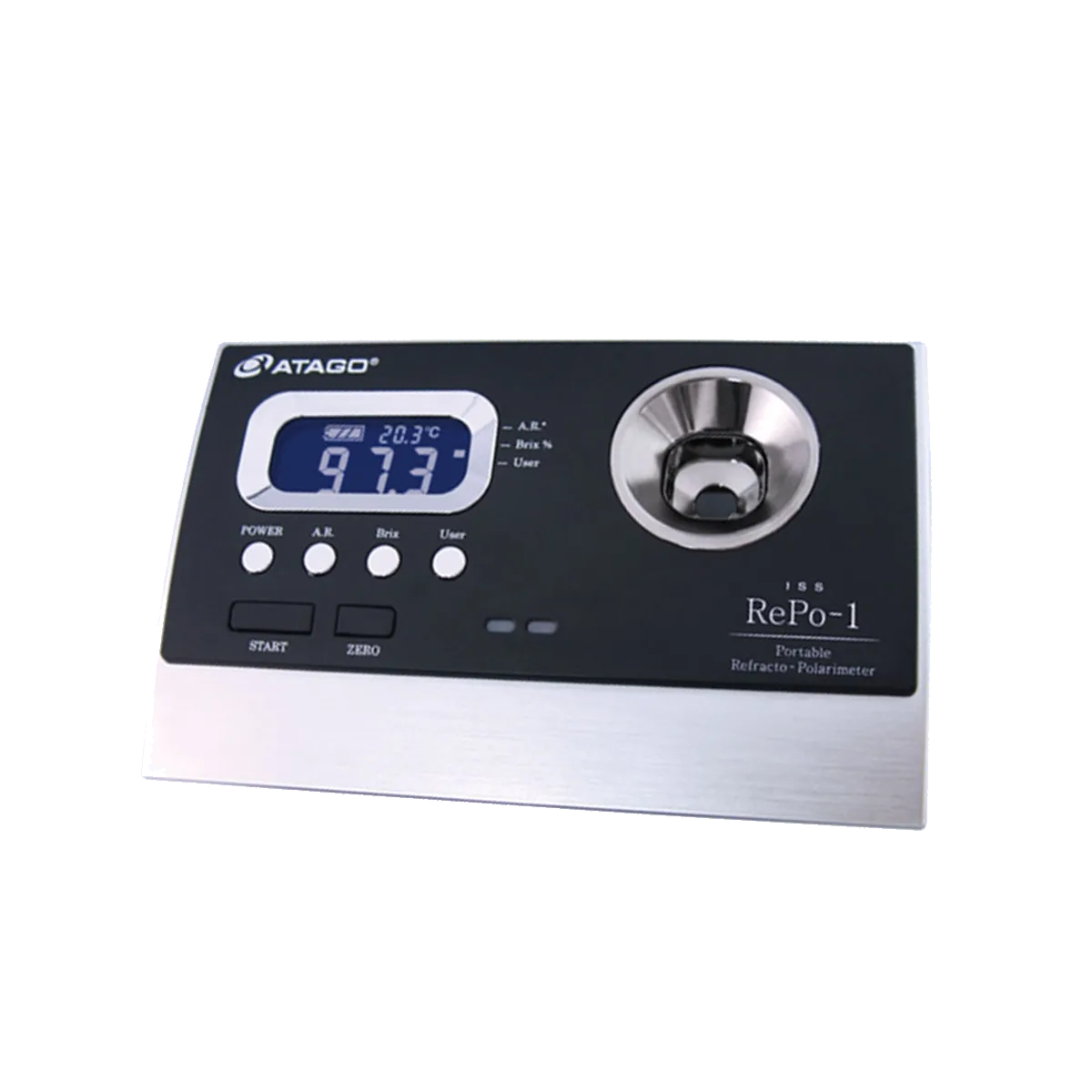 Polarimetre Cihazları
 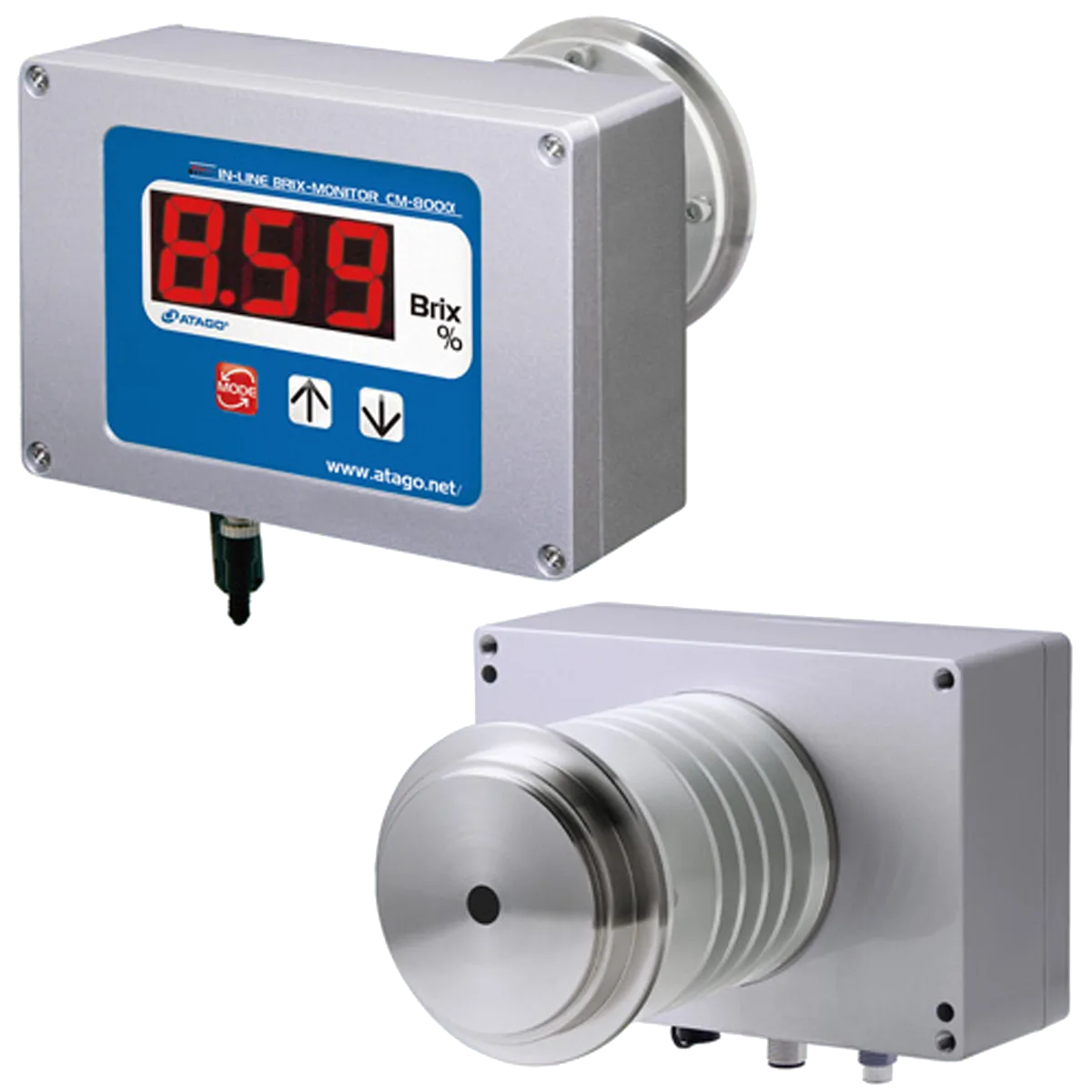 In-line Refraktometre
  Çözünmüş Oksijen Ölçer (DO Metre)
  İletkenlik Ölçerler
  İyon Seçici Elektrotlar (ISE)
  Multimetre Cihazları
  ORP-Redoks Ölçüm Cihazları
  pH Metreler
  TDS Ölçüm Cihazları
  İyon Kramotografi
 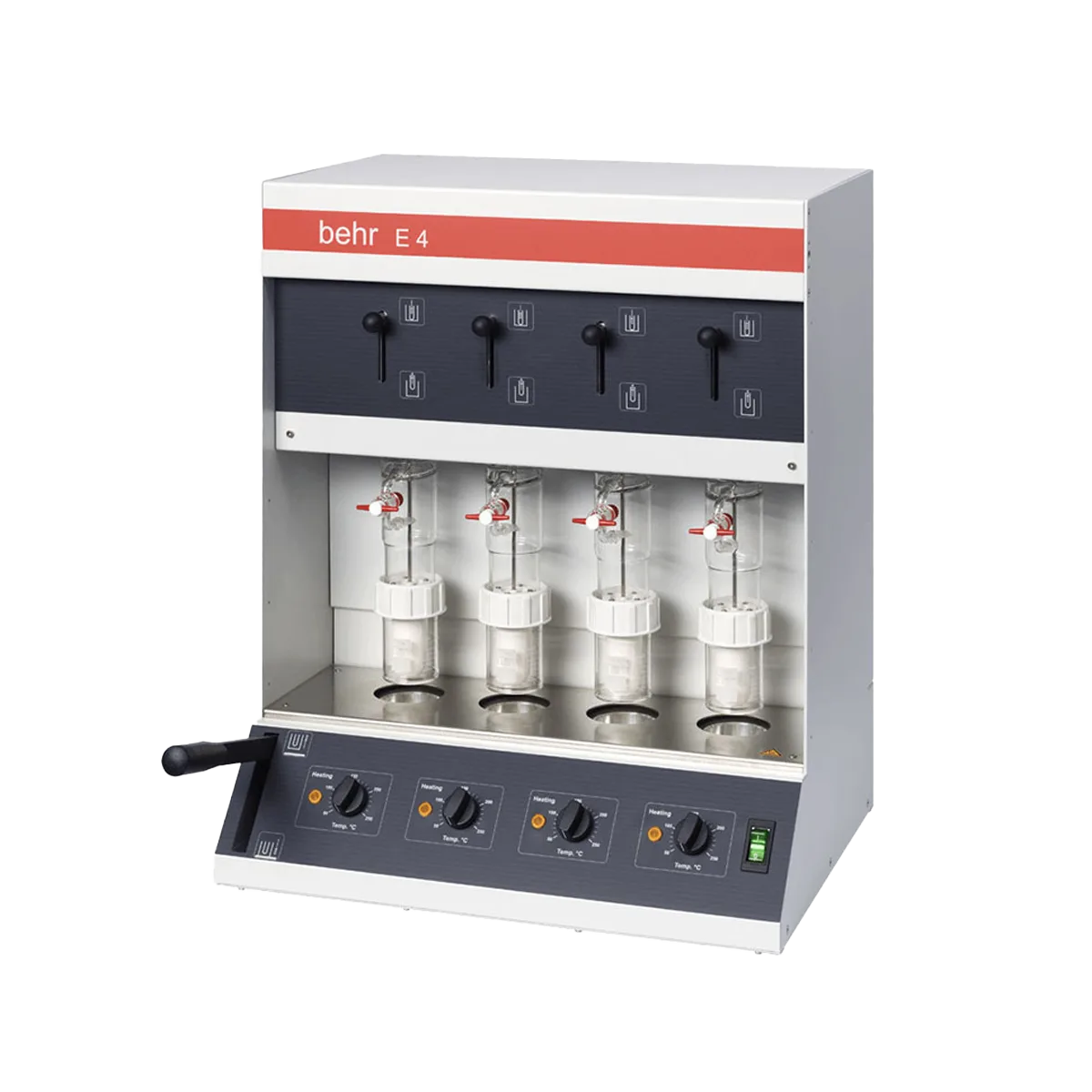 Randall Ekstraksiyon Sistemleri
 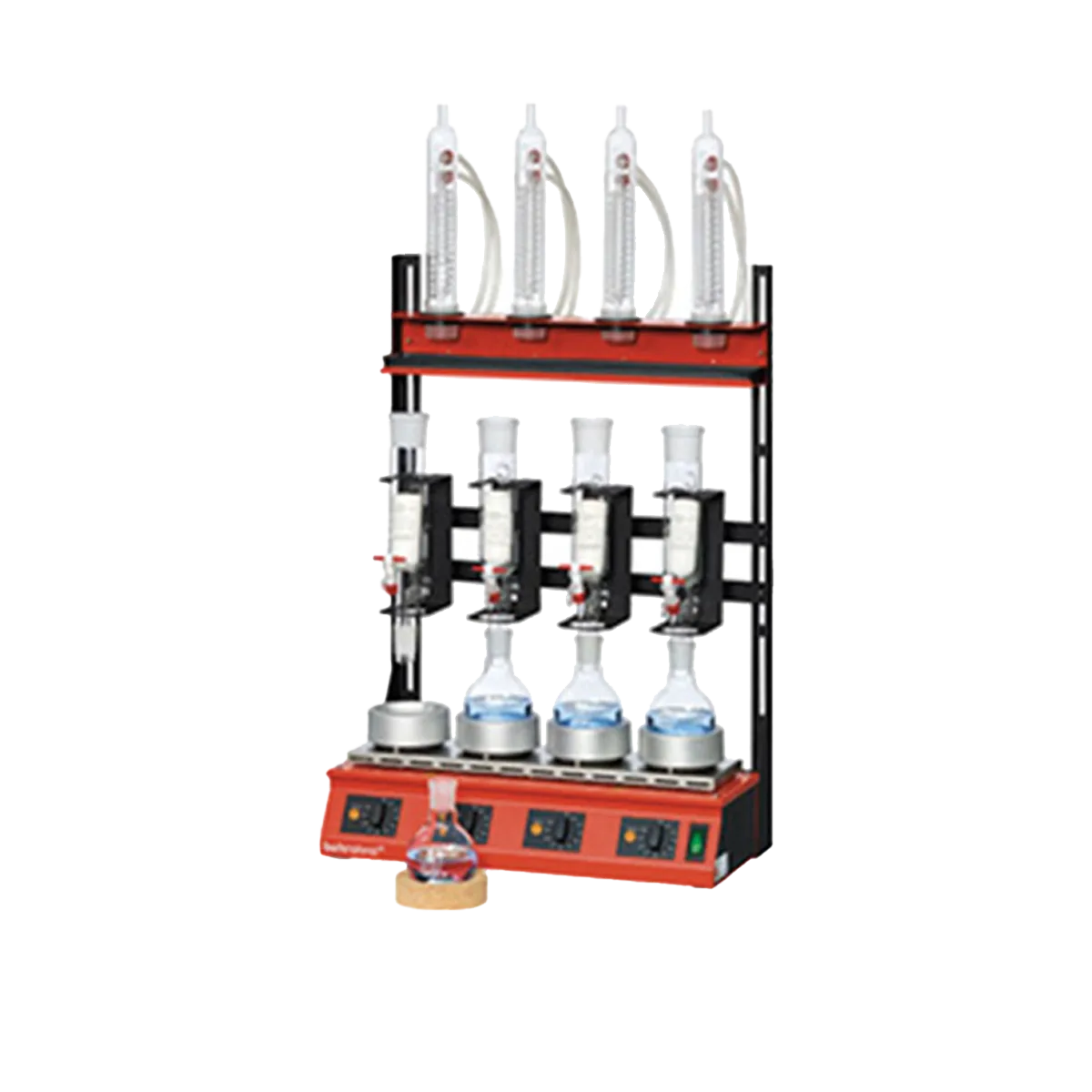 Soxhlet Ekstraksiyon Sistemleri
 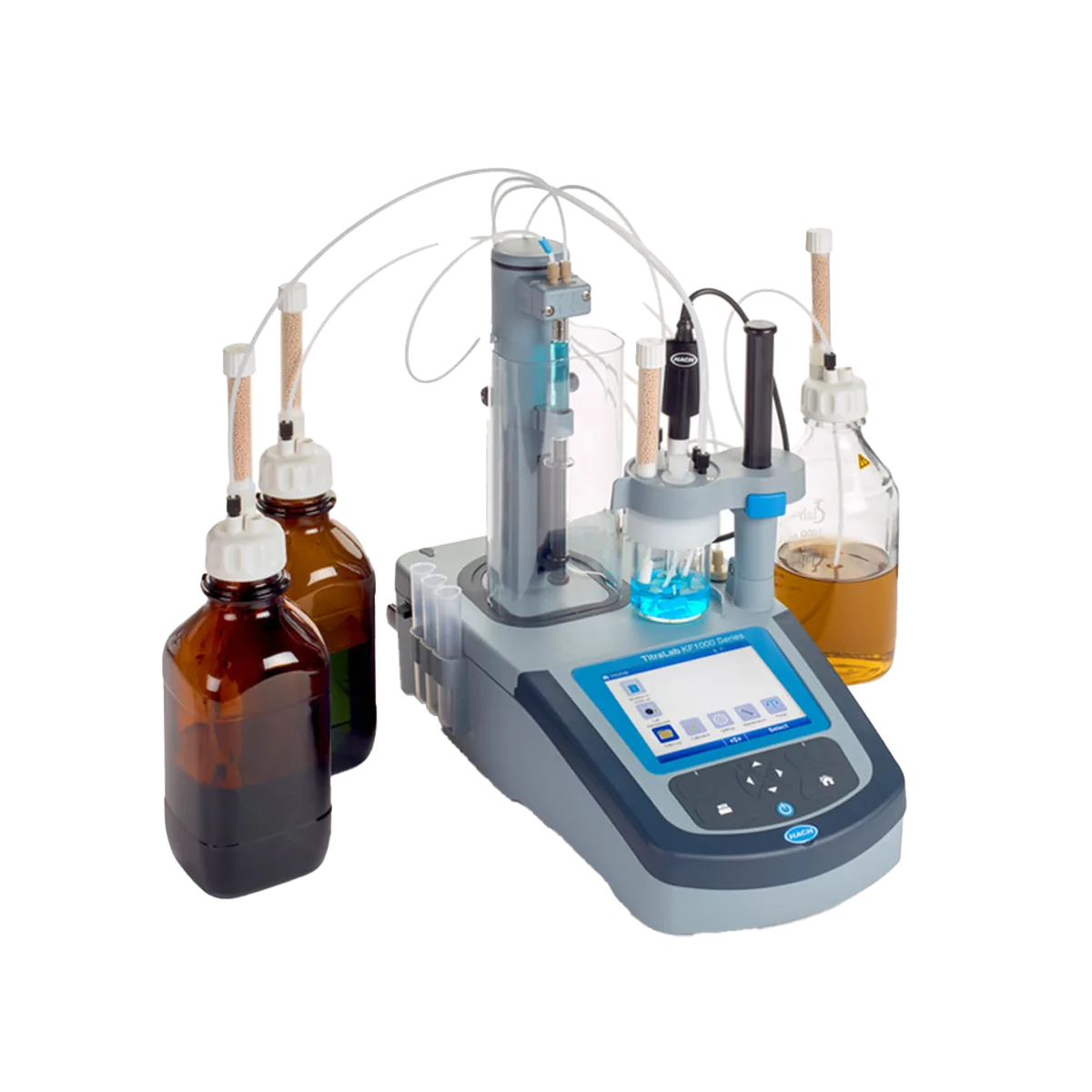 Karl Fischer Titratörleri
 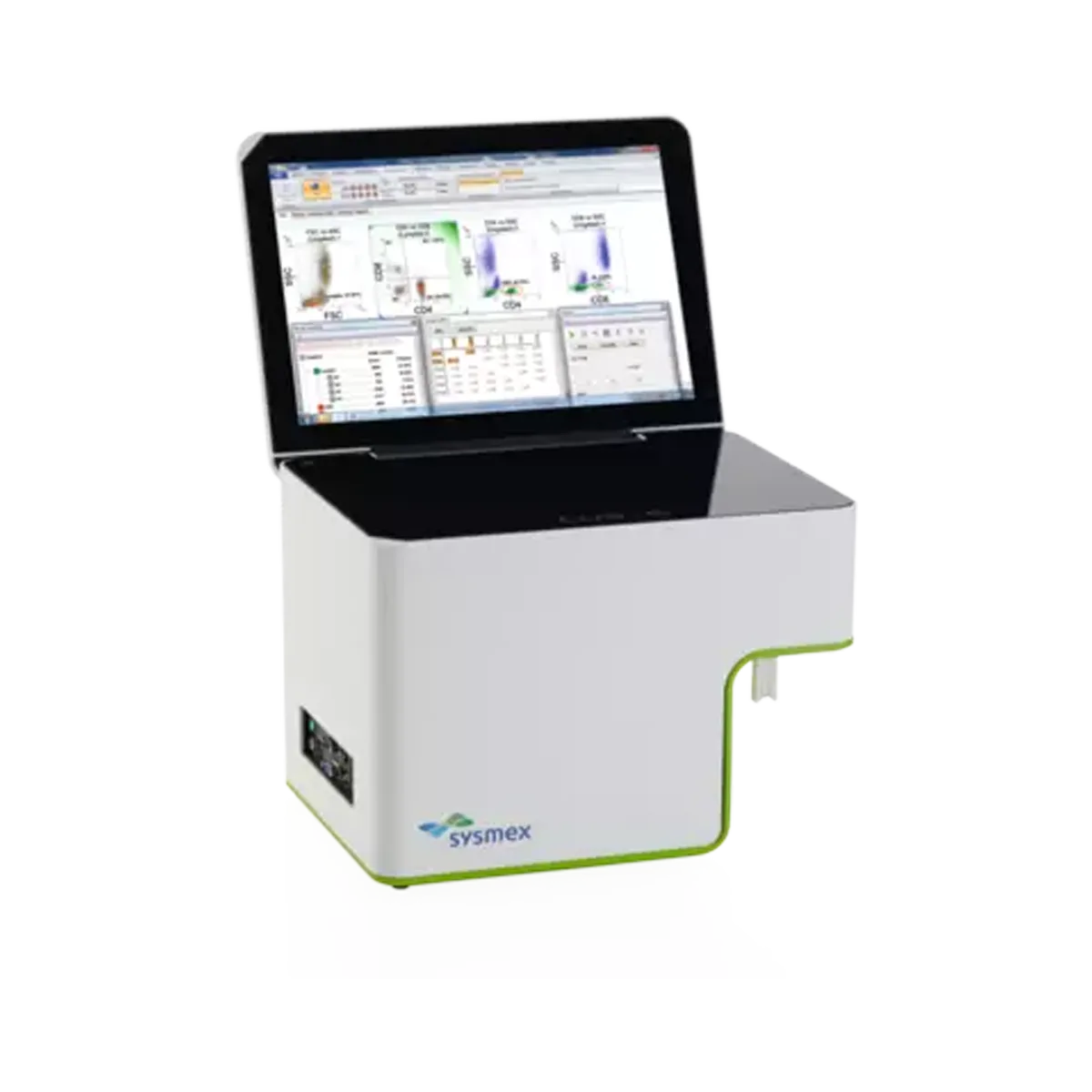 Akış Sitometresi
 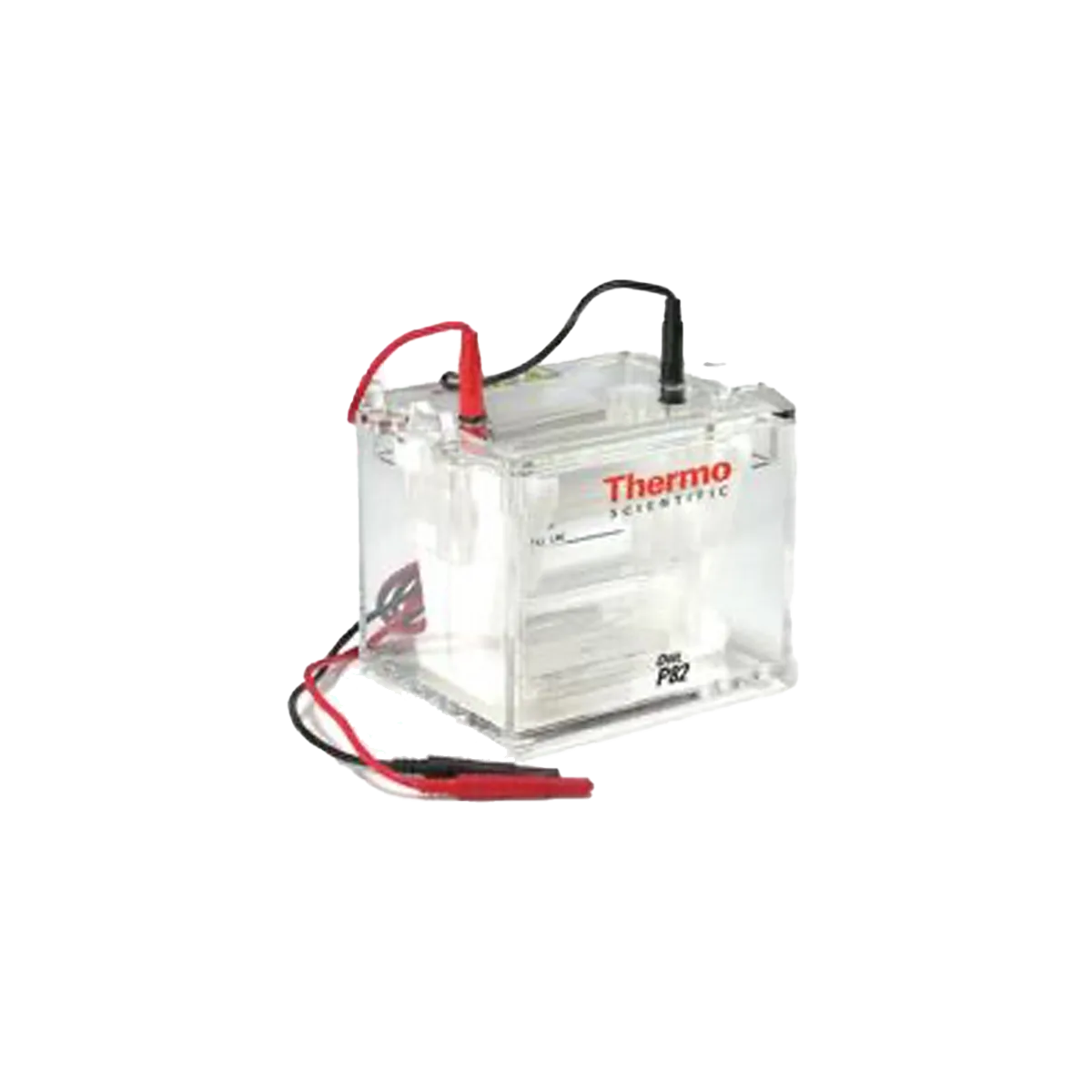 Elektroforez Sistemleri
 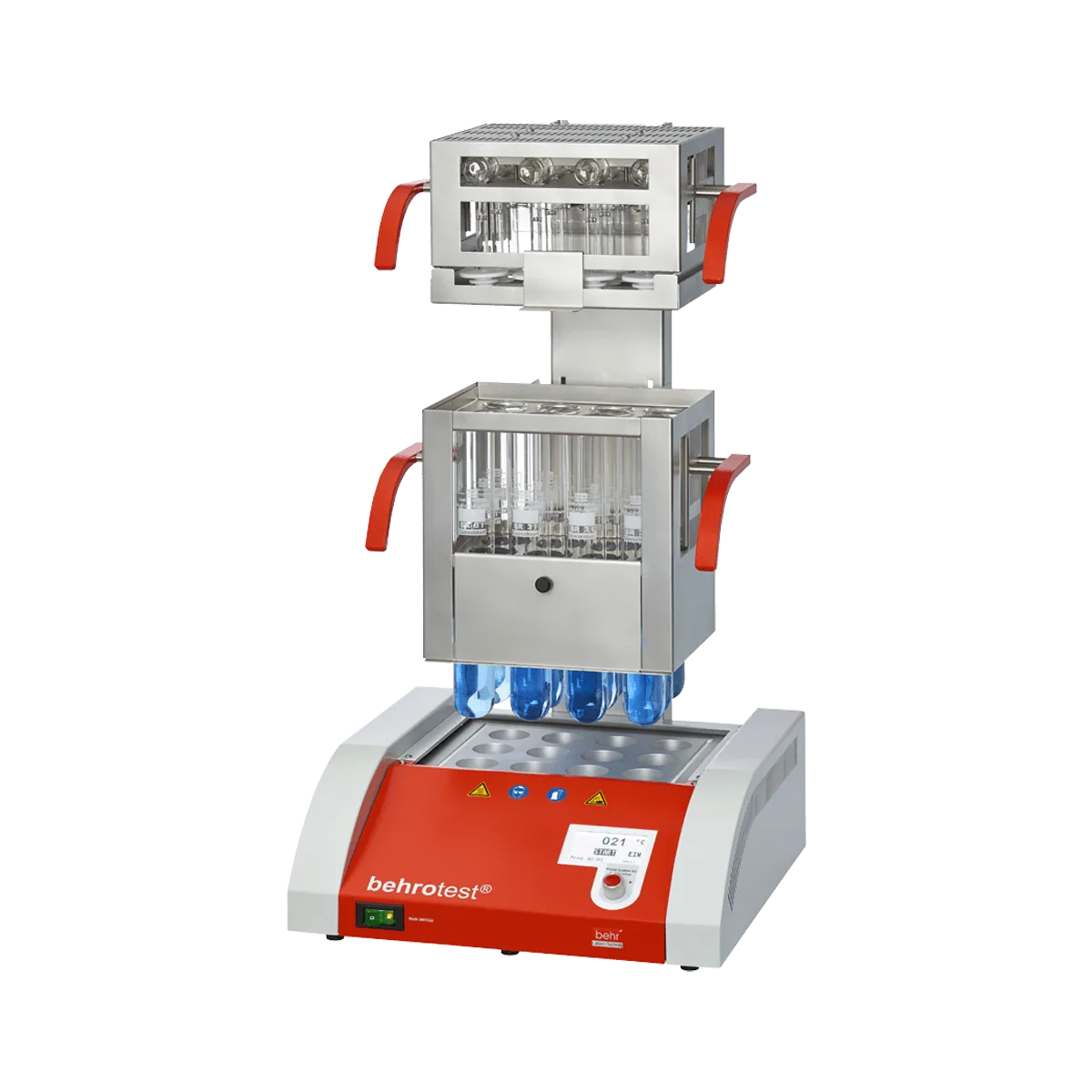 Kjeldahl Azot – Protein tayin sistemi
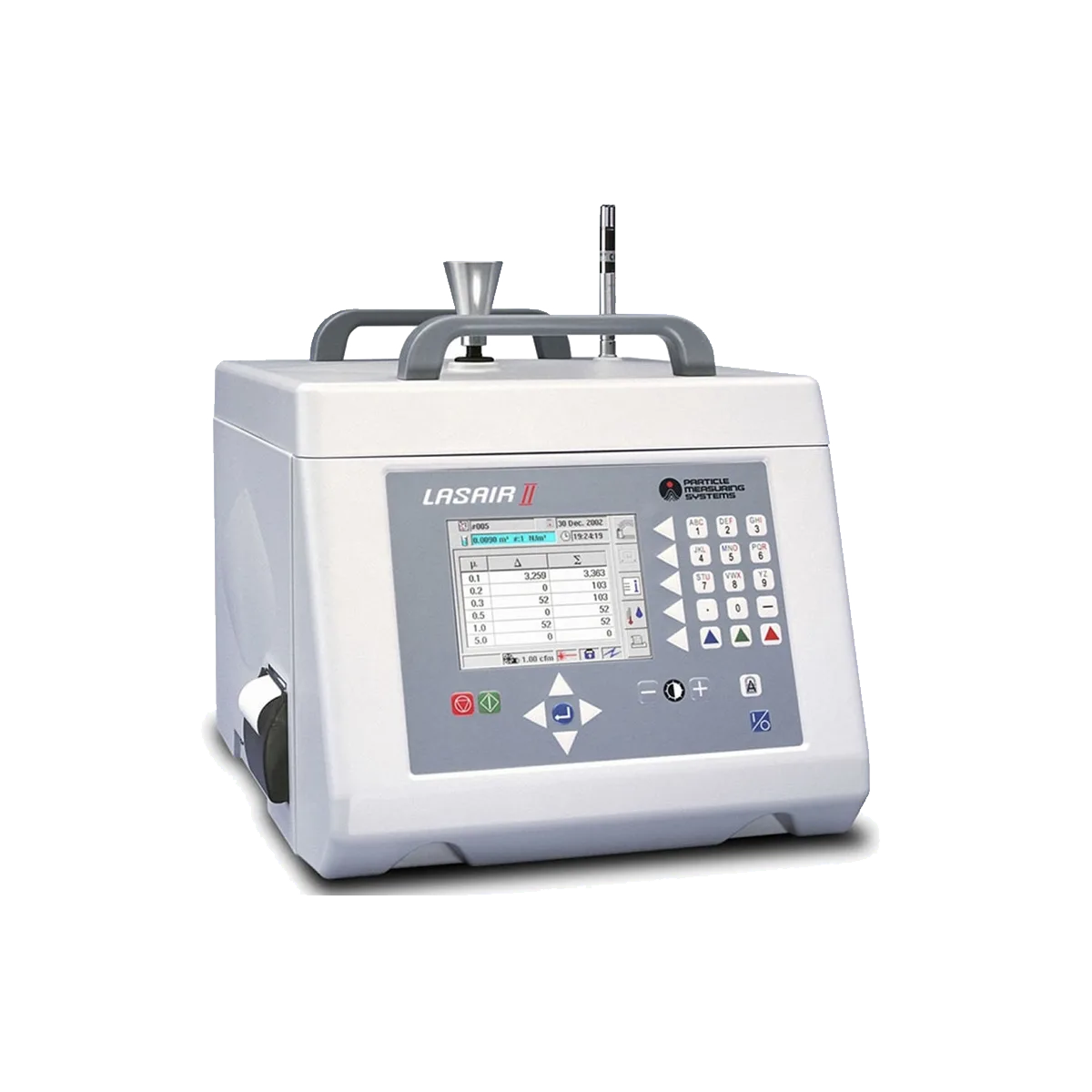 Aerosol Partikül Sayım Cihazları
 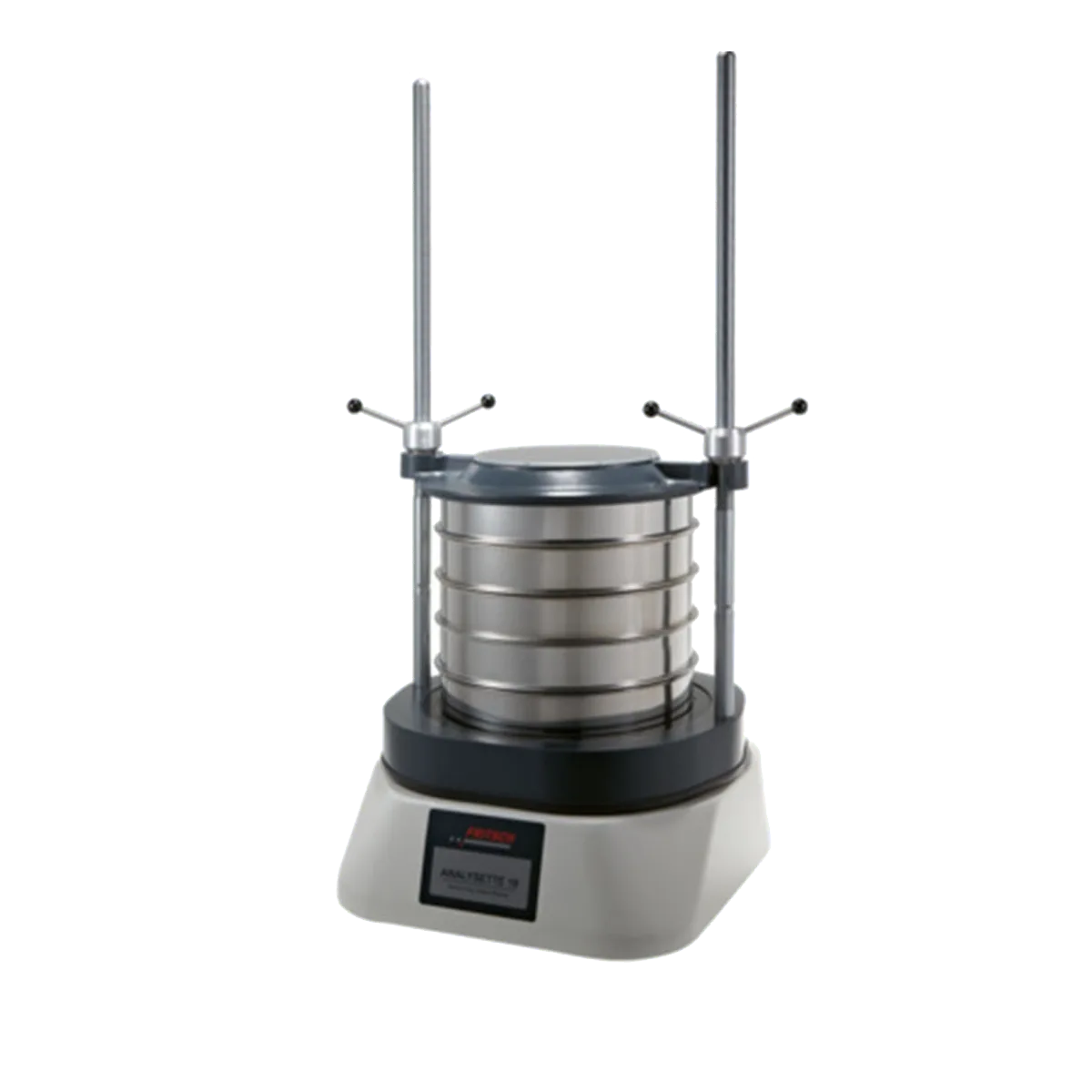 Elek Analiz Cihazı
  Karbon Siyahı Miktar Tayin Cihazı
  Parçacık Boyut Analizörü
  Renk Tayin Cihazları
  Optik Mikroskoplar
 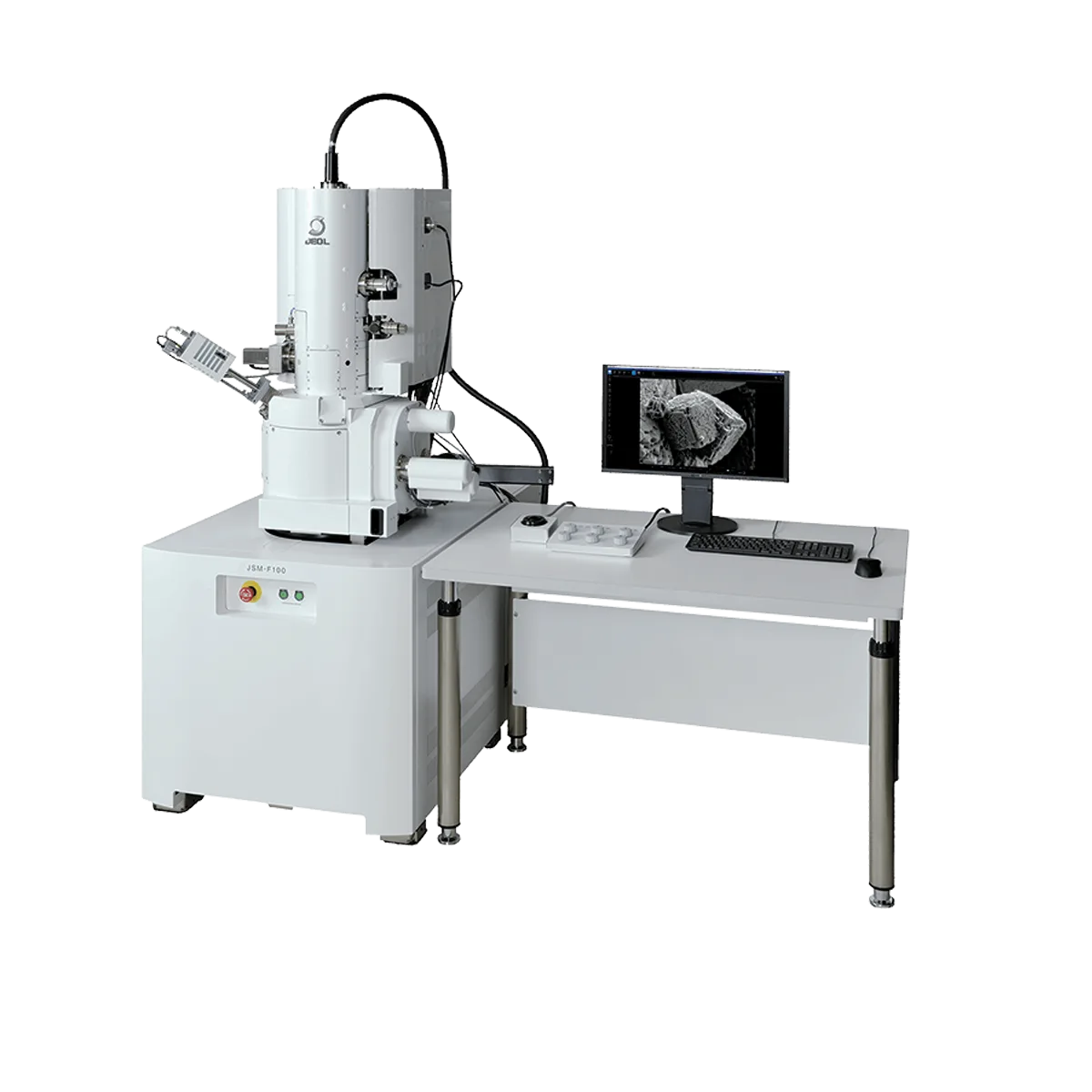 Taramali Elektron Mikroskobu (SEM)
 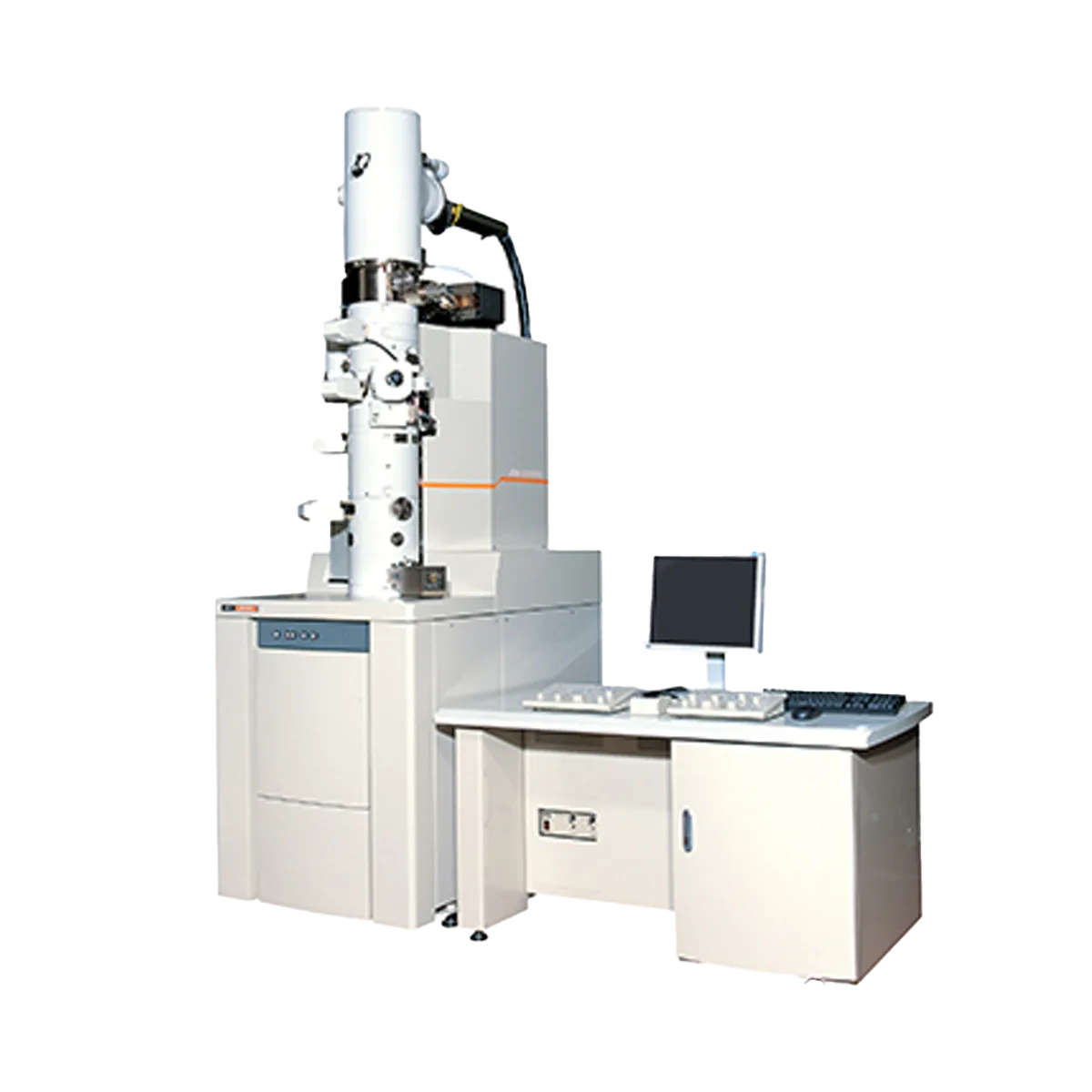 İletim Elektron Mikroskobu (TEM)
 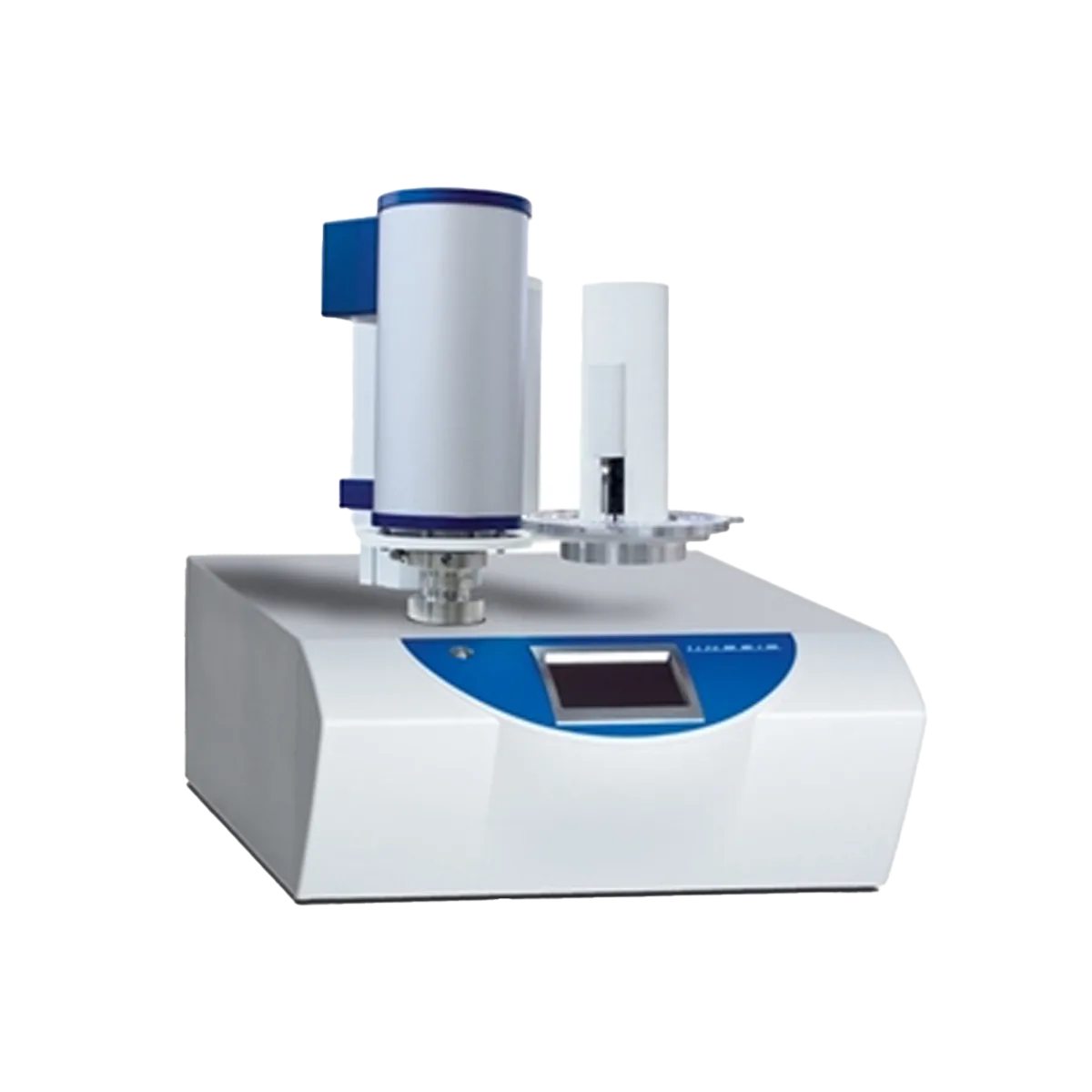 Diferansiyel Tarama Kalorimetre (DSC)
 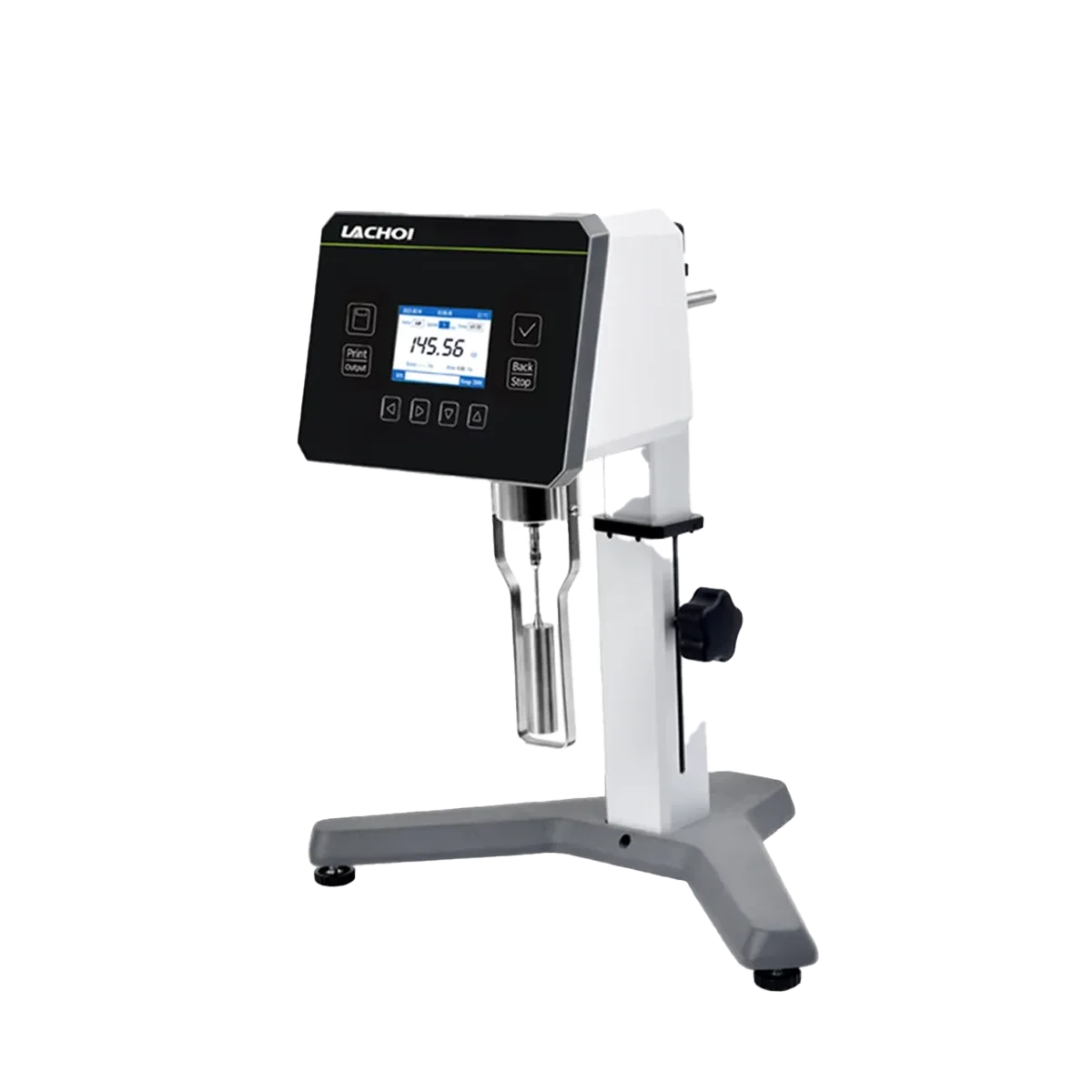 Rheometre Cihazları
  Surface Plasmon Resonance (SPR) Sistemleri
  Termal Gravimetrik Analiz (TGA)
  Hücre Sayım Cihazları
  Kaset ve Kitler
  Reagent ve Sarflar
  Somatik Hücre Sayım Cihazları
  PEN Serisi Refraktometreler
  In-line Refraktometreler
  Elektronik Burun (E-Nose)
  Elektronik Dil (E-Tongue)
  Elektronik Göz (E-Eye)
  Sedimentasyon Analiz Cihazları
  Gaz Piknometresi
  Erime Noktası Tayin Cihazı (Melting Point)
  Erime Akış İndeksi (MFI) Tayin Cihazı
  Penetrometer
  Tekstür Analiz Sistemi
 Azotlu Sistem Etüv
  Klimatik Test Kabini
  İnkübatör
  Su Banyosu
  Yağ Banyosu
  Soğutmalı – Isıtmalı Sirkülasyonlu Su Banyosu
  Hot Plate – Isıtıcı Plakalar
 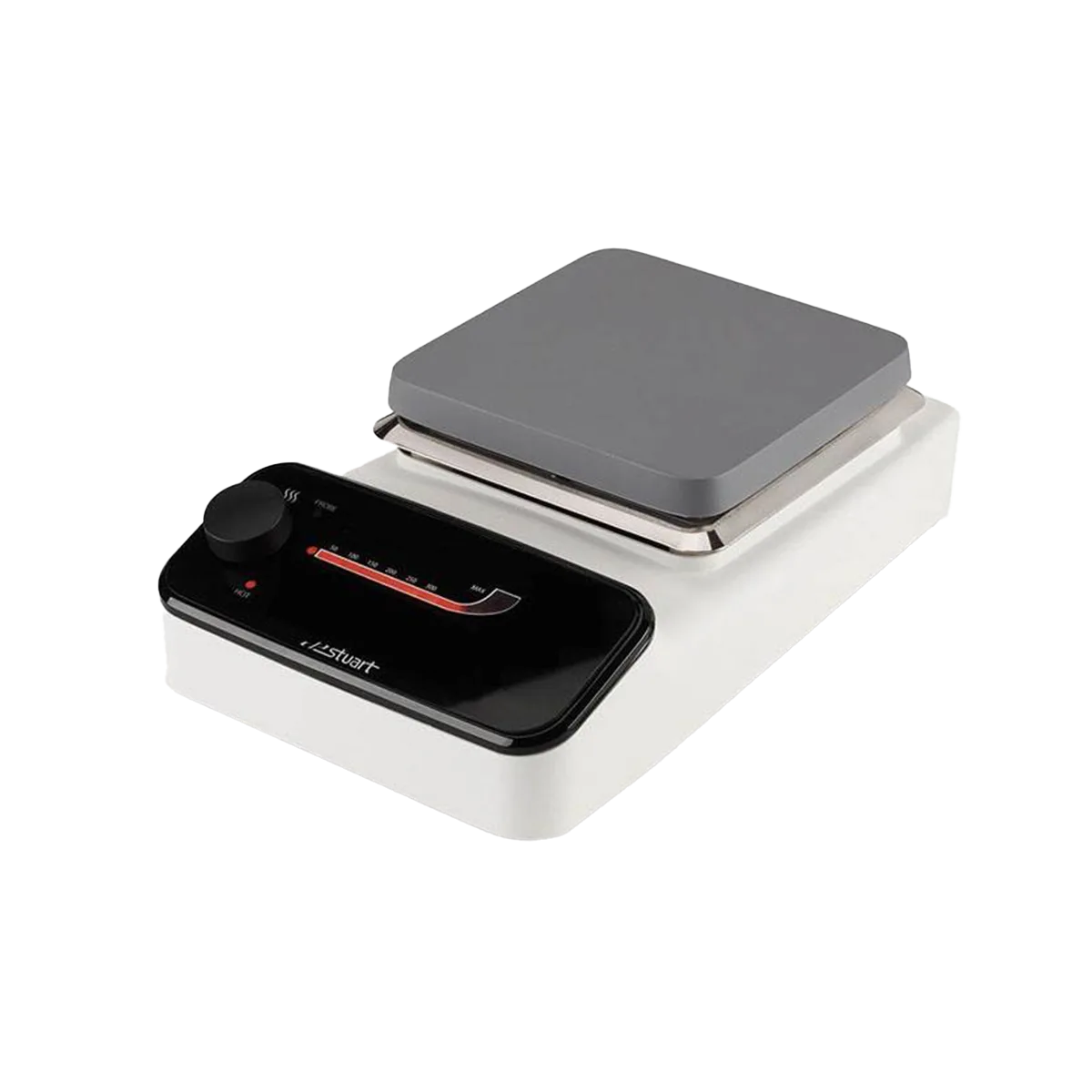 Manyetik Karıştırıcılar
 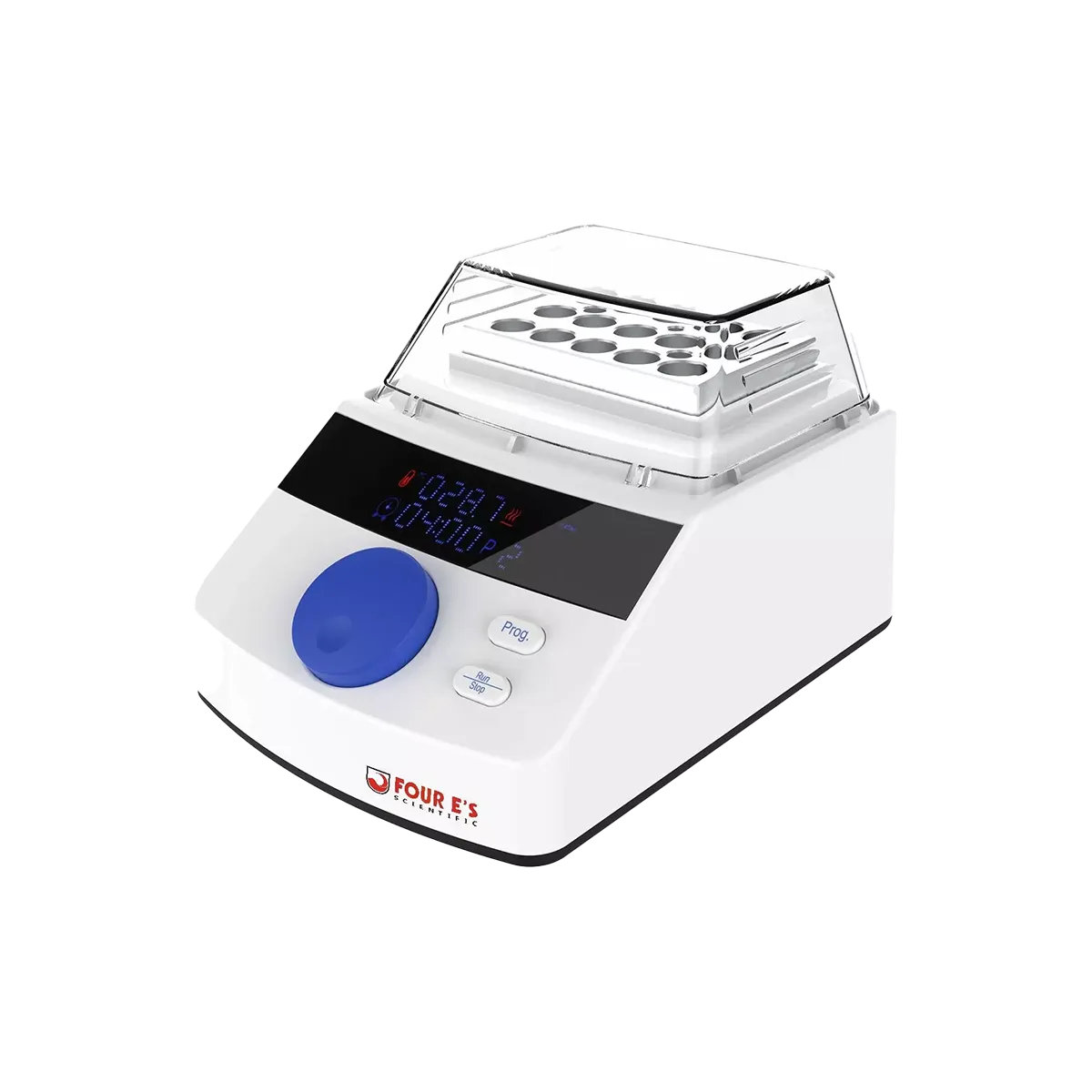 Blok Isıtıcılar (Heating Block)
 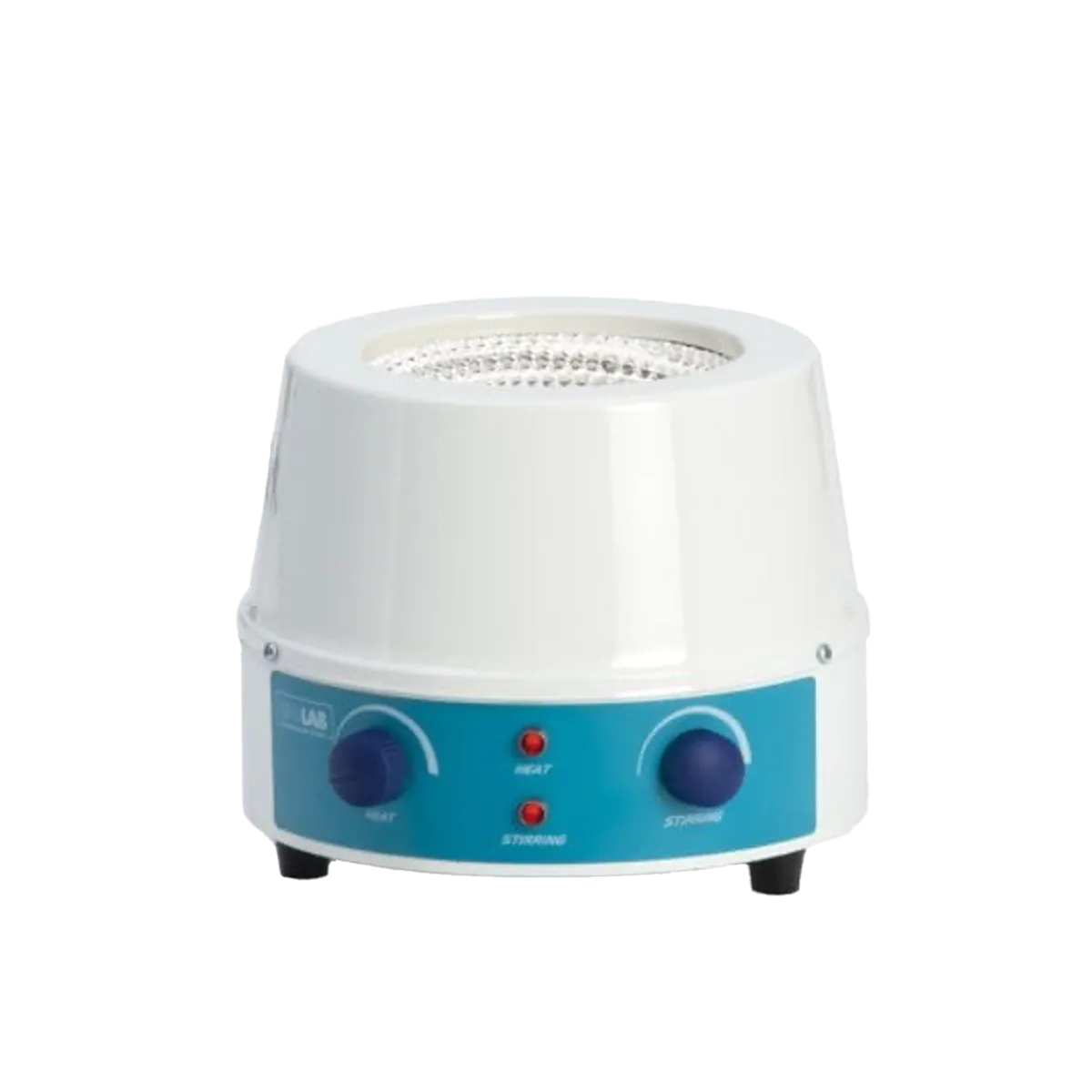 Balon Isıtıcılar
 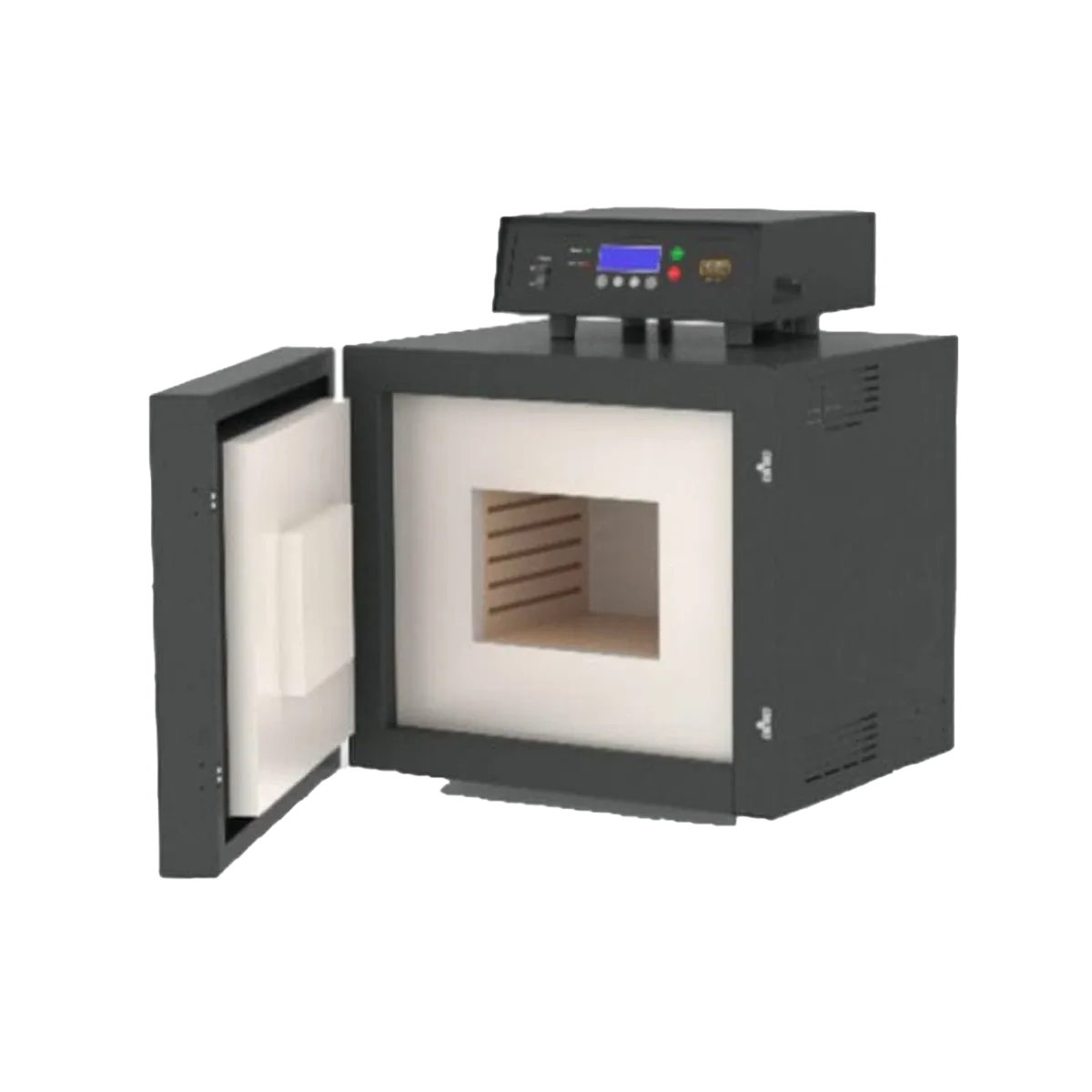 Kül Fırını
 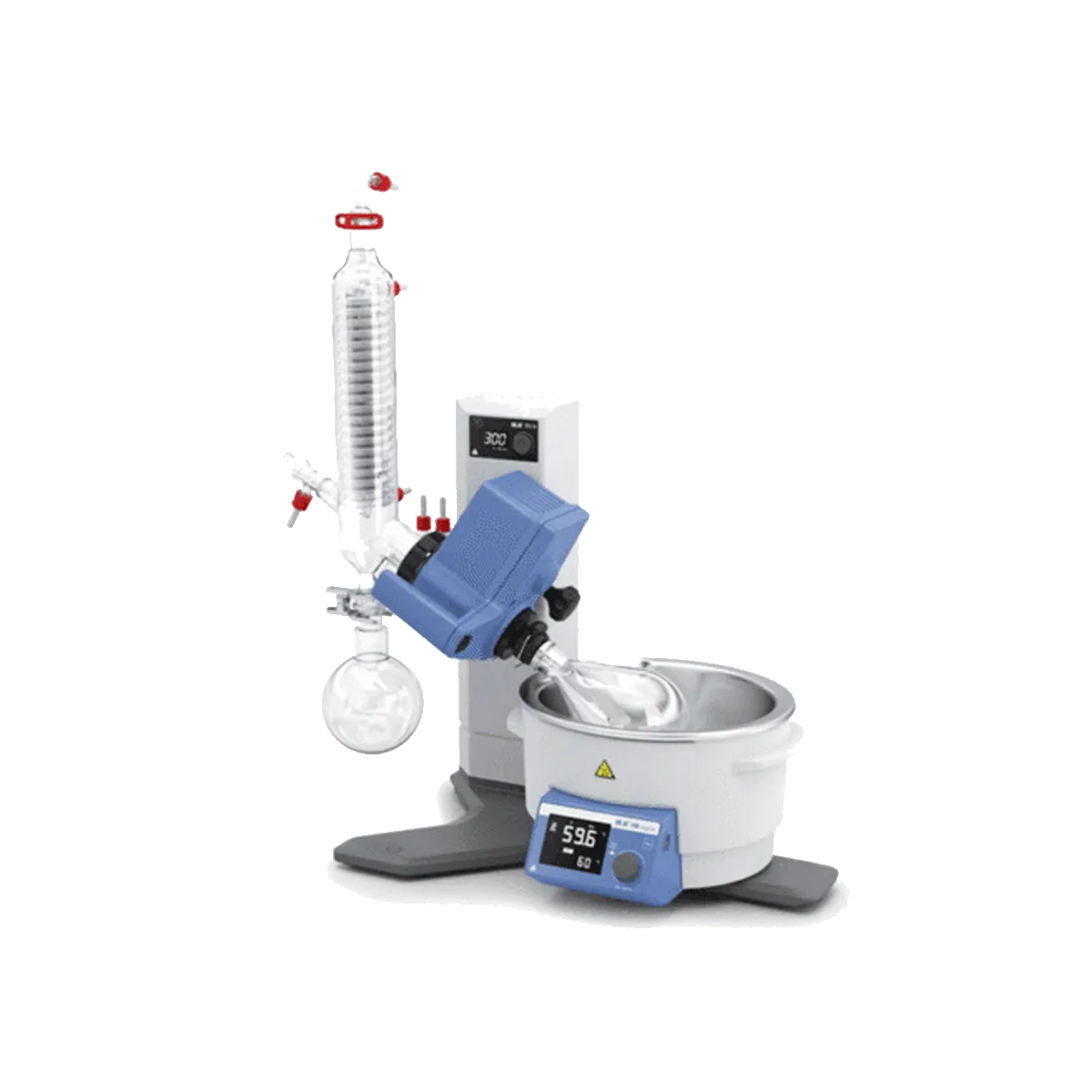 Rotary Evaporatör
 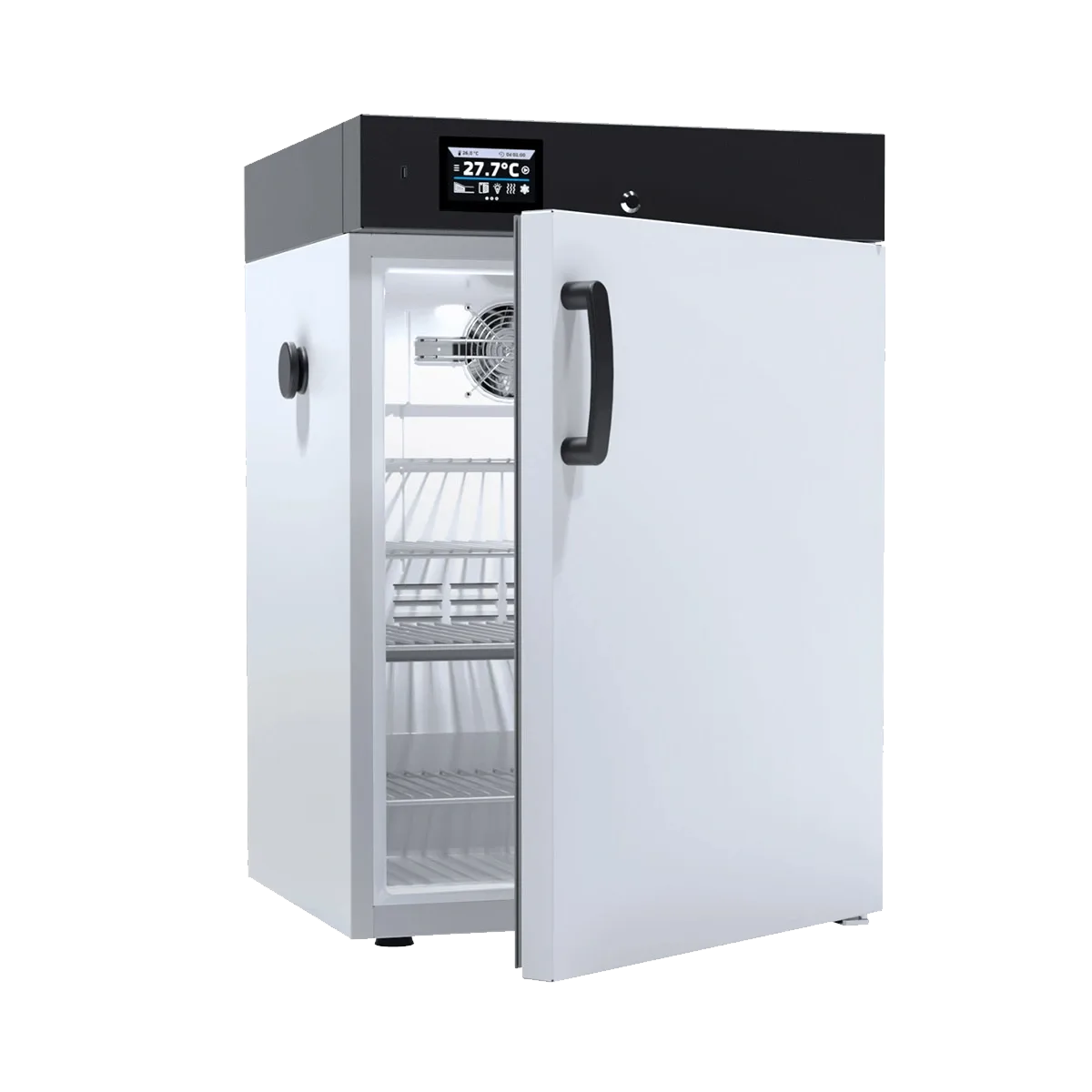 Laboratuvar Tipi Buzdolabı
 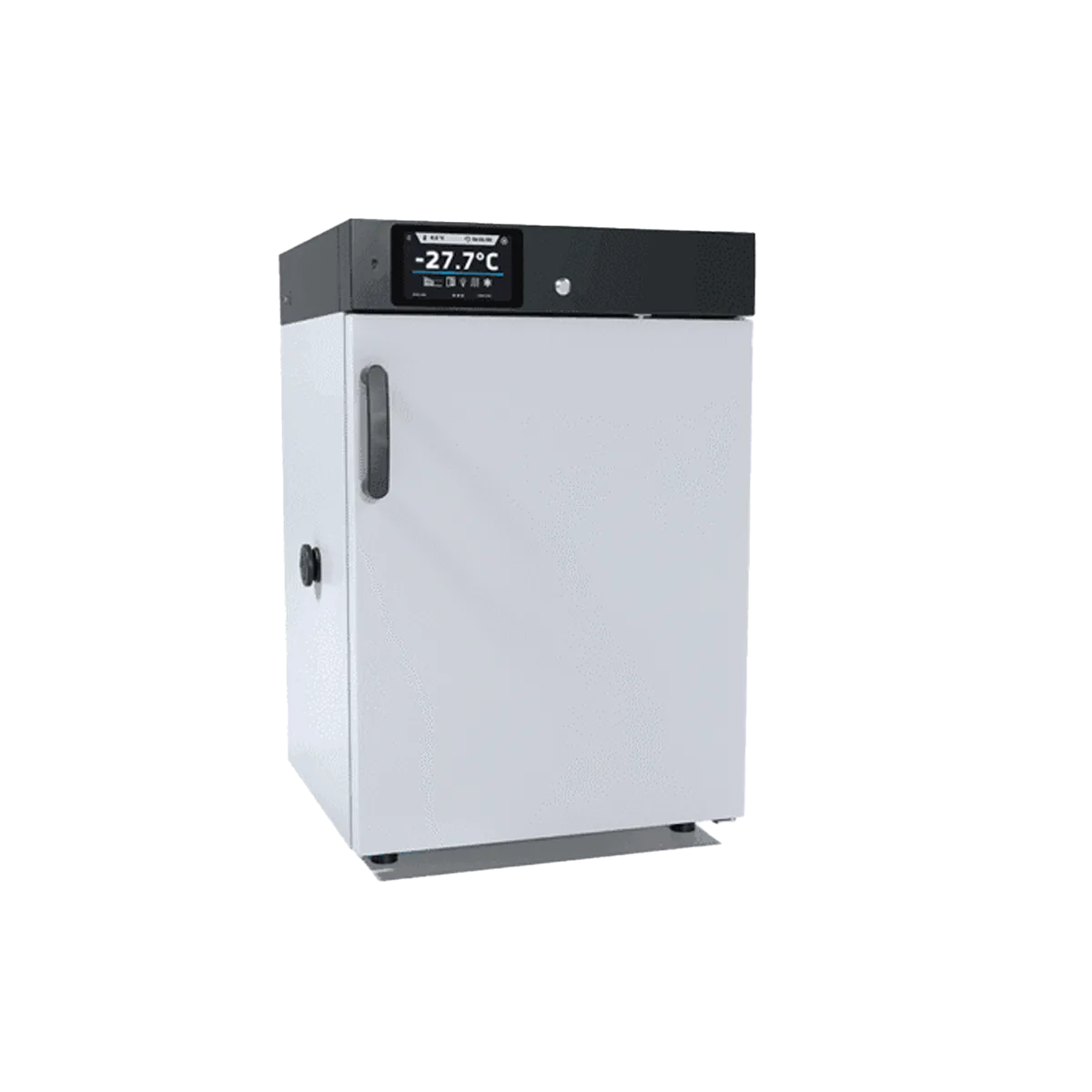 Derin Dondurucu (-25°C)
 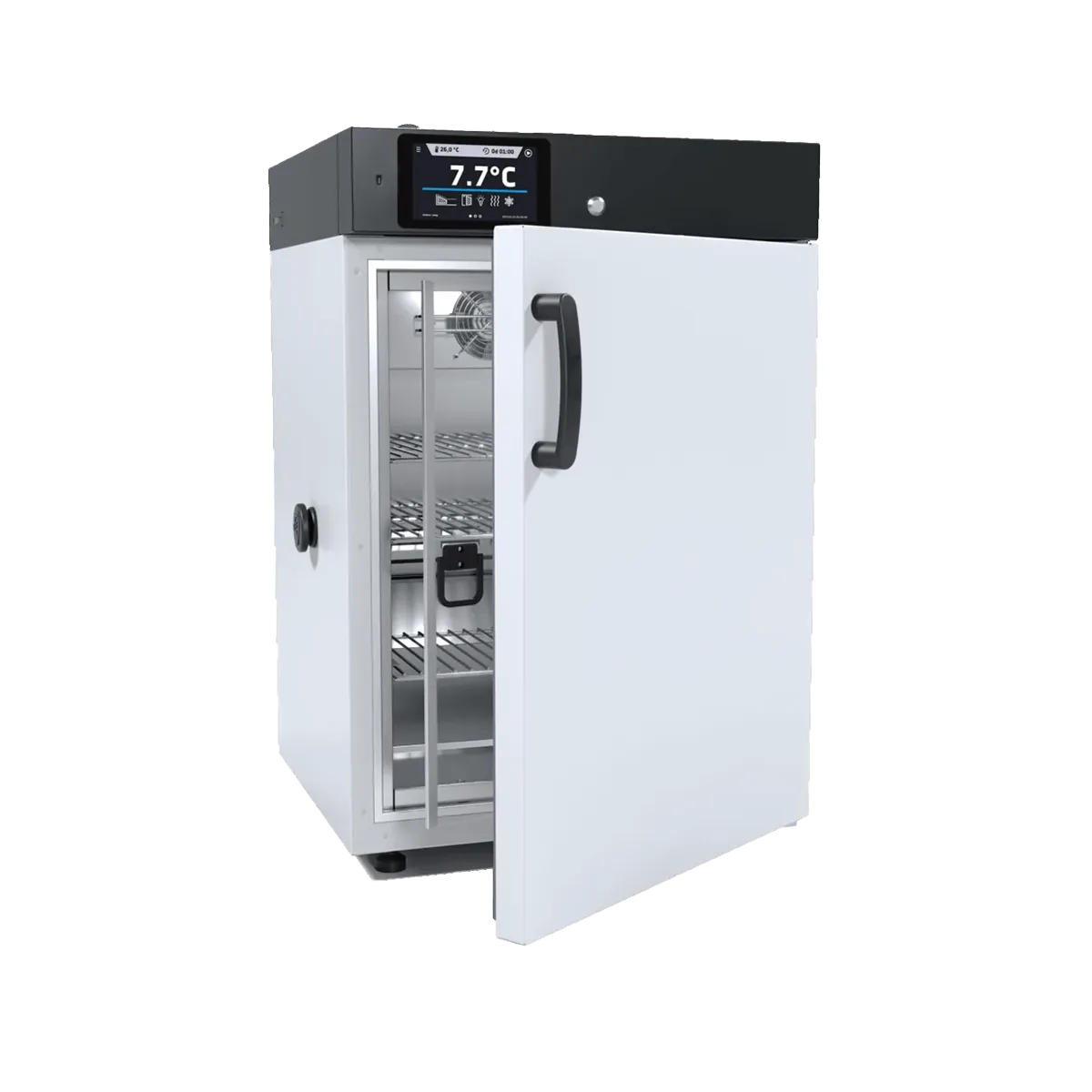 Düşük Sıcaklıklı Derin Dondurucu (-40°C)
  Ultra Düşük Sıcaklıklı Derin Dondurucu (-86°C)
  Kriyojenik Dondurucu (-164°C)
  Mekanik Karıştırıcı
  Homojenizatör
 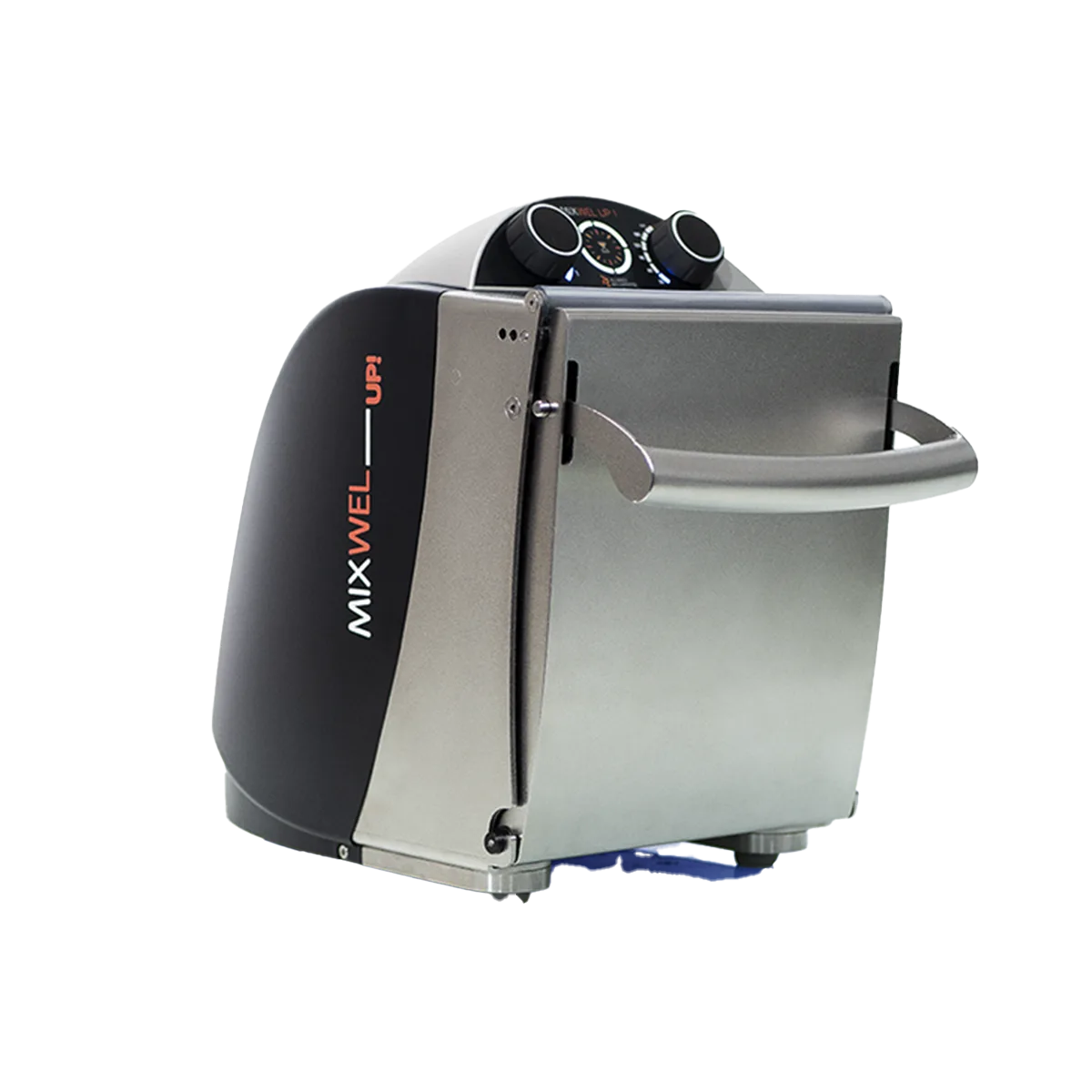 Stomacher Blender
 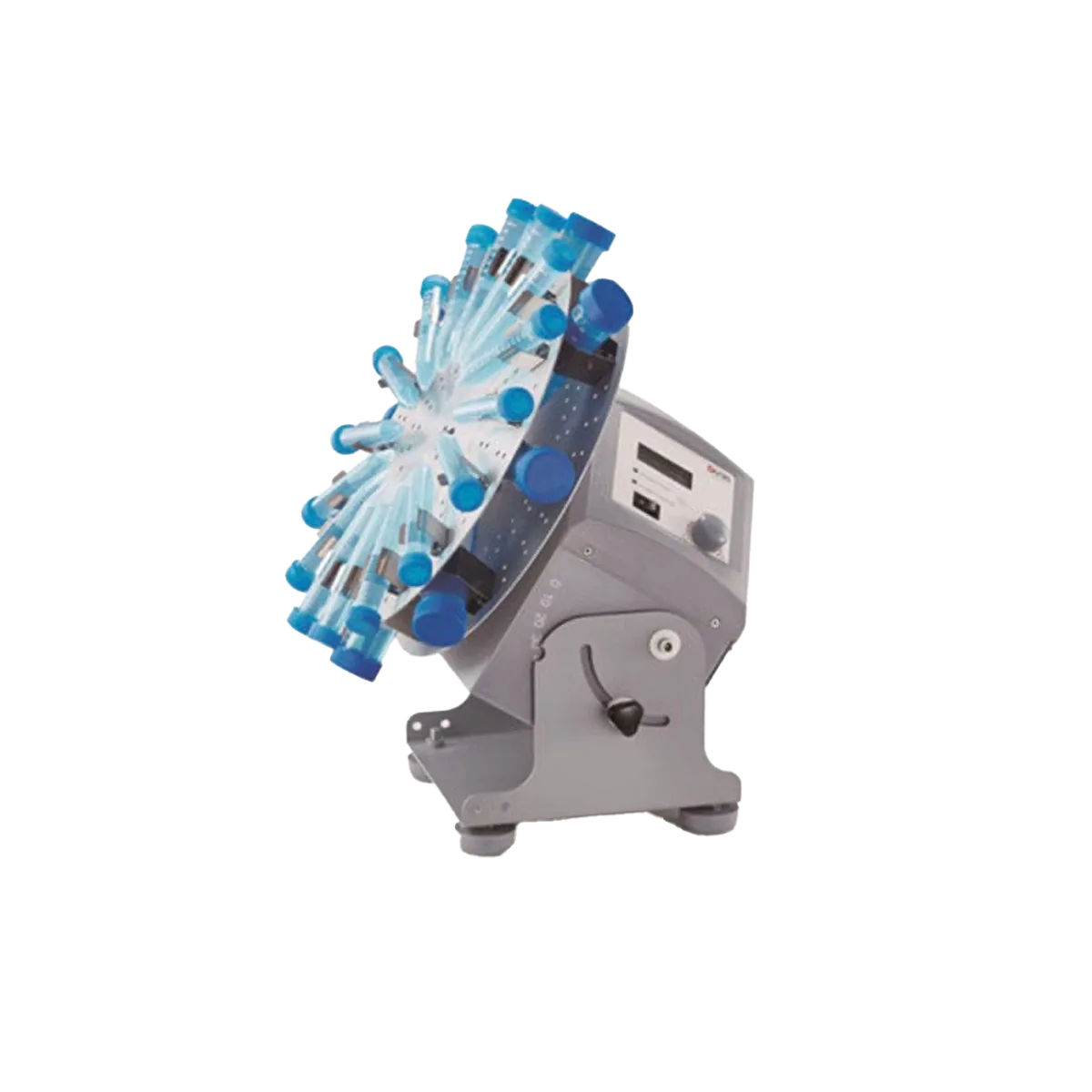 Rotatörler
 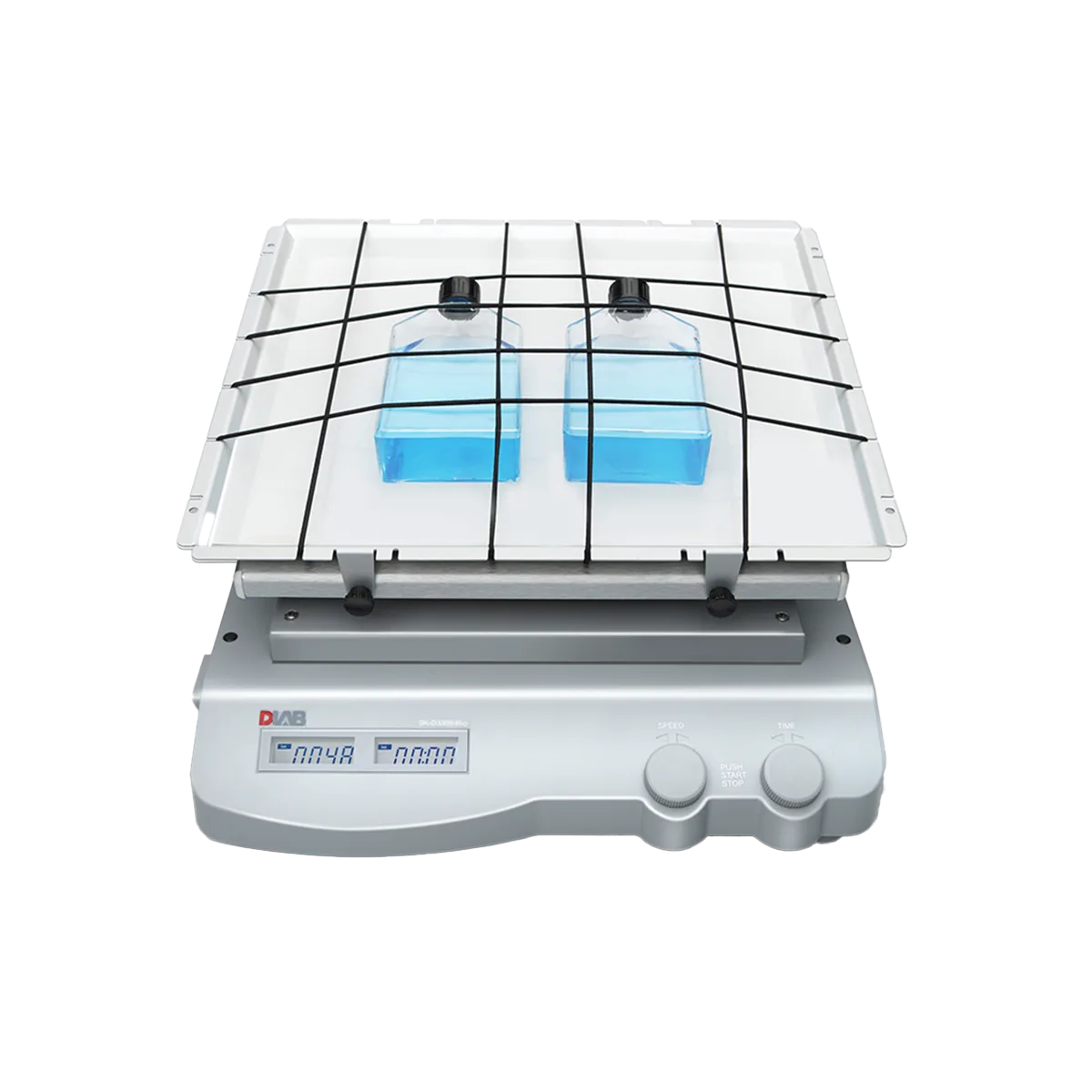 3D Çalkalayıcı
 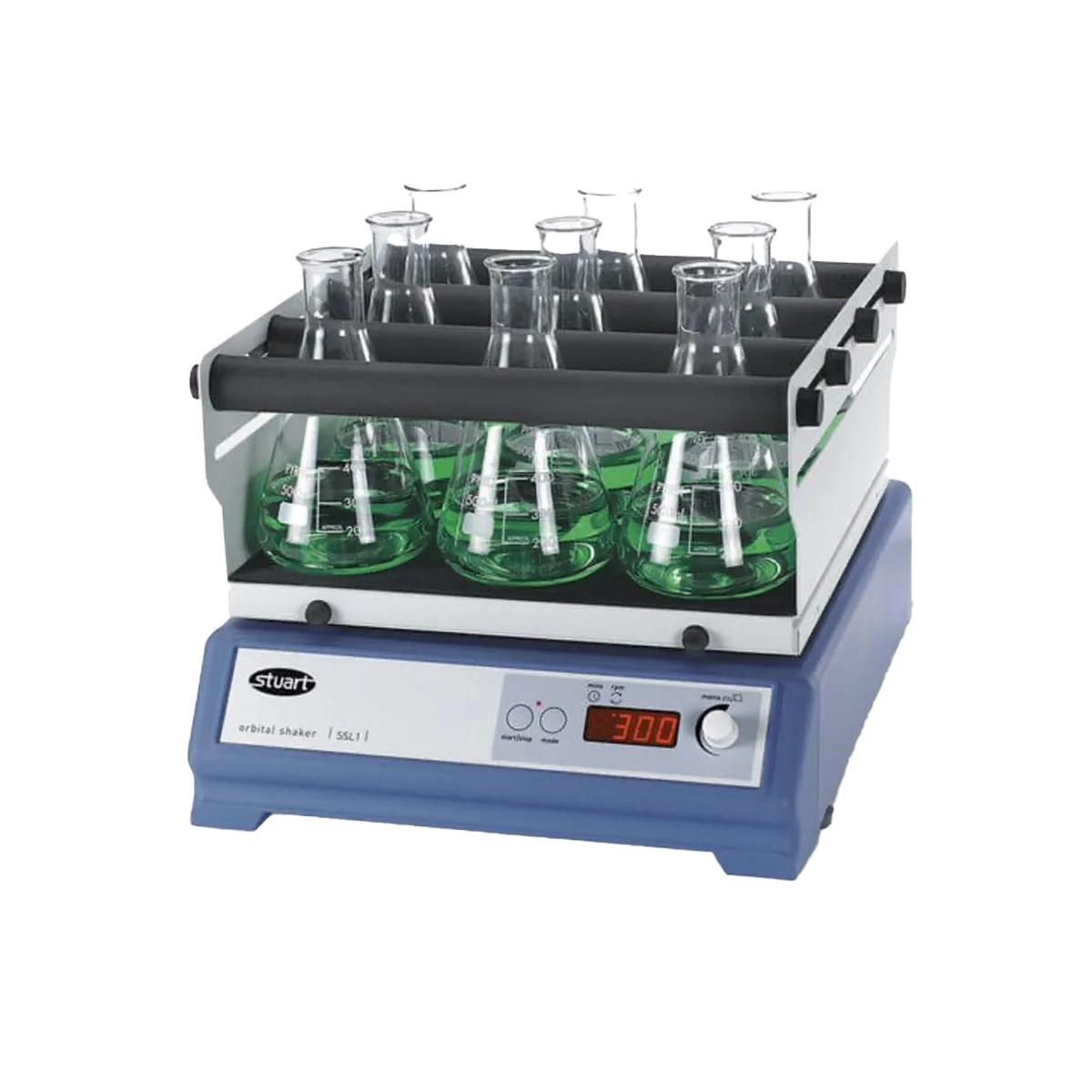 Linear Çalkalayıcı
 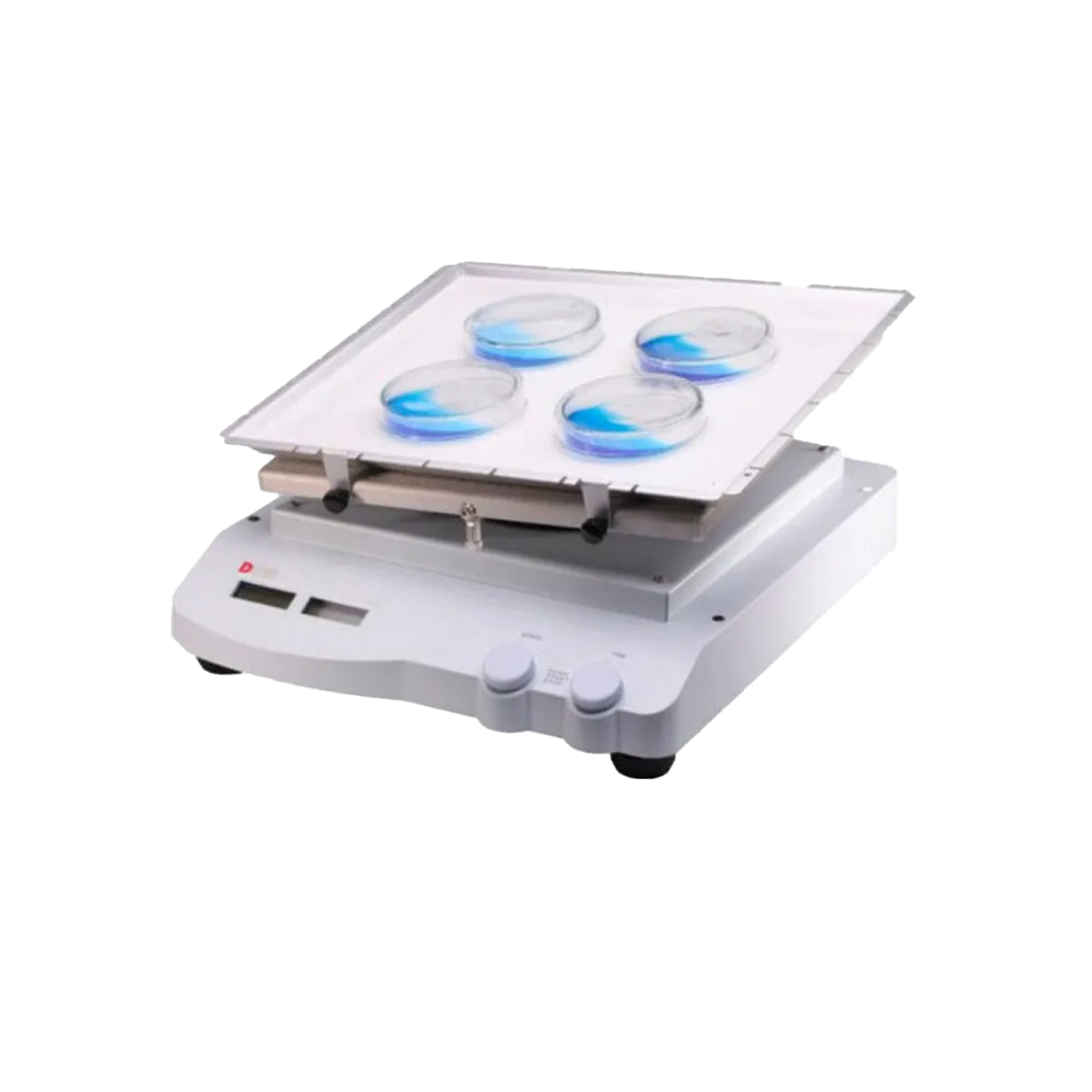 Orbital Çalkalayıcı
 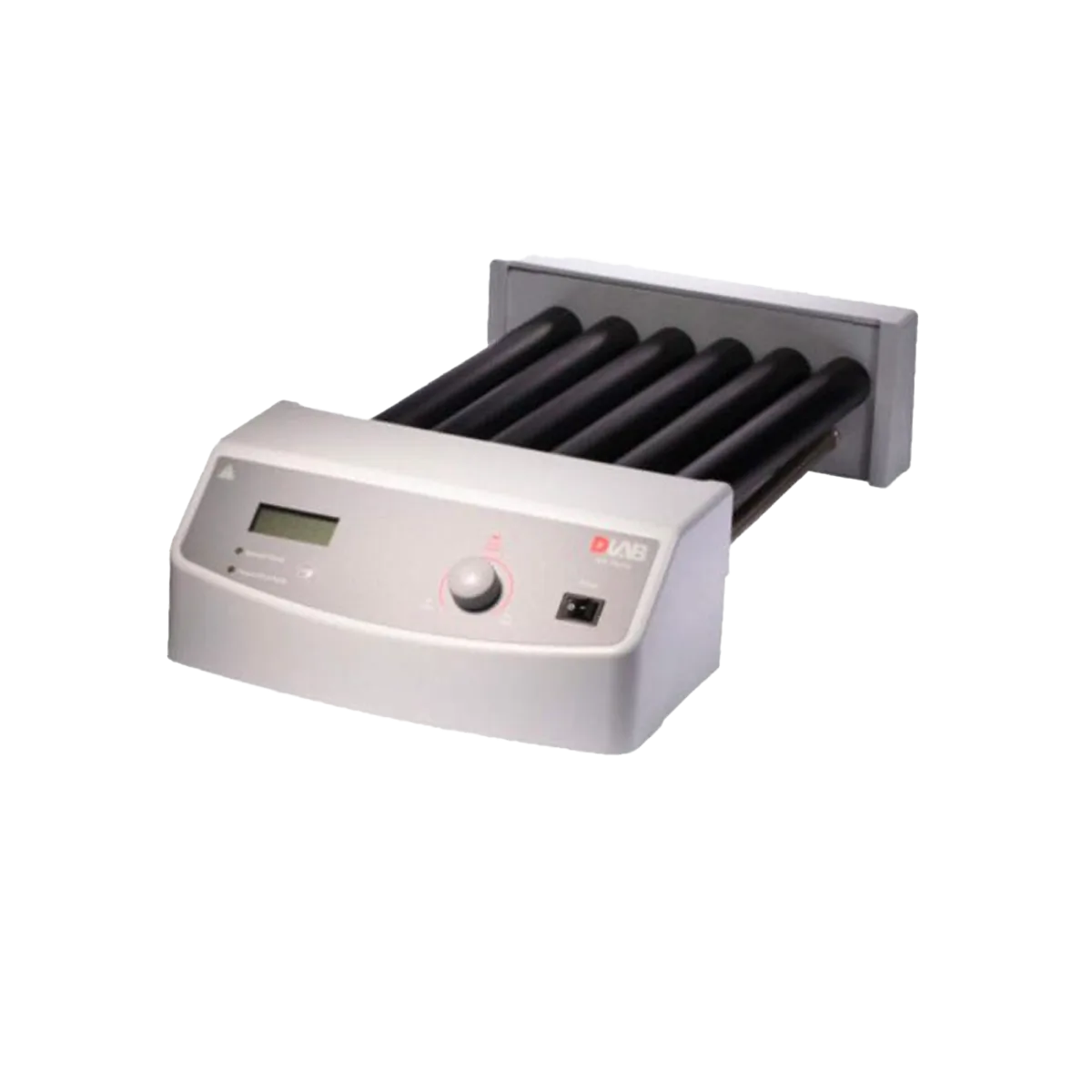 Tüp Çalkalayıcı
 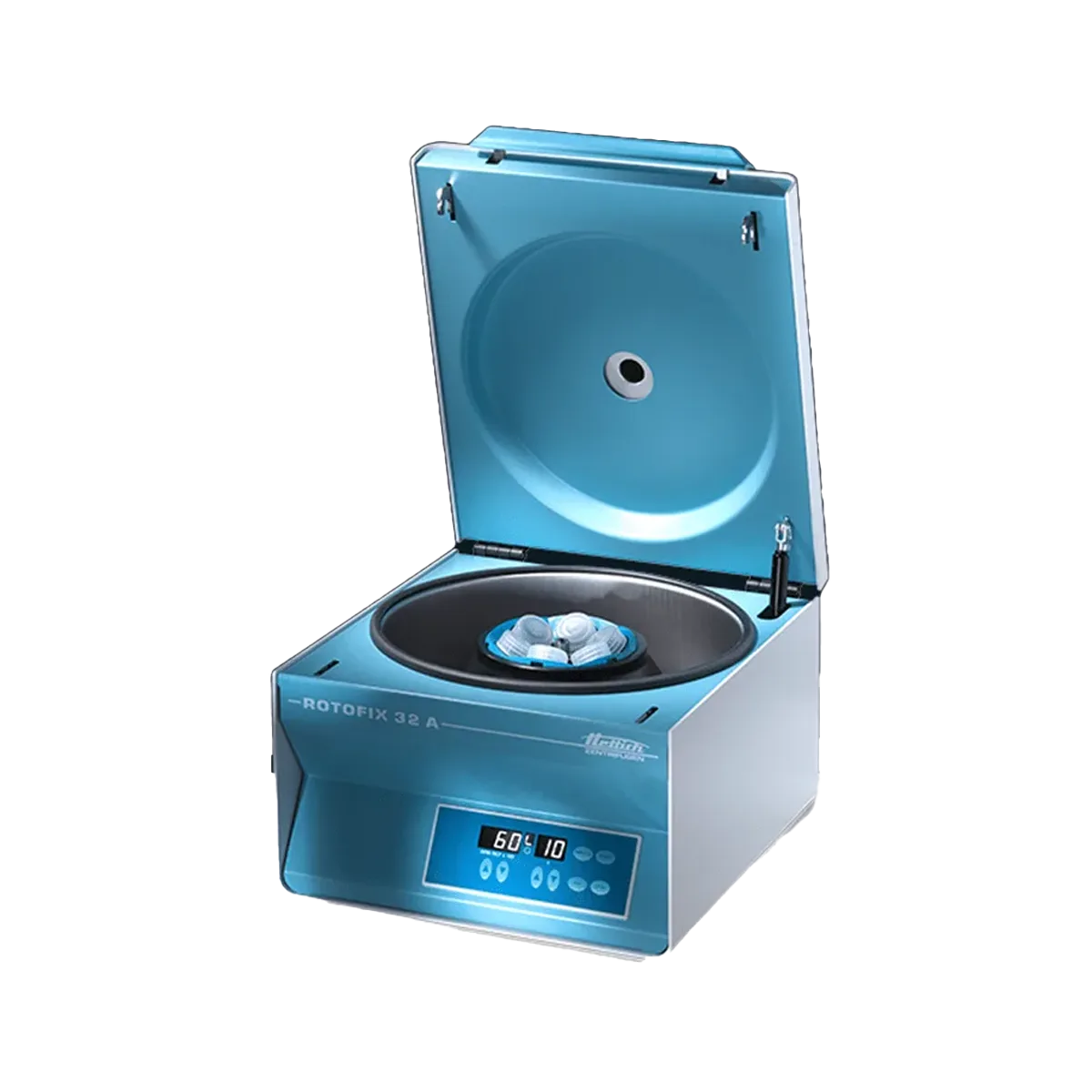 Santrifüj Cihazları
 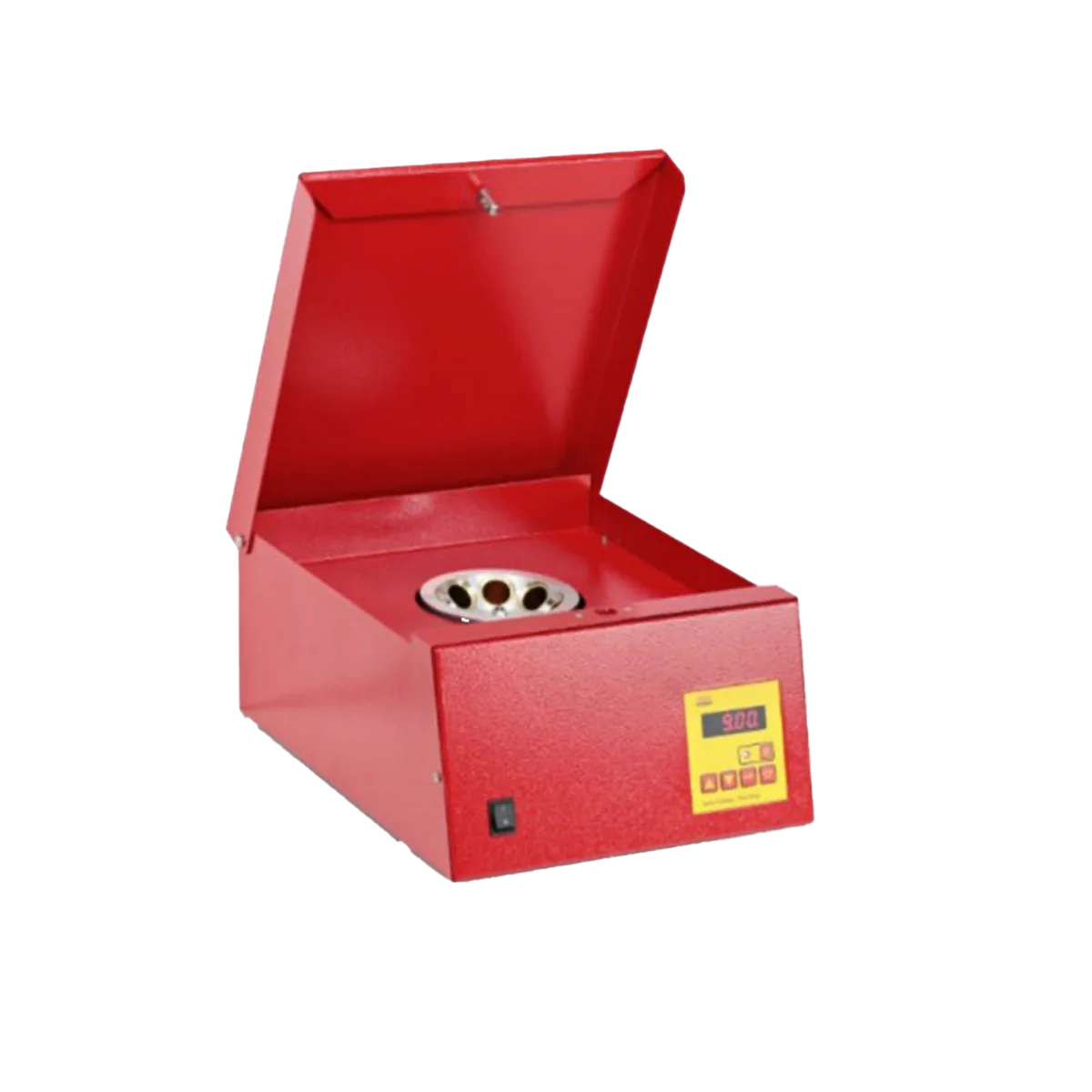 Gerber Santrifüj
  Pipet uçları
  Otomatik Büret
  Sirkülatör
  Diyafram Pompası
 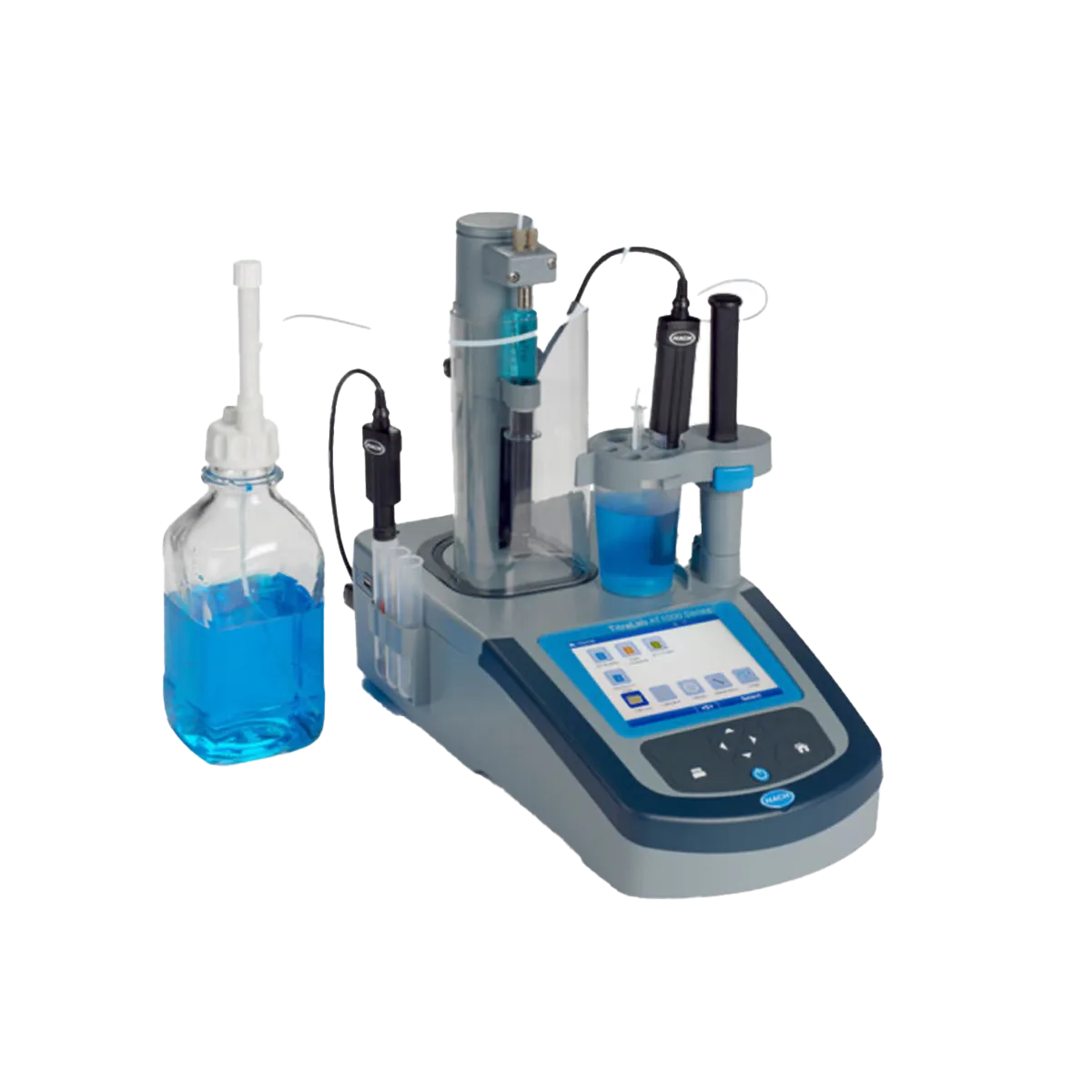 Otomatik Titratörler
 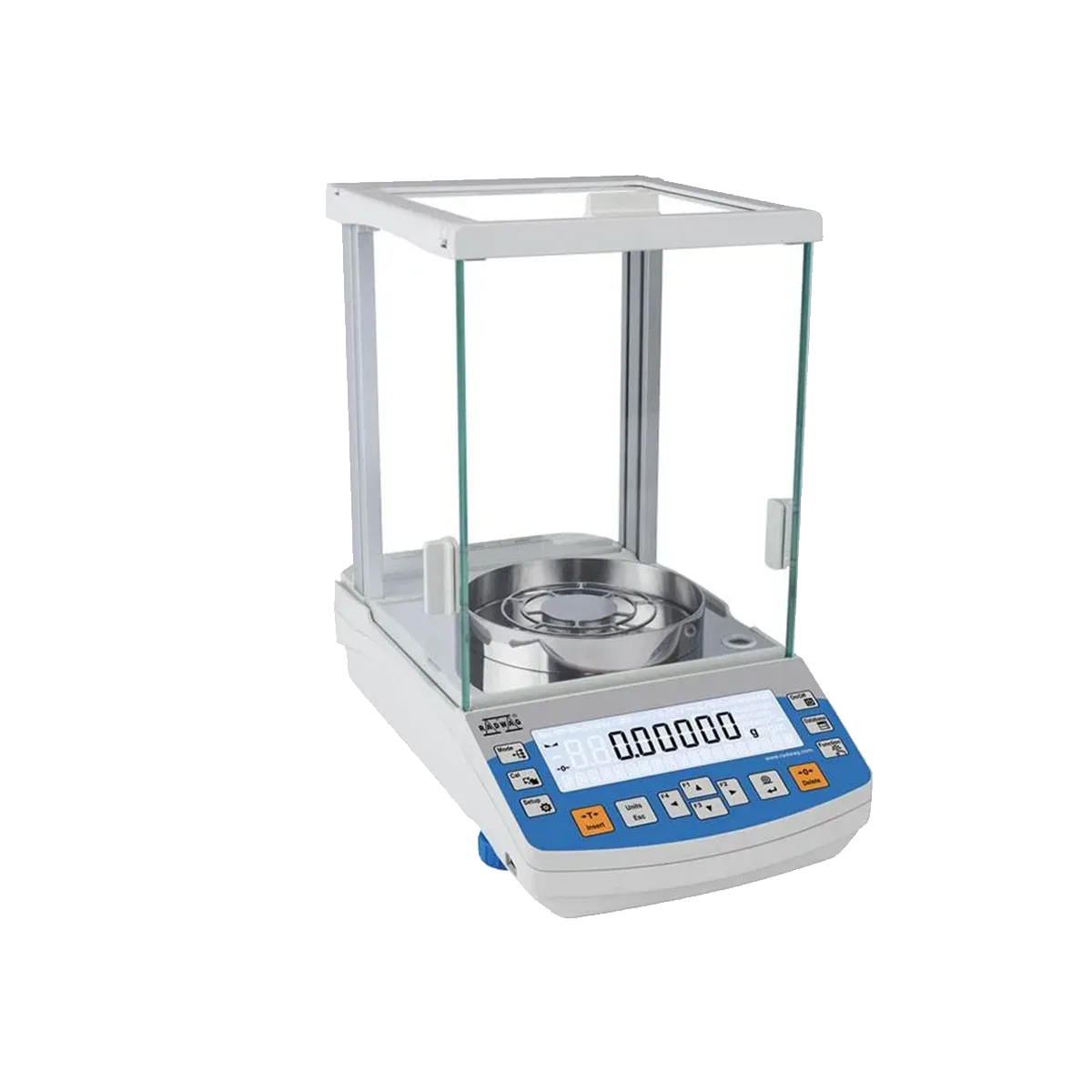 Analitik Teraziler
 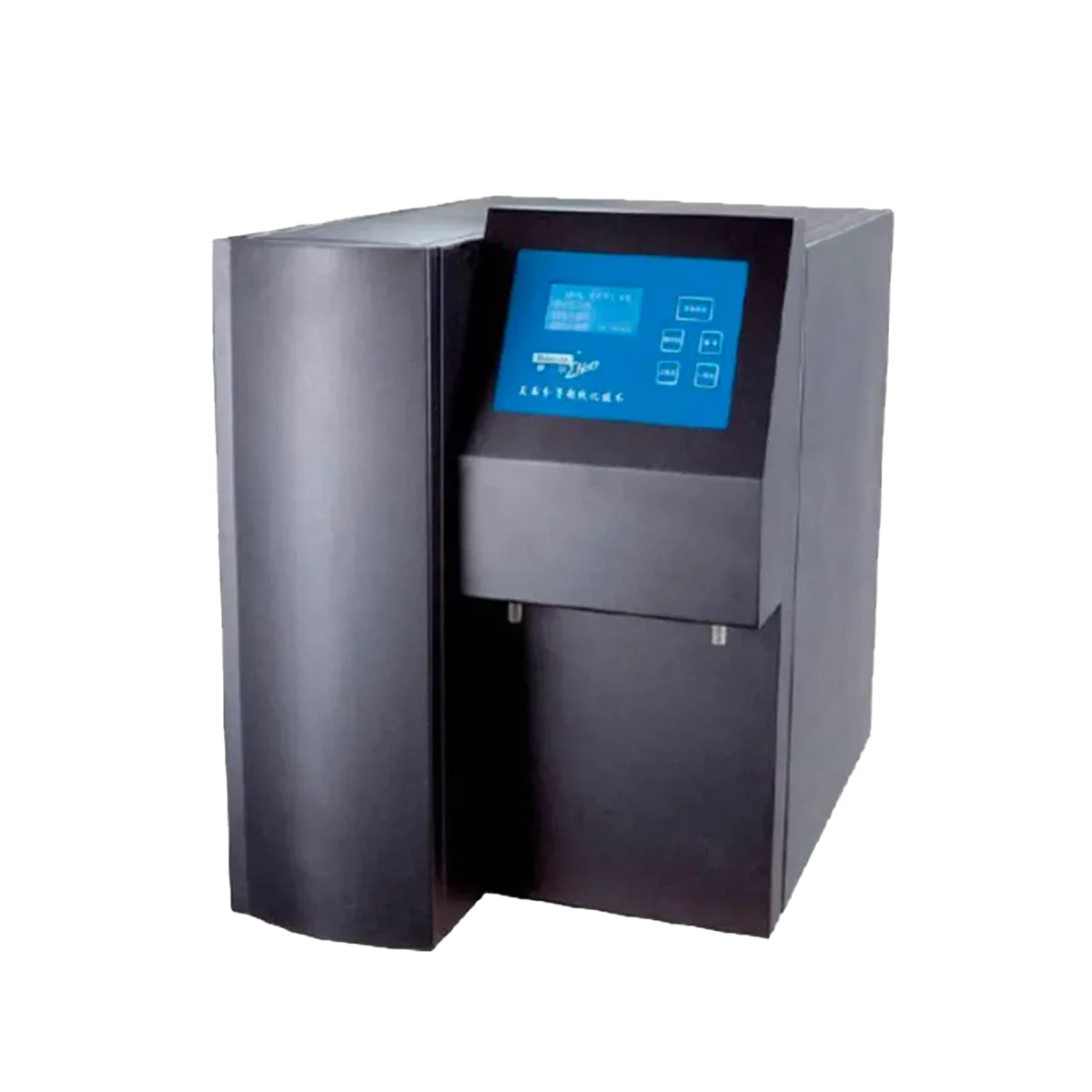 Distile - Deiyonize - Saf Su Cihazları
 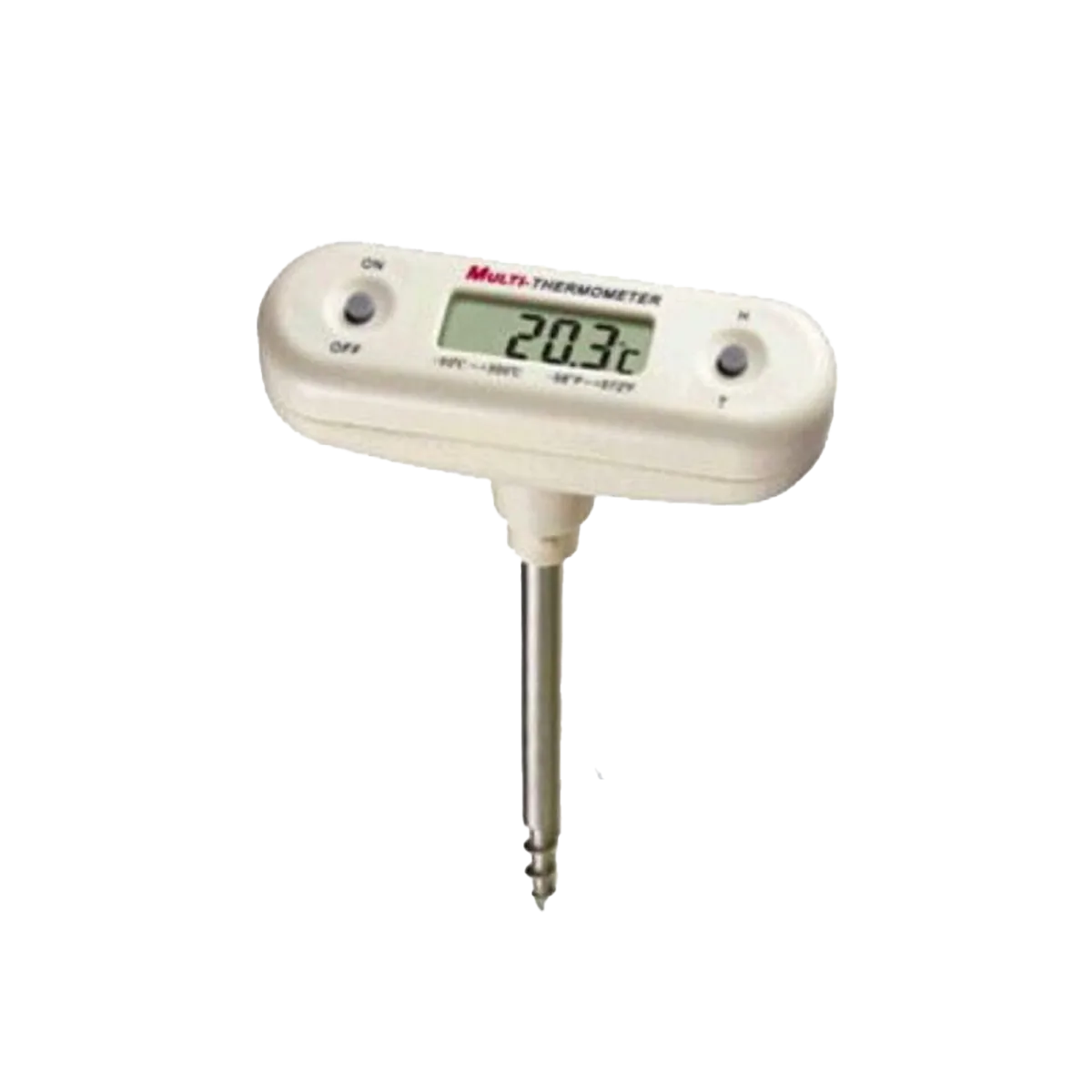 Termometreler
  Nem Ölçerler
  Gürültü Ölçerler
  Işık Şiddeti Ölçerler – Luxmetre
  Hava Hızı – Anemometre
 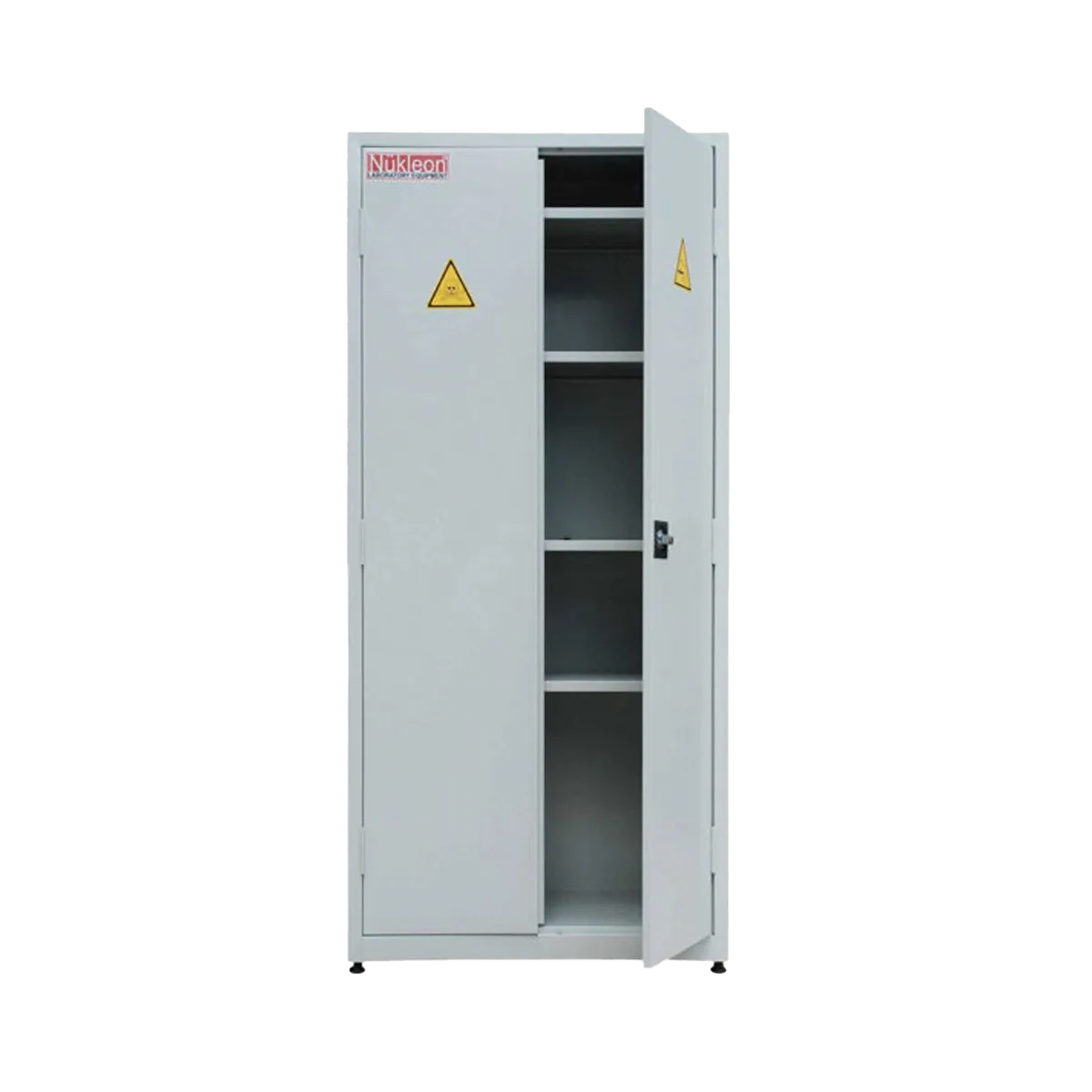 Kimyasal Saklama Dolabı
 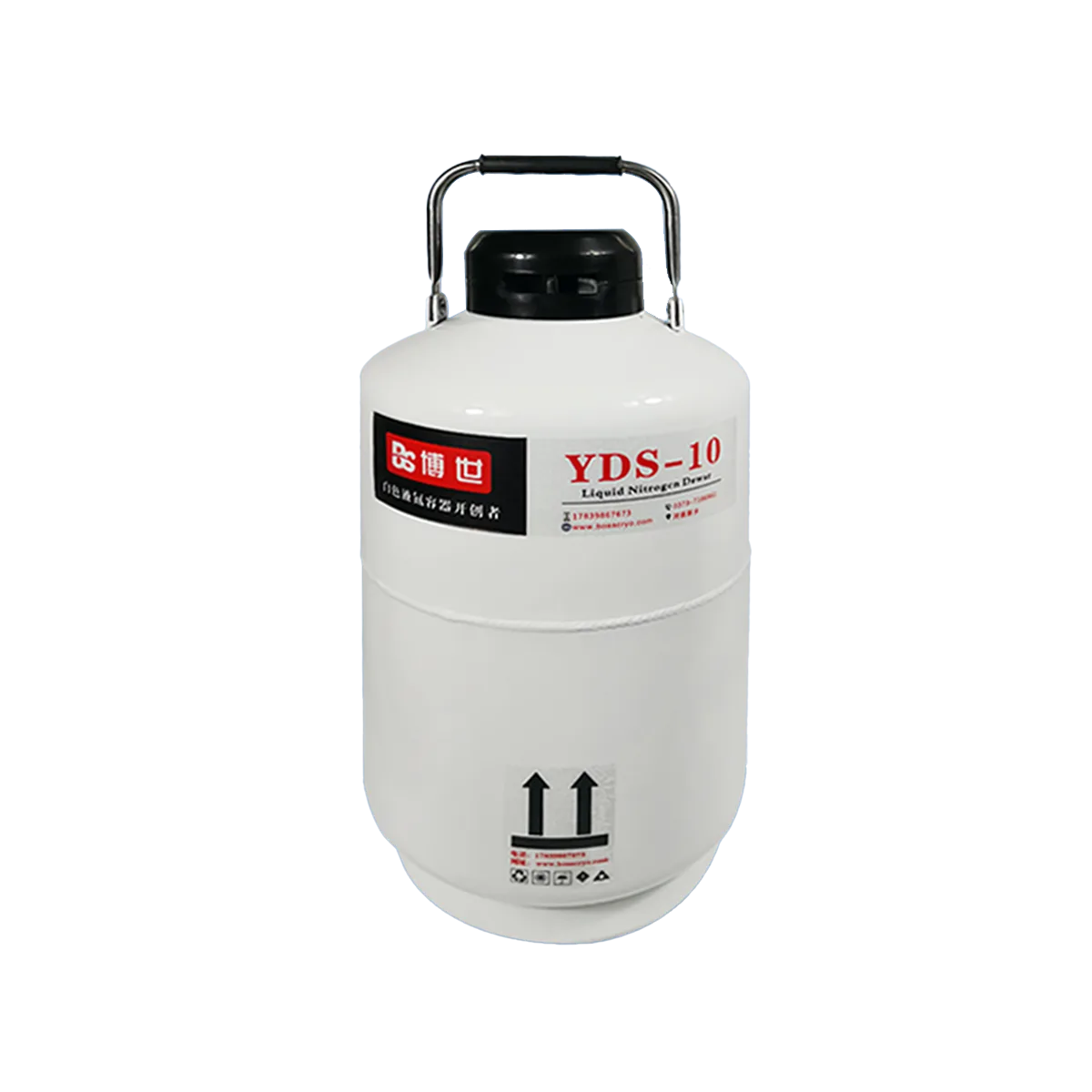 Sıvı Azot Saklama Tankı
 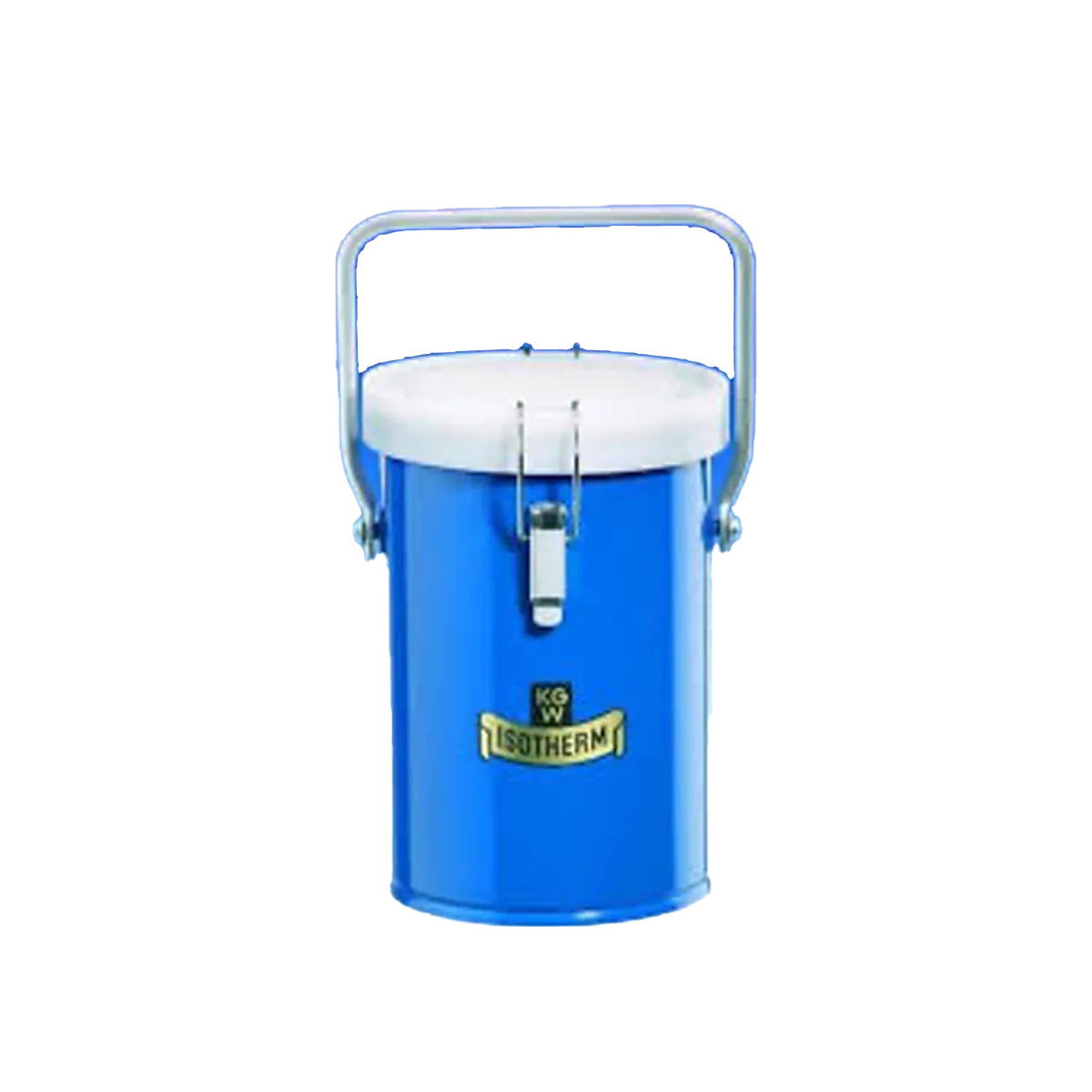 Dewar Kapları
 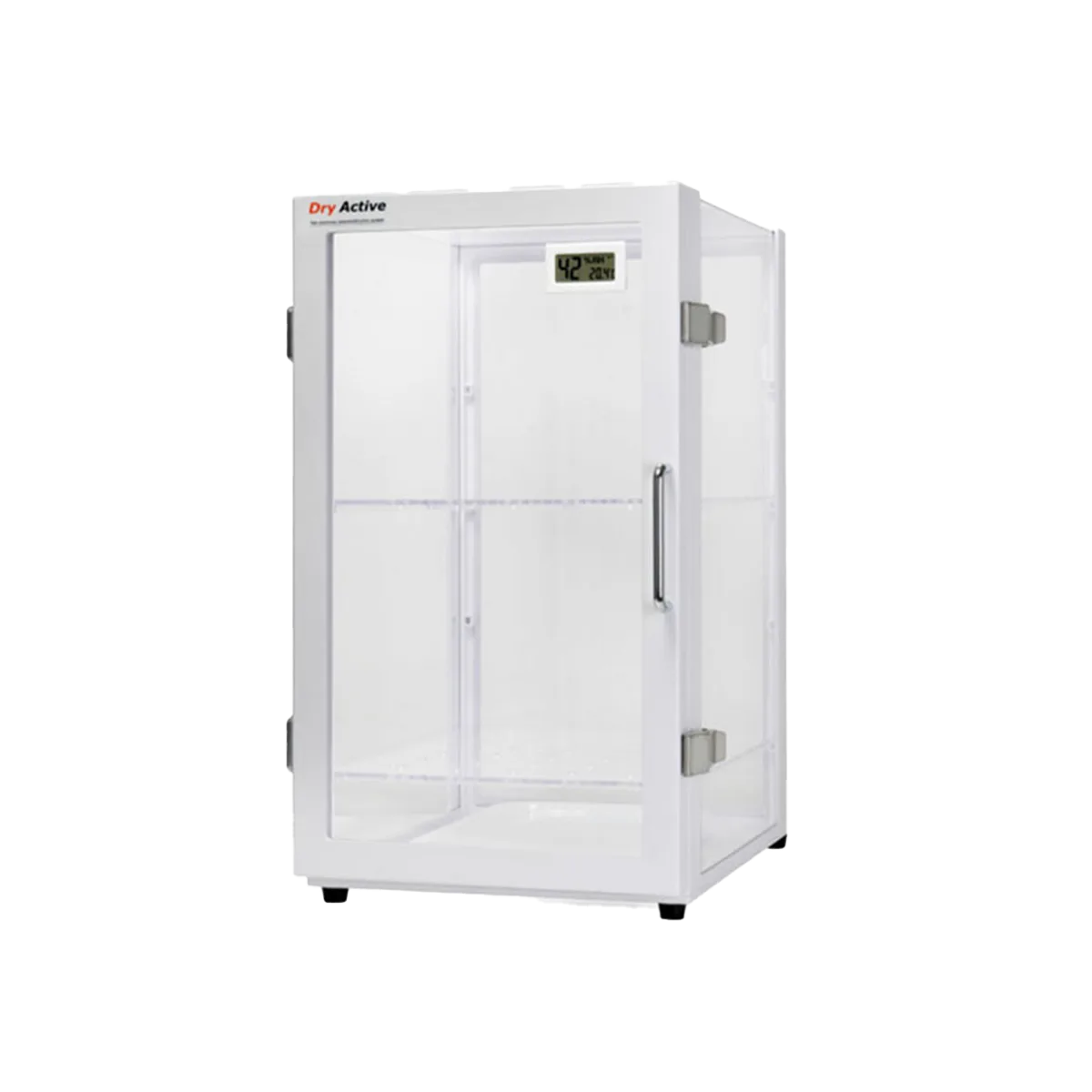 Desikatör Kabinleri
 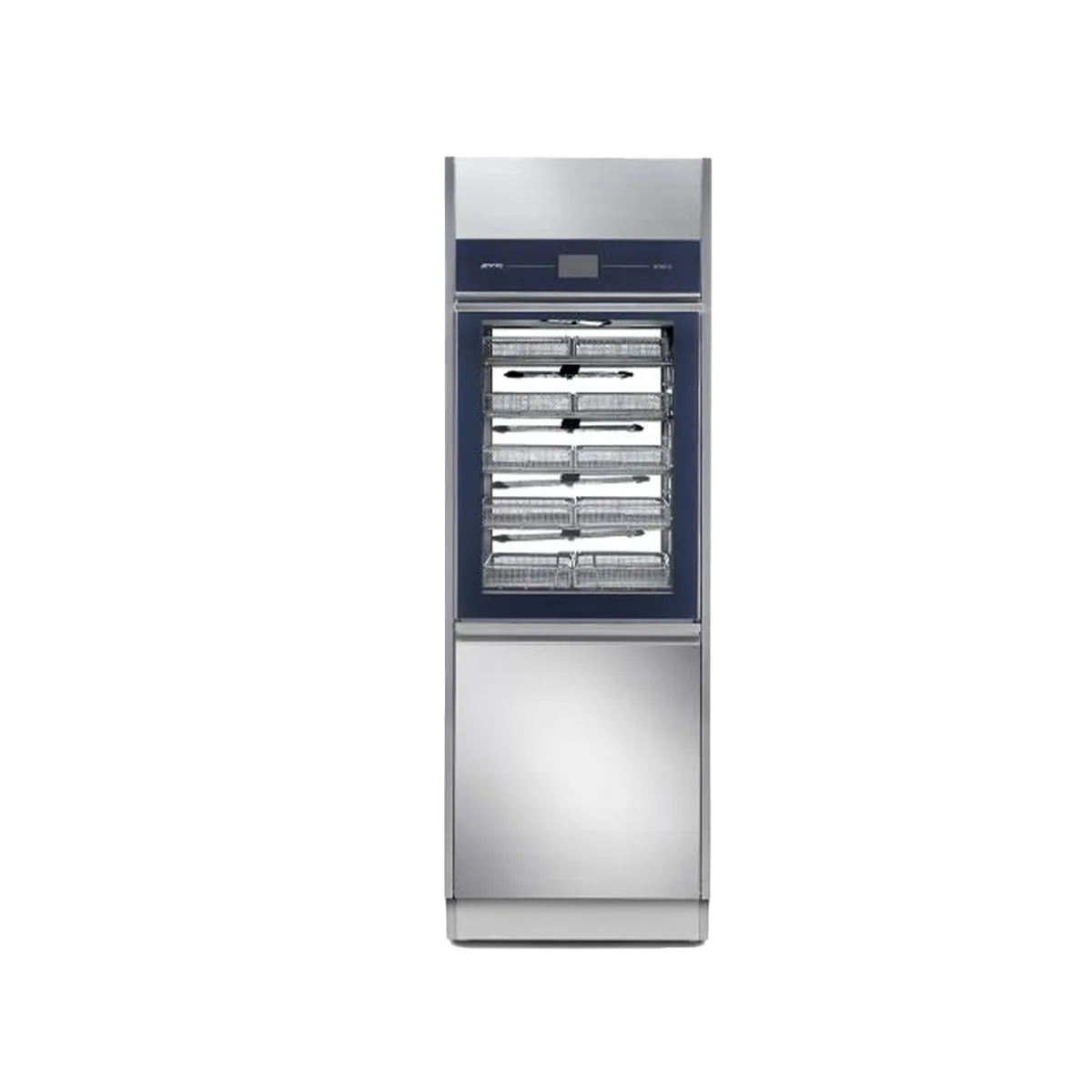 Laboratuvar Tipi Yıkama Cihazları
 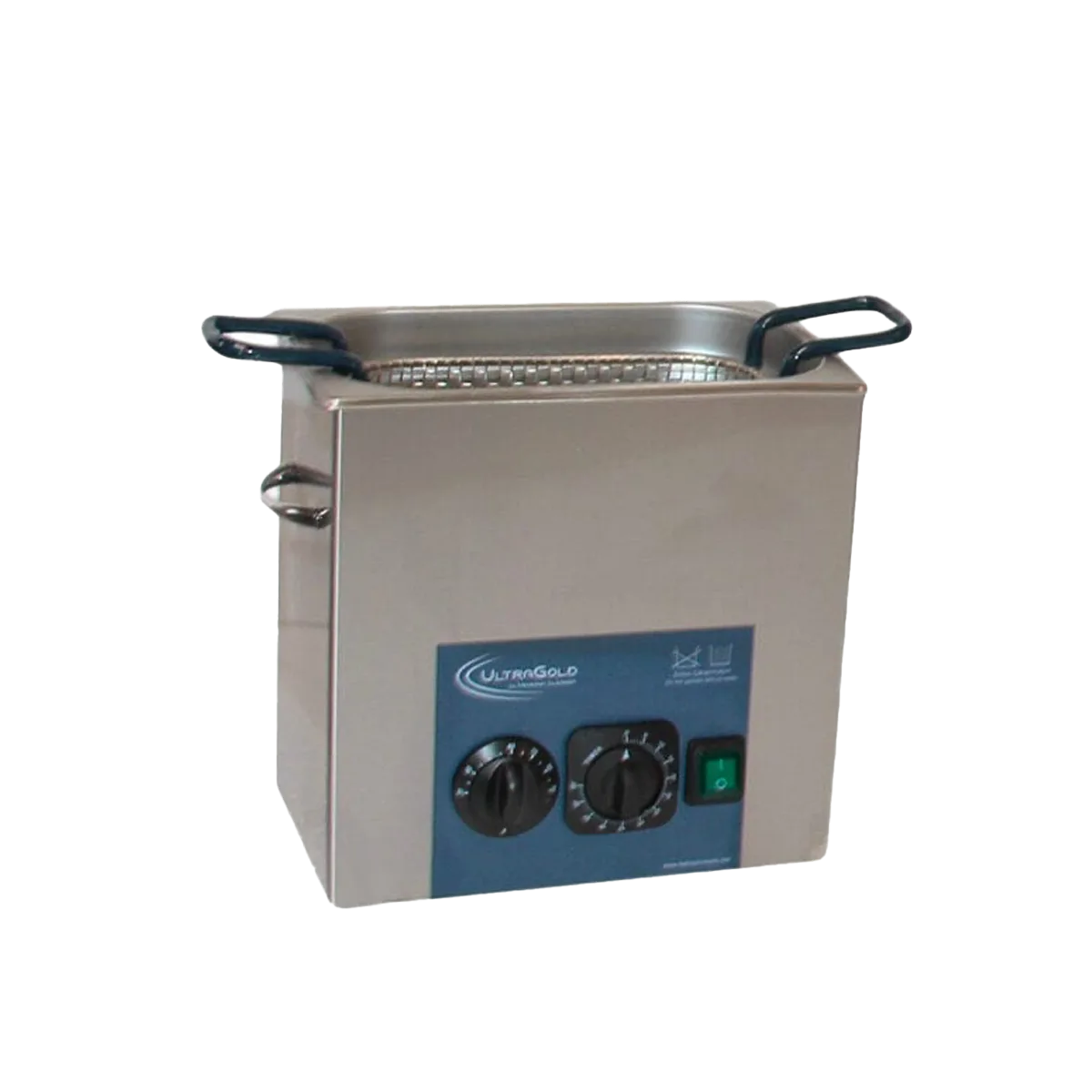 Ultrasonik Banyo
 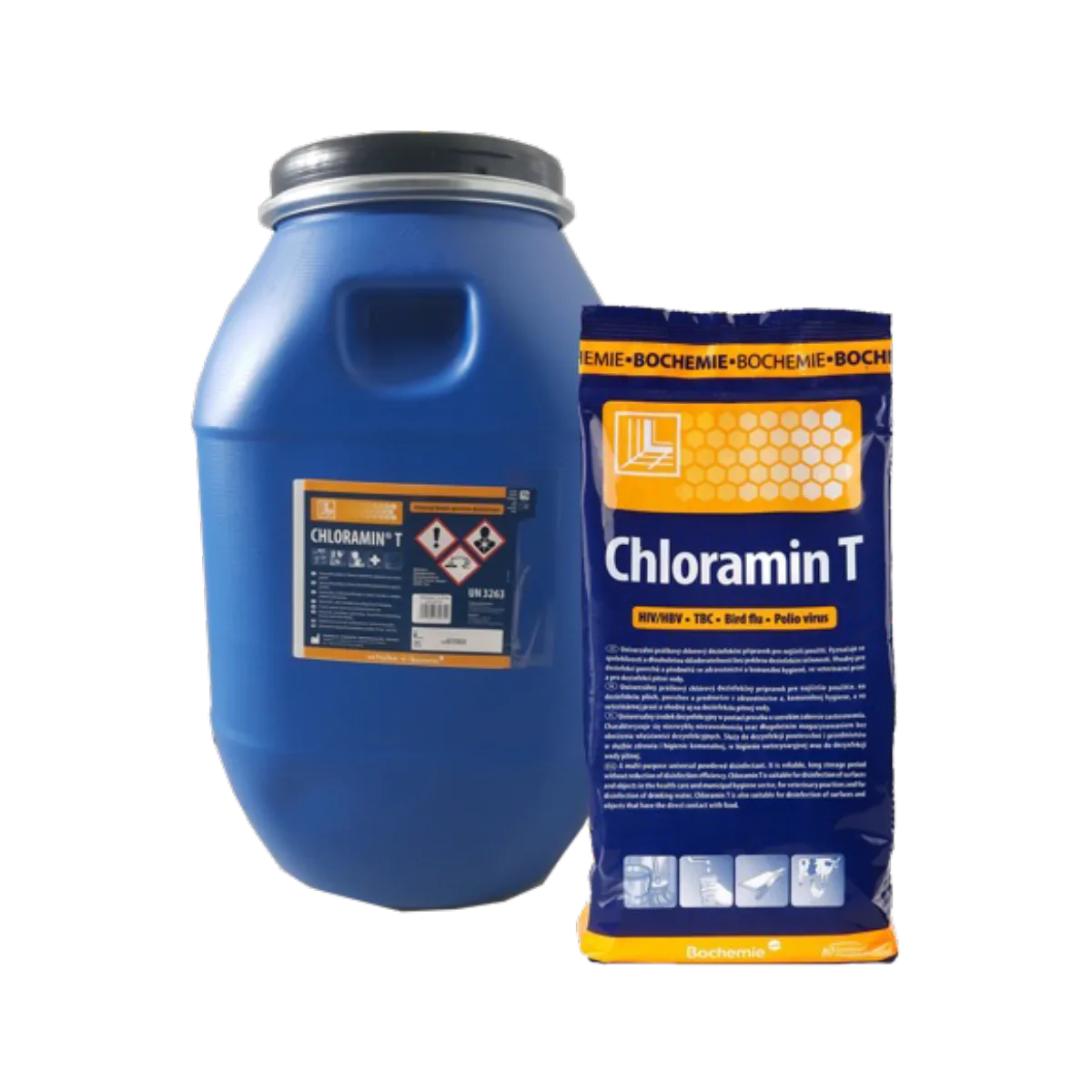 Dezenfektanlar
  Test Ölçü Ve Kontrol Sistemleri